
Massaria disease
Massaria
The causative agent of this disease is the fungus Splanchnonema platani (also known as Massaria platani), a member of the Ascomycota division.
What the section contains
Massaria disease
This pathogen specifically targets plane trees (Platanus species), acting as a parasite that exploits the tree's vascular and cortical tissues.
The fungus colonizes the bark and cambium layers, spreading through the inner wood and causing localized tissue death.
Spore production occurs under the bark, and these spores are primarily dispersed by rain splash and wind, settling on wounds or bark crevices.
Once established, the fungal mycelium can persist within the branches, creating a permanent reservoir for the disease in mature tree populations.
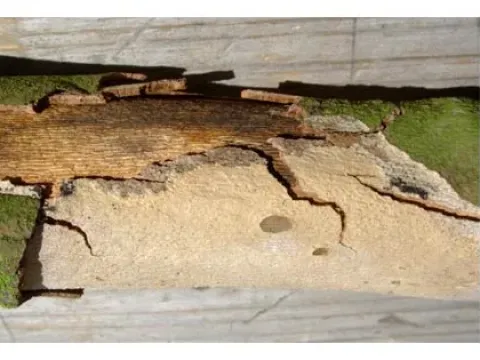
The most distinctive symptom is the appearance of elongated, discolored, necrotic lesions on the upper surfaces of large branches.
The bark in the affected areas becomes loose and takes on a dark, reddish-brown or black color, often detaching from the wood.
Black, powdery masses of fungal spores appear as small pustules under the outer bark, indicating the reproductive phase of the pathogen.
A major diagnostic sign is the sudden dieback of branches, which can become brittle and fracture even in calm weather conditions.
The leaves on infected branches may show signs of yellowing, chlorosis, and premature senescence before the branch eventually dies.
Massaria disease thrives in environments characterized by high humidity and moderate temperatures, which are optimal for spore germination.
Urban plane trees are particularly susceptible due to environmental stresses such as soil compaction, drought, and air pollution.
Poor pruning practices that leave large, untreated wounds significantly facilitate the entry of the fungus into the tree's circulatory system.
The density of planting in urban alleys can exacerbate the spread of the pathogen, as branches of adjacent trees often come into contact.
Trees that have been weakened by secondary pests or physical damage show a significantly higher rate of infection compared to healthy, vigorous trees.
The primary concern regarding Massaria is the risk of falling branches, which poses a significant safety hazard in populated urban areas.
The fungus causes rapid decay of branch wood, making even seemingly healthy branches structurally unstable and prone to snapping.
If left untreated, the disease spreads throughout the crown, eventually leading to the death of the entire tree and the need for removal.
The economic impact involves the costs of arborist consultations, specialized pruning, and the potential replacement of large, mature specimens.
The degradation of urban greenery negatively affects the aesthetic and environmental benefits provided by plane trees in city landscapes.
Effective management begins with rigorous monitoring of tree crowns to identify early signs of branch dieback and bark lesions.
Sanitary pruning is the most critical intervention, requiring the removal of all infected branches to reduce the inoculum load.
All pruning tools must be thoroughly disinfected after working on each tree to prevent cross-contamination between healthy and infected plants.
Maintaining tree vigor through proper irrigation and soil care can help trees better resist the initial establishment of the fungal infection.
Public safety measures, including cordoning off areas under heavily infested trees, are necessary until proper remedial pruning is completed.