
Massarinaceae
Massarinaceae
Description
Symptoms
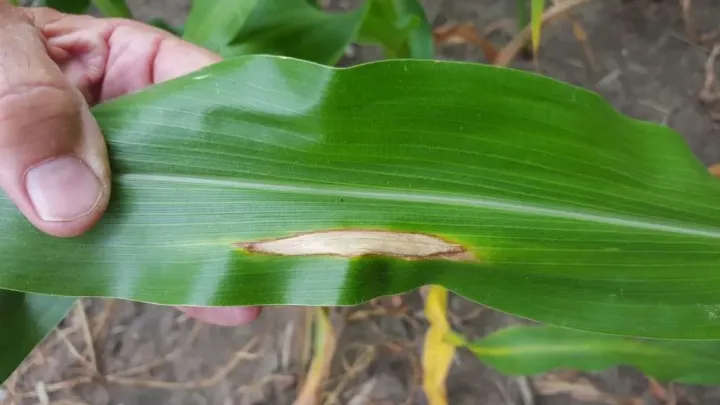
Symptoms often begin as small, chlorotic spots that gradually expand, becoming necrotic with brown or black centers surrounded by a distinct edge.
As the disease progresses, necrotic areas may merge, leading to premature drying of leaves, shoot dieback, and general weakness of the affected plant part.
Small black fruiting bodies (pseudothecia) of the fungus often become visible to the naked eye on the surface of withered leaves or dead stems as the pathogen matures.
Plants affected by Massarinaceae typically show signs of stunted growth, and in severe cases, the entire plant may experience premature senescence and foliage drop.
- Development of necrotic spots with darker margins
- Formation of minute black fruiting bodies on dead tissues
- Premature leaf abscission and stem necrosis
- Reduced vigor and stunted overall plant development
Pathogen
Massarinaceae is a family of fungi within the class Dothideomycetes. These fungi often act as saprotrophs but can exhibit parasitic behavior, causing necrotic diseases in various agricultural and horticultural crops.
The pathogens produce pseudothecia as their fruiting bodies. A diagnostic characteristic of this family is the presence of pseudoparaphyses between the asci, which distinguishes them from related groups.
The life cycle involves the production of ascospores that are dispersed primarily by wind and rain splashes during moist weather conditions, allowing for rapid colonization of host plants.
The fungus typically overwinters on debris from the previous season, such as fallen leaves, stems, or woody tissues, which serve as the primary source of infection in the spring.
Infection occurs when spores land on susceptible plant tissues, germinating and penetrating the plant surface to establish a feeding relationship that eventually damages host cells.
Conditions for development
The development of diseases associated with Massarinaceae is strongly favored by high humidity, prolonged rainfall, and moderate temperatures typical of spring and autumn.
Lack of proper aeration in dense plantings or poorly pruned crops creates a microclimate with high moisture, which is ideal for fungal spore germination and infection.
Poor plant hygiene, such as leaving infected crop residue in the field, creates a reservoir for the pathogen that ensures recurring infections in subsequent seasons.
Plant stress resulting from improper irrigation, nutrient imbalances, or mechanical damage significantly increases the host's susceptibility to fungal attack.
The presence of water films on plant surfaces for extended periods facilitates the movement of fungal spores and their successful entry into the plant tissues.
Why it matters
The economic impact of Massarinaceae is primarily associated with yield reduction, as the disease directly impairs the photosynthetic capacity of the plant.
By causing tissue necrosis, the fungus reduces the plant's ability to store energy, leading to lower fruit quality, reduced size, and susceptibility to other biotic stressors.
In perennial crops, chronic infection can lead to the death of individual branches, eventually weakening the plant's structure and reducing its productive lifespan.
For some crops, the damage to young shoots and leaves can result in significant aesthetic loss and reduced marketability of the produce.
The cost of managing these diseases through intensive fungicide programs adds a significant financial burden to the overall production cycle of susceptible crops.
Protection
Effective management begins with sanitation: the removal and destruction of infected plant material to minimize the primary inoculum load in the field.
Implementing a proper crop rotation strategy helps break the infection cycle, preventing the pathogen from building up in the soil or local environment.
Application of fungicides, when timed correctly during periods of high disease pressure, is essential to protect healthy foliage from new infections.
Maintaining optimal plant density and ensuring proper pruning improves airflow, which helps keep plant surfaces dry and limits the pathogen's ability to thrive.
Choosing resistant or tolerant varieties remains one of the most sustainable and efficient long-term approaches to mitigate losses from these fungal pathogens.
Discussion
No discussions yet — be the first.