
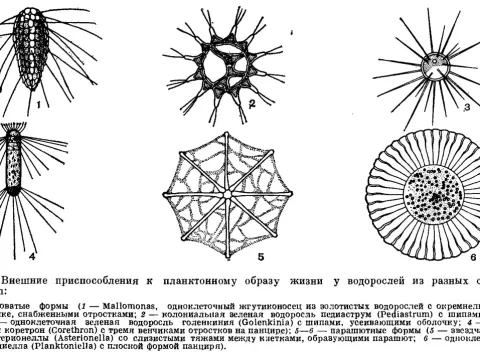
Mallomonas
Mallomonas
Mallomonas is a genus of silica-scaled chrysophyte algae commonly found in freshwater ecosystems. These unicellular organisms are characterized by their motility, provided by flagella, and their unique cell covering made of siliceous plates.
What the section contains
Mallomonas
In agronomy, Mallomonas is not regarded as a plant pathogen that infects crops, but as a significant biological factor that influences the quality of water used for agricultural irrigation.
The biology of Mallomonas is linked to complex life cycles, including the formation of resting cysts. This survival strategy allows them to endure periods of environmental stress, such as low nutrient levels or temperature shifts.
As photoautotrophs, these algae utilize solar energy for growth. However, many species are mixotrophic, meaning they can supplement their nutrition by ingesting organic matter present in the water, which often increases in runoff areas.
Their presence is a natural indicator of water body conditions, reflecting the nutrient balance and chemical status of the water source utilized for agricultural purposes.
The rapid growth of Mallomonas, often described as an algal bloom, is primarily triggered by eutrophication. High concentrations of nitrates and phosphates, originating from fertilizers used in fields, create ideal conditions for population explosions.
Temperature plays a crucial role in their development. Mallomonas species typically thrive during cooler to moderate seasons, specifically in spring and autumn, where they can outcompete other phytoplankton species.
Water pH levels significantly influence their growth dynamics. Different species have specific preferences, but they generally excel in slightly acidic to neutral water environments found in many freshwater reservoirs.
High light availability in the water column is essential for these organisms. In clear, standing water, they can rapidly multiply, increasing the turbidity and organic content of the water supply.
Low current flow, typical of irrigation storage ponds, provides the stability required for Mallomonas to settle and form dense colonies that are difficult to manage without proper treatment.
The main agricultural concern with Mallomonas is the physical obstruction of irrigation infrastructure. The accumulation of algae and their silica scales can clog emitters, nozzles, and drip irrigation pipes, reducing system efficiency.
The abrasive nature of their silica plates can cause mechanical wear and tear on irrigation pumps and filtration equipment, leading to increased maintenance costs and potential hardware failure.
The mass die-off of these algal blooms consumes dissolved oxygen, creating anaerobic conditions. This results in the release of decomposition by-products that can negatively affect plant roots upon irrigation.
The visual and olfactory changes in water, characterized by unpleasant odors and colors, indicate potential imbalances that can compromise the overall water quality standard required for sensitive crops.
Biofilms formed by these algae inside distribution systems serve as a harbor for other opportunistic pathogens, which may exacerbate issues with plant health in protected and open field farming.
Prevention is the best approach, starting with the implementation of buffer zones around water reservoirs to reduce the runoff of nutrient-rich fertilizers from agricultural fields.
Mechanical filtration is a mandatory step in water management. The use of high-capacity media or screen filters is essential to remove algal cells before they reach the irrigation lines.
Covering irrigation ponds to reduce light penetration can significantly inhibit the photosynthetic growth of Mallomonas, effectively starving the population of energy required for reproduction.
Routine cleaning of tanks and pipes using sanitizing agents is necessary to break down any biofilms and prevent the accumulation of organic waste generated by algal cycles.
In cases of severe infestation, the application of approved algaecides can be used to control populations, provided that the chemical concentrations are managed to ensure plant safety and environmental compliance.