
Macrophoma leaf spot
Macrophoma allahabadensis
Description
Symptoms
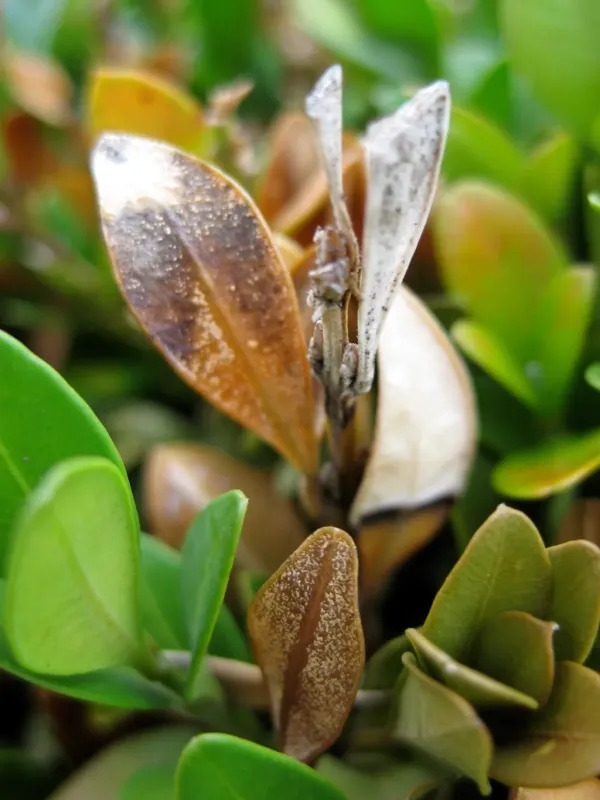
The primary symptom of the disease is the appearance of localized spots on leaves, stems, and fruits. These spots are typically circular or irregular in shape with dark, necrotic margins.
A key diagnostic feature of this condition is the development of tiny, black, pimple-like structures within the necrotic centers of the lesions, representing the fungal pycnidia.
Stem infections can lead to longitudinal cracking or splitting of the tissue, which severely compromises the plant's vascular system and can lead to the wilting of branches.
Leaves affected by the fungus tend to yellow prematurely and drop, which drastically reduces the photosynthetic capacity of the plant and limits overall fruit development.
Infected fruits exhibit signs of dry rot, which can spread progressively, rendering the produce unmarketable and susceptible to invasion by secondary decay organisms.
Pathogen
The causative agent of the disease is the fungus Macrophoma allahabadensis. This micromycete belongs to the group of Deuteromycetes and is capable of infecting various types of host plants.
The life cycle of the pathogen involves the production of pycnidia, which are specialized fungal structures that develop within the host tissue to release conidia, facilitating the spread of the infection.
The fungus is highly resilient and capable of overwintering on infected plant debris, in the soil, and occasionally on the surface of seeds, ensuring its survival across seasons.
Dissemination typically occurs through water splashes during rainfall or irrigation, while wind currents can carry the spores over longer distances, leading to secondary outbreaks.
The pathogen enters the plant through natural openings like stomata or through existing wounds on the leaves, stems, or fruits, making it a persistent threat in various agricultural systems.
Conditions for development
High humidity and moderate temperatures are the most critical factors favoring the development and rapid colonization of Macrophoma allahabadensis on host plants.
Planting densities that limit air circulation exacerbate the risk of infection, as a humid microclimate persists within the canopy, allowing fungal spores to germinate easily.
Plants under physiological stress, due to nutrient imbalances or poor site conditions, show increased susceptibility to the disease compared to vigorous, well-managed plants.
Agricultural practices that leave crop residue on the soil surface provide an excellent reservoir for the fungus to persist, increasing the inoculum load for subsequent seasons.
Frequent rainfall events provide the necessary moisture for both the development of the fungus and the physical movement of spores between susceptible hosts.
Why it matters
The primary economic impact of this disease is the reduction in yield caused by early leaf senescence and poor canopy development, which lowers the overall harvest volume.
Fruit infection leads to significant direct losses, as the produce becomes disfigured and develops rot, making it unsuitable for long-term storage or consumer consumption.
In perennial orchards, chronic infection weakens the health of the trees, potentially leading to tree decline and requiring costly measures to replace infected blocks.
The presence of the pathogen also complicates post-harvest management, as infected material acts as a source of storage rots that can affect healthy produce during transport.
The need for frequent fungicide applications to control the disease increases production costs, thereby squeezing the profit margins for farmers and growers.
Protection
Cultural management is the first line of defense; practicing rigorous crop rotation prevents the pathogen from building up in the soil and successfully infecting new crops.
Deep plowing after harvest is essential to bury infected plant residues, which speeds up the decomposition process and eliminates the primary inoculum sources.
Chemical control using systemic and contact fungicides should be implemented during peak periods of high humidity or when early symptoms of the disease are first observed.
- Regular pruning and destruction of infected plant parts.
- Using only certified, disease-free seeds or planting material.
- Maintaining proper spacing to ensure adequate light and airflow.
- Balanced fertilization to promote plant vigor and resistance.
Monitoring programs are vital for early detection, allowing for targeted interventions that can halt the progression of the disease before it spreads throughout the field.
Discussion
No discussions yet — be the first.