
Kabatina needle blight
Kabatina juniperi
The disease is caused by the imperfect fungus Kabatina juniperi. This pathogen is a common threat to various juniper species, particularly affecting ornamental plantings and nursery stocks.
What the section contains
Kabatina needle blight
The fungus colonizes the plant tissues, specifically targeting the vascular system of young shoots. It can survive in infected plant debris, making it a persistent threat that carries over from season to season.
Reproduction occurs through the formation of conidia, which are easily disseminated by splashing rain and wind. This mechanism facilitates the rapid spread of the disease throughout a canopy or between neighboring plants.
Unlike many other pathogens, Kabatina is often opportunistic, frequently infecting plants that have been weakened by environmental stress or physical injuries. It thrives in the delicate tissues of the current year's growth.
The biological activity of this fungus is highly dependent on environmental conditions. It becomes most aggressive during the active growing season, when the moisture and temperature levels are optimal for spore germination.
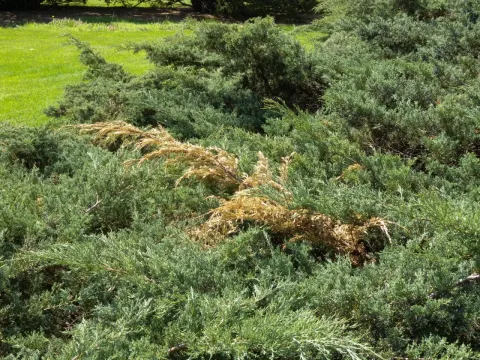
The first symptom is the yellowing and subsequent browning of the tips of young branches. These affected areas are clearly visible against the healthy green foliage in early spring.
A distinctive feature of the infection is the formation of a grey or brown lesion at the junction between healthy and dead tissue. This lesion acts as a girdle, effectively cutting off the supply of water and nutrients to the distal part of the shoot.
Small, black, pimple-like structures known as pycnidia can be observed on the surface of the dead shoots. These are the fruiting bodies of the fungus and typically appear as the disease progresses in late spring.
Over time, the needles on the blighted shoots turn brown and fall off, leaving the branches bare. This leads to a thin, unhealthy appearance of the juniper, significantly reducing its aesthetic appeal in landscape designs.
Proper identification is crucial, as symptoms can be confused with other diseases like Phomopsis blight. However, Kabatina typically affects new growth early in the season, whereas other blights may show different patterns of development.
High humidity and moderate temperatures are the primary requirements for the development of Kabatina needle blight. Prolonged rainy weather provides the perfect environment for spore production and distribution.
Plants that are stressed due to improper watering, nutrient deficiencies, or soil issues are significantly more susceptible to infection. A compromised plant lacks the vigor to resist fungal invasion.
Physical injuries, such as those caused by pruning, insects, or hail, serve as direct entry points for the fungus. Once the protective outer layer of the shoot is breached, the pathogen enters the plant tissue easily.
Poor air circulation within the plant canopy, often resulting from close spacing, creates a stagnant microclimate. This moisture trap is ideal for the fungus to establish itself and spread across the entire plant.
Locations with poor drainage or excessive shading can also contribute to the disease. The lack of direct sunlight means that foliage stays wet for longer periods, promoting the growth of fungal colonies.
The disease severely impacts the visual quality of junipers, which is a major concern for garden centers and landscape professionals. Browned and dying tips spoil the architectural structure of the plants.
Persistent infections lead to the cumulative loss of foliage and shoots. If left untreated, the plant may experience severe dieback, resulting in a stunted growth habit and a loss of natural beauty.
For nursery production, Kabatina blight represents a significant economic burden. Infected plants are unsellable, and the necessity for constant monitoring and treatment adds to the production costs.
Weakened plants are prone to secondary attacks by other pests and diseases. An infestation of Kabatina often precedes the colonization by bark beetles or other pathogens that exploit the already stressed host.
Long-term impact includes a reduction in the overall life expectancy and health of the juniper. Without proper intervention, the plant may reach a point of decline from which it cannot fully recover.
The most effective management practice is the sanitary pruning of all infected shoots. It is essential to cut back several inches into healthy tissue to ensure that all infected material is removed.
Disinfection of pruning tools between cuts is mandatory to prevent the transmission of spores to healthy parts of the plant. A solution of rubbing alcohol or household bleach is typically recommended.
Preventive application of copper-based fungicides can help protect plants from infection. Regular spraying during the early spring and periods of wet weather acts as a barrier against spore germination.
Improving cultural practices, such as proper spacing for air circulation and avoiding overhead irrigation, reduces the moisture levels on the foliage. This discourages the fungus from developing on the shoots.
All removed infected plant material should be burned or disposed of promptly away from the site. Never compost or leave debris under the plants, as this serves as a reservoir for the fungus to reinfect the garden in the next season.