
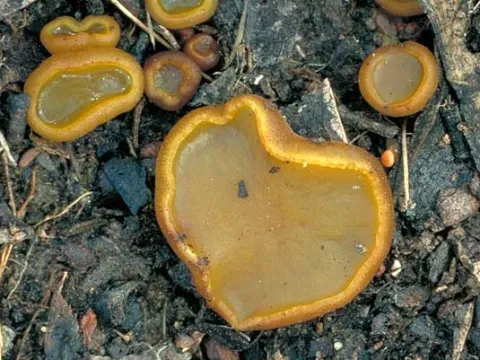
Jafneadelphus
Jafneadelphus
Jafneadelphus is a genus of fungi belonging to the Pezizales order. In agronomic practice, it is recognized as a specific pathogen capable of causing root and soil-borne infections in various crops.
What the section contains
Jafneadelphus
The causative agent belongs to the Pyronemataceae family, producing cup-shaped fruiting bodies known as apothecia. These structures typically emerge from soil or decomposing vegetable matter.
The disease is characterized as a soil-borne pathology. It primarily targets the root system, causing necrosis and interfering with the plant's nutrient and water uptake efficiency.
Biologically, the pathogen remains dormant in the soil for extended periods, utilizing mycelium or survival structures to withstand unfavorable environmental conditions.
Identification of this genus requires professional mycological expertise, as its morphology can be easily confused with other non-pathogenic soil fungi occurring in similar habitats.
Jafneadelphus development is highly dependent on high soil moisture levels and the presence of organic debris, which serves as a nutrient source for the fungal growth.
Poor soil aeration and compacted ground environments create optimal conditions for the colonization of plant roots by the fungal mycelium.
The spread of the pathogen is facilitated by water movement, rainfall, and the mechanical transfer of contaminated soil particles via agricultural machinery.
Increased density of fungal populations often occurs in fields where crop rotation practices are neglected, leading to an accumulation of organic matter that sustains the pathogen.
Cool, humid conditions during the early growth stages of plants significantly increase the risk of infection and the subsequent severity of the disease.
The harm caused by Jafneadelphus includes stunted growth, reduced yields, and impaired quality of harvested produce due to weakened root systems.
Infected plants exhibit symptoms such as chlorosis, wilting, and a visible reduction in overall vigor, which makes them more susceptible to secondary infections.
Massive outbreaks can lead to plant death in the seedling stage, resulting in reduced stand density and potential economic loss for the grower.
Continuous presence of the pathogen in the soil can deteriorate soil quality by altering the balance of essential microbial populations necessary for plant health.
- Root rot and necrosis.
- Reduced water and nutrient uptake.
- Early leaf senescence.
Effective control starts with proper crop rotation, which breaks the pathogen's life cycle by alternating host plants with non-host species.
Deep plowing and proper soil cultivation techniques help to bury the fruiting bodies and reduce the inoculum potential in the topsoil layer.
Improving field drainage is critical to prevent waterlogging, which is a key factor in the proliferation of soil-borne fungal diseases.
Using bio-fungicides or beneficial soil microorganisms can help establish natural competition against the pathogen, limiting its spread in the rhizosphere.
Cleaning and disinfecting farm equipment between fields is an essential practice to prevent cross-contamination and the spread of fungal spores across the farm.