
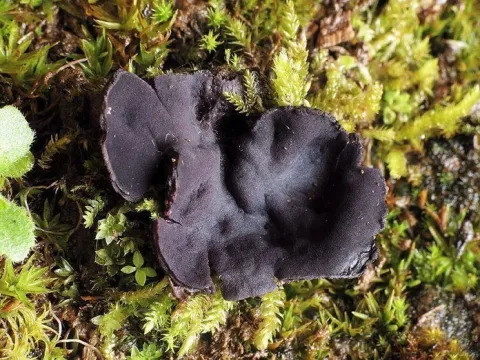
Jafneadelphus amethystinus
Jafneadelphus amethystinus
Jafneadelphus amethystinus is a species of ascomycete fungus belonging to the Pezizales order, which can act as an opportunistic pathogen in various agricultural environments.
What the section contains
Jafneadelphus amethystinus
The fungus is characterized by its distinct amethyst-colored apothecia, which emerge from the soil or decaying organic matter when environmental conditions are suitable.
It typically survives in the soil as a saprotroph, but can switch to a pathogenic mode when encountering weakened plant roots or stems under stress.
The pathogen utilizes specialized enzymes to break down plant cell wall components, which allows it to penetrate host tissues and impair physiological functions.
Scientific research indicates that this fungus is closely related to other soil-borne pathogens that thrive in moist, nutrient-rich environments.
The most visible symptom of Jafneadelphus amethystinus infection is the presence of small, violet-colored, cup-shaped fruiting bodies appearing on the soil surface.
Infected plants often display signs of stunted growth, yellowing of leaves, and wilting, which usually start from the lower part of the plant.
Root system inspection may reveal dark, softened tissues and signs of necrosis, indicating that the fungus has compromised the structural integrity of the plant.
During periods of high humidity, a thin, grayish or light violet mycelial mat might be observed surrounding the base of the infected stems.
Complete stem collapse is a common terminal symptom in highly susceptible plants when the pathogen successfully disrupts the vascular system.
High humidity and poor soil drainage are the primary environmental drivers that facilitate the development and spread of Jafneadelphus amethystinus.
The fungus thrives in temperate climates, showing peak activity during spring and autumn when soil moisture levels remain consistently elevated.
Dense crop stands that prevent proper air circulation at the soil level create microclimates that are ideal for the rapid proliferation of the fungal mycelium.
The accumulation of plant residues and organic mulch on the surface provides a continuous food source for the pathogen to maintain its population density.
Prolonged rainfall events that leave the soil saturated for extended periods significantly increase the risk of infection outbreaks within a field.
The primary agricultural impact of this fungus is the destruction of the root and stem tissues, leading to reduced nutrient uptake and plant mortality.
Infections often lead to stand thinning, which directly reduces the total crop yield and forces farmers to deal with significant economic losses.
Weakened plants are highly susceptible to secondary pathogens, making the management of the crop much more difficult and costly to control.
Continued presence of the fungus in the soil limits the viable crop options for future seasons unless effective soil remediation measures are taken.
The overall reduction in biomass and quality of harvested products makes this pathogen a concern for intensive horticultural and agricultural systems.
Crop rotation remains the most effective cultural practice to prevent the build-up of the pathogen in the soil over several growing seasons.
Deep plowing and the incorporation of crop residues into the soil help to reduce the surface inoculum potential and prevent fruiting body formation.
Improving field drainage systems is crucial to reduce excessive moisture and create an environment that is less conducive to the growth of this fungus.
Chemical control involving systemic fungicides applied to the soil or as seed treatments can protect vulnerable plants during the critical stages of growth.
Regular scouting of fields for early signs of apothecia allows for localized interventions, effectively stopping the spread of the disease to adjacent areas.