
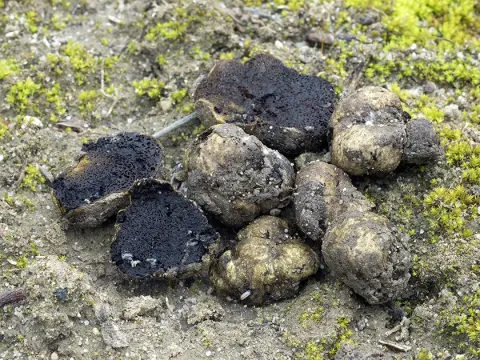
Hymenogaster citrinus
Hymenogaster citrinus
Hymenogaster citrinus is a species of fungus in the Hymenogastraceae family, known for its distinct yellow-colored mycelium and fruiting bodies found in soil layers.
What the section contains
Hymenogaster citrinus
While often acting as a mycorrhizal associate in forest ecosystems, it can manifest in managed landscapes under specific conditions as a potential pathogen.
The fungus spreads via spores that are easily transported by water runoff, contaminated tools, or infested planting material.
Biological activity is concentrated in the rhizosphere, where the fungus interacts with root exudates and decaying organic matter.
The life cycle involves the colonization of the substrate, followed by the formation of hypogeous fruiting bodies during periods of high humidity.
The primary symptom is the visible presence of bright yellow or lemon-colored mycelial strands on the soil surface or around the plant roots.
Plants affected by this fungus show signs of chlorosis, stunted growth, and general wilting, indicating impaired nutrient absorption.
The root system may exhibit discoloration or localized decay where the mycelial mass is most dense, leading to weakened plant vigor.
During wet seasons, small, round-shaped fruiting bodies may emerge from the ground, signaling a significant colony development in the soil.
There is often a noticeable reduction in the overall root density of young seedlings, contributing to their stunted development.
Optimal development for Hymenogaster citrinus occurs in poorly drained soils with consistently high moisture levels.
The fungus thrives in environments with an abundance of undecomposed organic matter, which provides the necessary nutrients for its mycelial expansion.
Poor soil aeration, caused by compaction or dense clay structures, creates an ideal anaerobic micro-environment for the fungus.
Moderate temperatures ranging from 15 to 22 degrees Celsius significantly accelerate the metabolic processes of this fungal species.
Soil with a slightly acidic pH level often supports the colonization of Hymenogaster citrinus more effectively than alkaline soils.
The main damage is caused by the interference with the root system's ability to uptake water and essential mineral nutrients from the soil.
Metabolic byproducts of the fungus may alter the chemical balance of the rhizosphere, negatively affecting the beneficial symbiotic microorganisms.
Long-term infestation leads to chronic stress in plants, making them susceptible to secondary infections by other opportunistic pathogens.
In nursery settings, this fungus can contribute to increased mortality rates among young seedlings due to root disruption.
Plants lose their resilience to environmental stresses, leading to reduced growth potential and diminished aesthetic or commercial value.
The primary control strategy involves improving soil drainage and implementing efficient irrigation practices to prevent water stagnation.
Regular cultivation and aeration of the soil structure are critical to disrupt the fungal growth environment and promote root health.
The application of bio-fungicides, particularly those containing Trichoderma species, can effectively suppress the colonization of Hymenogaster citrinus.
Sanitation practices, such as removing excess mulch and dead organic material from around the base of the plant, are highly recommended.
Adjusting the soil pH through liming can create an environment that is less favorable for the fungus while supporting plant development.