
Hymenoscyphus scutula
Hymenoscyphus scutula
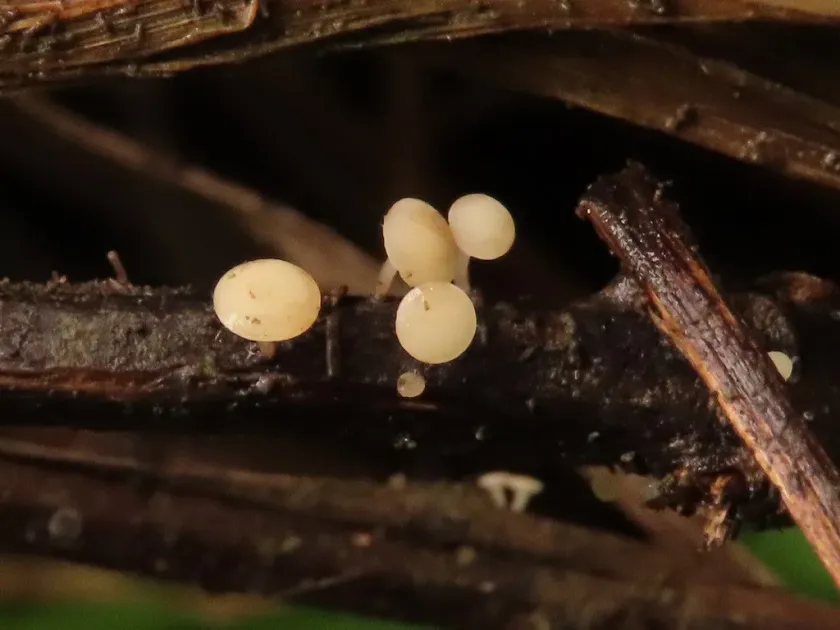
Description
Symptoms
The primary symptom of infection is the emergence of small, creamy-white fruiting bodies on the stems. These usually develop near the base of the plant where moisture levels are consistently high.
Affected stem tissues begin to discolor, often turning brown or necrotic. These lesions tend to spread, eventually encircling the stem and disrupting internal nutrient transport.
Stems affected by Hymenoscyphus scutula lose their structural integrity and become brittle. This structural weakness often leads to lodging, especially in dense crop stands subjected to wind.
Microscopic analysis of the infected areas reveals fungal hyphae penetrating deeply into the vascular system. This disruption causes premature wilting and reduced development of the upper plant parts.
In high humidity, a fine fungal growth may be visible on the surface of the lesions. This signifies active sporulation, which serves as a major source for secondary infections within the field.
Pathogen
Hymenoscyphus scutula is an ascomycete fungus belonging to the Helotiaceae family. While primarily recognized as a saprotrophic organism that decomposes plant debris, it can act as a pathogen under favorable environmental conditions.
The fungus is characterized by the formation of small, shield-like or saucer-shaped fruiting bodies known as apothecia. These structures are typically found on decaying stems of various herbaceous plants.
The life cycle involves the production of ascospores, which are dispersed primarily by wind and rain splashes. This mechanism allows for rapid colonization of new hosts, especially in damp environments.
The pathogen can survive in soil or on crop residues for extended periods, making it a persistent resident in many agro-ecosystems. Its resilience makes management challenging in environments with high organic matter.
Biologically, it is well-adapted to utilizing weakened plant tissues. Its ability to switch between saprotrophic and pathogenic modes of existence is a key factor in its environmental success.
Conditions for development
High moisture levels are the most critical factor promoting Hymenoscyphus scutula development. Prolonged rainfall, heavy fog, and high dew points create the perfect environment for infection.
The fungus thrives within a temperature range of 15–22°C. These moderate conditions accelerate the rate of mycelial growth and ensure the rapid progression of the disease in crops.
High planting density, which restricts airflow, creates a microclimate with stagnant, humid air. This significantly increases the risk of infection as the fungus spreads from one plant to another.
Physical wounds or damage from pests provide easy entry points for the fungal pathogen. Healthy plants with intact cuticles are generally much more resistant to the initial infection.
Fields with poor drainage or those located in low-lying areas are at a higher risk of outbreaks. The accumulation of water creates the ideal conditions for the fungus to establish its fruiting bodies.
Why it matters
The primary impact of the fungus is the damage to stems, which results in significant lodging. This leads to substantial yield losses due to the difficulty of harvesting fallen crops.
Vascular damage hampers the supply of water and nutrients to grain or fruit, leading to stunted development and poor product quality, which directly affects market value.
In severe cases, the infection can cause widespread plant death before the crop reaches maturity. This results in significant financial losses for farmers due to reduced total harvest weight.
The disease also weakens the plant's natural immune system, making it highly susceptible to secondary pathogens. This often results in a complex disease scenario that is difficult to manage.
Long-term harm includes the persistent presence of fungal spores in the soil, which increases the likelihood of recurring problems in future crop cycles if proper soil management is neglected.
Protection
Thorough incorporation of crop residues into the soil through deep plowing is a fundamental control measure. This eliminates the substrate required for the fungus to persist and produce new spores.
Implementing a diverse crop rotation is essential for breaking the disease cycle. Avoiding host crops in infested fields for several seasons effectively starves the fungus of its required host.
Optimizing plant spacing is crucial for ensuring adequate airflow and quick drying of the canopy. Reducing the time the stems remain wet effectively inhibits fungal growth and colonization.
Fungicide applications during the peak vegetative stage can help mitigate outbreaks. It is important to monitor fields closely and apply treatments at the first sign of disease symptoms.
Selecting resistant crop varieties is the most sustainable approach to long-term protection. Breeding programs focus on enhancing stem strength and natural immunity to minimize the impact of such pathogens.
Discussion
No discussions yet — be the first.