
Hohenbuehelia
Hohenbuehelia
Hohenbuehelia is a genus of fungi within the Pleurotaceae family, widely recognized for their wood-decay capabilities and unique predatory behavior against nematodes.
What the section contains
Hohenbuehelia
These fungi are considered facultative predators; they survive by decomposing organic matter but have evolved mechanisms to capture and digest soil-dwelling nematodes.
As a plant pathogen, it primarily colonizes weakened woody tissues, acting as a causative agent of white rot by breaking down complex lignocellulose structures.
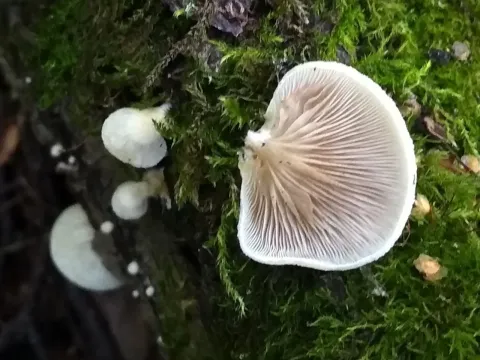
The biological cycle involves the production of small, spatulate to fan-shaped basidiocarps, which emerge from the substrate during periods of optimal moisture.
Spores produced by these fruiting bodies are dispersed by wind and water, allowing the fungus to colonize new susceptible hosts over significant distances.
The most evident sign of infestation is the appearance of grayish or brownish fungal fruiting bodies on tree trunks, roots, or decaying wood debris.
The surface of the caps typically feels somewhat gelatinous or leathery, and the underside displays well-defined radial gills leading towards the point of attachment.
Affected wood exhibits a significant loss of structural integrity, becoming soft and spongy, which often leads to branch breakage or tree falls under heavy loads.
Internal wood colonization can be identified by the presence of white mycelial mats that disrupt the water and nutrient transport systems of the host plant.
Plants affected by this pathogen often show visible decline, including stunted growth, yellowing foliage, and progressive dieback of terminal shoots.
Hohenbuehelia requires high humidity to thrive, as moisture is essential for both the germination of spores and the active spread of mycelium through wood tissue.
The fungus prefers shaded and cool environments, making it more prevalent in dense forests or unmaintained garden areas with poor air circulation.
Optimal growth temperatures for this species typically range between 15 and 22 degrees Celsius, aligning with moderate spring and autumn climate patterns.
Accumulation of leaf litter and woody debris near the base of trees provides a favorable nutrient source, allowing the fungus to establish a strong colony.
Poor soil drainage and low oxygen levels in the root zone can further predispose trees to infection by weakening their natural defense systems.
The primary damage caused by Hohenbuehelia is the structural degradation of woody plants, which makes them highly vulnerable to mechanical stress and wind damage.
By consuming vital structural components like lignin, the fungus significantly reduces the lifespan and overall health of both ornamental and fruit-bearing trees.
In forest nurseries and orchards, infestation can lead to significant economic losses due to the premature mortality of young and valuable saplings.
Root colonization by the fungal mycelium impedes the uptake of essential nutrients and water, directly impacting plant vigor and long-term fruit yield.
Furthermore, the presence of this fungus in the rhizosphere can negatively alter the soil microflora, potentially inhibiting the growth of beneficial symbiotic organisms.
The most effective management strategy involves rigorous sanitation, including the prompt removal and destruction of infected wood, stumps, and fallen debris.
Promoting good airflow by pruning tree canopies and ensuring adequate sunlight penetration helps maintain drier surface conditions unfavorable for fungal growth.
Regular disinfection of pruning tools is critical to prevent the mechanical transmission of fungal spores from infected trees to healthy plants in the garden.
Biological control methods, specifically the introduction of antagonistic fungi like Trichoderma, can help suppress the spread of Hohenbuehelia in the soil.
- Maintaining tree vitality through appropriate watering and fertilization.
- Protecting the tree bark from physical injuries and environmental stress.
- Conducting regular inspections to identify early signs of fungal colonization.