
Helicogloea
Helicogloea
The disease is caused by fungi belonging to the genus Helicogloea. These fungi are classified as basidiomycetes and are known for their ability to colonize and break down wood tissues, acting primarily as decomposers.
What the section contains
Helicogloea
The morphology of the genus is unique due to the shape of its basidia, which are typically coiled or curved. This feature is a key identification mark during microscopic examination of the fungal structures.
The life cycle of Helicogloea involves the production of basidiospores that are dispersed by air currents. Upon landing on a suitable substrate, these spores germinate and develop a mycelium that permeates the host tissues.
As they colonize the wood, these fungi secrete enzymes capable of degrading lignin and cellulose. This enzymatic activity is what leads to the internal structural deterioration of the wood over time.
While often found on dead organic matter, these fungi can opportunistically infect living plants, particularly those already weakened by environmental stress or previous physical damage.
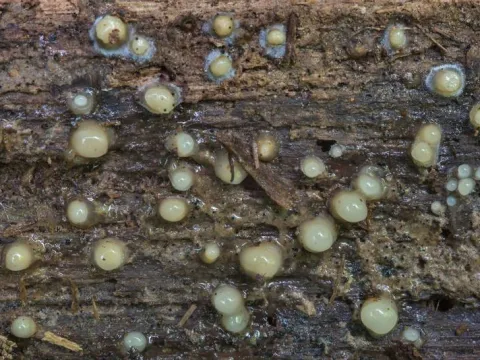
Visual symptoms often include the appearance of jelly-like or thin, membrane-like fruiting bodies on the surface of the bark or exposed wood. These structures may change texture based on ambient moisture levels.
Internally, infected wood often shows signs of discoloration, shifting toward brown or dark shades. This color change indicates the ongoing degradation of the cellulose fibers within the wood structure.
Cracking and peeling of the bark are common indicators that the underlying tissue is compromised. As the wood decays, it loses its structural integrity and may become soft or spongy to the touch.
In terms of overall plant health, infected specimens may show stunted growth, premature yellowing of foliage, and dieback of specific branches. These symptoms occur as the transport of water and nutrients is severely impaired.
- Presence of gelatinous fungal growths.
- Darkening and softening of wood tissues.
- Bark cracking and sloughing off.
- Premature leaf senescence.
- Loss of structural branch stability.
High relative humidity is the primary driver for Helicogloea development. Moisture trapped on the bark or wood surface provides the necessary environment for fungal spores to successfully colonize the host.
Moderate temperatures favor the rapid expansion of the mycelium. In climates with frequent rainfall and mild weather, the fungus can progress significantly faster than in arid or very cold conditions.
Physical injuries, such as pruning wounds, storm damage, or frost cracks, are critical points of entry. These wounds provide direct access to the nutrient-rich inner wood, allowing the pathogen to establish itself.
Poor ventilation within the canopy of trees or dense plantations creates microclimates that retain moisture longer. These spots are highly susceptible to initial infection and subsequent spread of the fungus.
Inadequate soil drainage or waterlogging can weaken the plant's natural defense systems. Plants under such physiological stress are significantly more vulnerable to colonization by opportunistic wood-rotting fungi.
The most severe impact of Helicogloea is the progressive destruction of wood structure. This rot diminishes the tree's mechanical strength, increasing the risk of structural failure during high winds.
In orchards, the presence of this disease disrupts the physiological processes required for fruit production. This manifests as reduced yield and poor fruit quality, as the tree struggles to survive.
Once established, the disease can spread to adjacent trees through spore dispersal. This capability makes it a persistent threat in nurseries and forest plantations where high tree density facilitates transmission.
Furthermore, the decay caused by this fungus creates an ideal niche for secondary pests, such as wood-boring insects. This creates a destructive synergy that can lead to the death of the tree much faster.
The loss of a tree due to internal wood rot represents a long-term investment loss. Since the damage often occurs internally, it is frequently detected too late for effective recovery efforts.
Sanitation is the most effective management tool. Any wood exhibiting signs of rot should be pruned out immediately and disposed of by burning to eliminate the inoculum source from the area.
Disinfecting pruning tools after each use is mandatory to prevent cross-contamination. Use alcohol-based or bleach solutions to ensure that fungal spores are killed before moving to the next tree.
Any fresh wounds on trunks or large branches must be treated with appropriate fungicidal sealants. This physical and chemical barrier protects the plant from new spore penetration while the wound heals.
Applying broad-spectrum fungicides as a preventative measure during high-risk seasons can help suppress fungal activity. Strategic timing should align with periods of frequent rain or high humidity.
Good agricultural practices are the foundation of prevention. Ensuring adequate spacing between plants, proper light penetration through the canopy, and balanced fertilization will maintain plant vigor and natural resistance.