
Gloniaceae
Gloniaceae
Gloniaceae is a family of fungi belonging to the class Dothideomycetes. The primary genus within this taxon is Glonium. These fungi are classified as ascomycetes and generally lead a saprotrophic or weakly parasitic lifestyle.
What the section contains
Gloniaceae
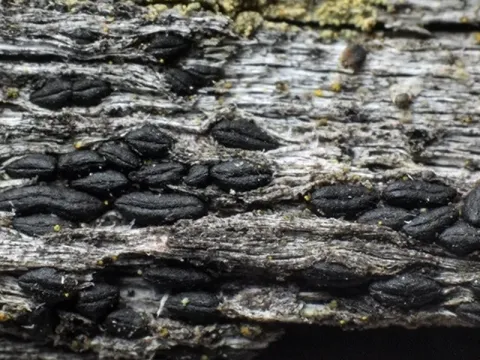
The life cycle of these fungi is characterized by the formation of distinctive fruiting bodies known as hysterothecia. These appear as elongated, linear structures that develop on dead or weakened woody substrates.
The biology of these fungi is closely tied to the degradation of lignin and cellulose. As the mycelium develops, it penetrates deep into the plant tissues, systematically breaking down their structural integrity.
Reproduction occurs via ascospores, which are discharged from the slit-like openings of the hysterothecia during periods of high humidity. This mechanism allows the fungus to spread effectively across forest and garden ecosystems.
Mycological descriptions highlight the adaptability of this family to substrates with low nutrient content, making them resilient to a wide range of environmental stressors.
The primary symptom of infection is the emergence of small, black, elongated bodies on the bark of branches or trunks. These fungal fruiting bodies adhere tightly to the woody surface.
As the pathogen progresses, the bark in the colonized areas begins to die off. The surface of these infected sites often becomes rough and takes on a dark, necrotic appearance.
In cases of deep cambium damage, the tree may show signs of premature wilting of leaves or needles. However, symptoms are most frequently localized on dry or dying plant parts.
Visual inspection allows for easy differentiation of Gloniaceae from other fungi, thanks to the specific slit-like geometry of the fruiting bodies, which may appear in rows or scattered formations.
In late stages of development, the infected zone may be colonized by secondary opportunistic pathogens, which complicates the accurate diagnosis of the primary disease.
The development of Gloniaceae is directly dependent on air and wood moisture levels. Optimal conditions for spore germination include prolonged periods of high humidity combined with moderate temperatures.
Dense plantings and poor canopy aeration create an ideal microclimate for mycelial activation. This is particularly prevalent in orchards where regular sanitary pruning is neglected.
The presence of mechanical bark damage, sunscald, or frost cracks significantly facilitates the entry of spores into plant tissues. Healthy trees are significantly more resistant to infection compared to weakened ones.
Spore dispersal is facilitated by wind currents and rain splashes. Consequently, peak infectious activity is typically observed during spring and autumn, characterized by frequent precipitation.
A high density of inoculum in the vicinity of neglected plots or shelterbelts increases the risk of contamination for nearby crops within a radius of several hundred meters.
The main danger posed by Gloniaceae lies in their ability to accelerate wood decay. This leads to the loss of commercial value for both nursery stock and mature trees.
In fruit-bearing crops, overall productivity declines as infected trees divert vital resources to fighting the infection, resulting in significant yield losses.
These fungi degrade the vascular system of the plant. This disruption of nutrient and water transport leads to the premature desiccation of branches.
In industrial fruit production, managing Gloniaceae infections requires expensive sanitary interventions. In severe cases, entire trees must be removed to prevent large-scale epiphytotics.
The accumulation of the pathogen within the orchard weakens the natural defenses of the trees, making them more susceptible to other aggressive diseases, such as black cancer or cytosporosis.
Prevention begins with consistent sanitary pruning. Removing all dead, damaged, and infected branches is essential to stop the spread of the fungus throughout the orchard.
All removed plant material must be disposed of immediately, preferably by burning. Leaving infected wood in inter-row spaces is strictly prohibited.
Monitoring the general health of the trees is crucial. Timely wound healing, cleaning frost cracks, and proper sealing of pruning cuts with wound paint help strengthen the plant's natural defenses.
Chemical control involves the application of broad-spectrum copper-based fungicides, which suppress the development of fungal spores on the bark surface during early spring.
- Maintaining optimal planting density for airflow.
- Timely fertilization to boost plant immunity.
- Regular disinfection of pruning tools.
- Creating conditions for rapid canopy drying.