
Gloniales
Gloniales
The disease is caused by fungi belonging to the order Gloniales (class Dothideomycetes). These are ascomycetous fungi characterized by the development of specific fruit bodies known as hysterothecia.
What the section contains
Gloniales
These reproductive structures are typically elongated in shape and open via a longitudinal slit, releasing spores into the surrounding environment to propagate the fungus.
Gloniales fungi often act as saprotrophs, but under specific stress conditions, they can exhibit parasitic activity on weakened plant tissues, particularly woody stems.
Their biology is centered on the ability to decompose complex organic matter, such as cellulose and lignin, making them primary decomposers of dead plant material.
The life cycle involves sexual reproduction occurring within the protected hysterothecia, which allow the fungus to survive adverse environmental conditions efficiently.
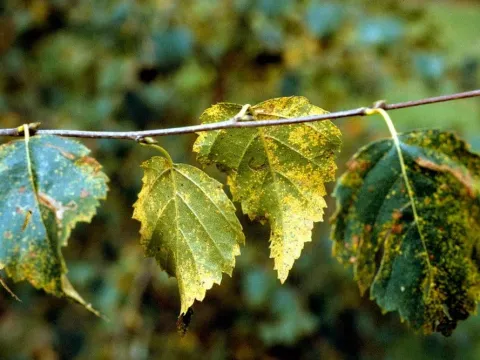
The primary symptom of infection is the appearance of numerous small, black, or dark brown fruit bodies covering the surface of affected branches, twigs, or bark.
Visually, the infected areas appear dark, dry, and often cracked. In areas where the fungus has colonized, the epidermal layer of the plant shows signs of necrosis and decay.
Infection often results in a color change of the bark, which may turn grey or brownish. Close inspection with a hand lens reveals the distinct, elongated structures of the pathogen.
On some crops, the fungus causes the development of sunken necrotic lesions that gradually expand, potentially girdling the branch and leading to its eventual wilting.
- Presence of dark, elongated fruit bodies on the bark.
- Darkening and cracking of plant tissues.
- Wilting and dieback of individual branches.
- Formation of necrotic patches on stems.
The development of Gloniales is favored by high humidity and the presence of persistent moisture on the plant surface, which triggers the release of spores.
Temperature plays a key role, with the most active development occurring during moderately warm and humid periods, typically seen in autumn or damp springs.
Poor air circulation within dense plantings creates a stagnant microclimate that encourages the spread of the fungus among neighboring plants.
Physical injuries, such as sunscald, frost cracks, or wounds from improper pruning, provide ideal entry points for the pathogen to colonize the plant's vascular tissues.
Plants under stress, whether due to poor soil nutrient levels, drought, or waterlogging, are significantly more susceptible to colonization by Gloniales species.
The primary damage occurs through the destruction of bark and conductive tissues, which disrupts the flow of water and nutrients, leading to branch death.
This infection weakens the overall health of the plant, making it more vulnerable to secondary opportunistic pathogens and insect infestations that further degrade the plant.
In nurseries, Gloniales can lead to the rejection of plant stock, causing significant economic losses for growers who must discard affected material.
Infection reduces the cold hardiness of woody plants, as damaged tissues are unable to prepare properly for dormancy and are more susceptible to winter injury.
Long-term harm includes a decline in fruit yield and a reduction in the productive lifespan of orchards and landscape plantings.
Sanitary pruning is the most critical control measure; all infected or dead branches must be removed promptly and destroyed to prevent spore dispersal.
Disinfecting pruning tools after working on infected plants is essential to prevent the spread of the fungus to healthy parts of the orchard or nursery.
Applying a protective whitewash to the trunks and main branches in autumn can prevent bark cracking caused by frost, thereby eliminating potential infection sites.
Maintaining optimal growing conditions, including balanced fertilization and proper irrigation, helps boost the plant's natural resistance to fungal infections.
If a severe infestation is present, the use of copper-based fungicides during the early spring can help reduce the local inoculum pressure before the growing season begins.