
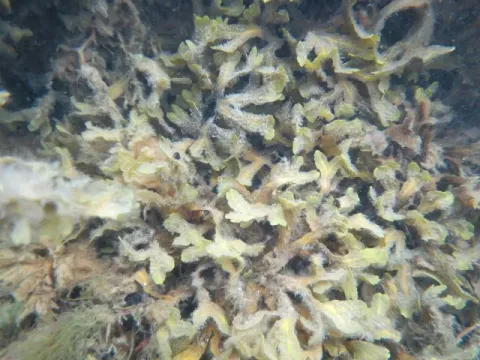
Fucus serratus
Fucus serratus
Fucus serratus, commonly known as serrated wrack, is a species of brown algae (Phaeophyceae) rather than a plant disease or agricultural pathogen.
What the section contains
Fucus serratus
It is widely studied in marine biology for its role as a primary producer and habitat builder in intertidal zones of the North Atlantic.
The name indicates its characteristic saw-toothed margins of the flat, dichotomously branched thallus, which distinguishes it from other species like Fucus vesiculosus.
The organism attaches to rocky substrates using a specialized holdfast, allowing it to withstand high-energy wave environments.
It lacks any pathogenic properties, and its presence in agricultural contexts is solely linked to its use as organic soil amendments or biostimulants.
This species thrives in the intertidal zone, where it is periodically submerged during high tide and exposed during low tide.
It prefers rocky shores where the holdfast can securely anchor to a solid foundation, preventing displacement by currents.
Cooler temperate waters are essential for its physiological functions, as excessive heat stress can inhibit its metabolic processes.
Nutrient availability in the water, particularly nitrogen and phosphorus, facilitates the growth of dense kelp and wrack populations.
Light penetration is a key factor, as Fucus serratus relies on effective photosynthesis, typically occurring in the upper sublittoral and mid-littoral zones.
As a marine organism, Fucus serratus causes no harm to crops and is ecologically significant for maintaining biodiversity in coastal areas.
Potential issues for agriculture arise only from the improper processing of seaweed-based fertilizers, such as high salinity or contamination from marine pollutants.
Over-application of seaweed extracts without neutralizing salinity can cause osmotic stress to sensitive terrestrial plants, potentially hindering root development.
Contamination with heavy metals, if the seaweed is harvested from polluted industrial ports, poses a risk of soil toxicity if used extensively.
Therefore, proper processing and quality control are essential when utilizing seaweed products to ensure they act as beneficial amendments rather than stressors.