
Fucales
Fucales
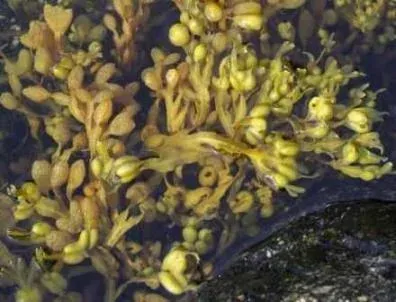
Description
Pathogen
The order Fucales comprises a group of brown algae that are strictly marine organisms. They are not plant pathogens and do not cause any diseases in agricultural crops.
These organisms are multicellular algae with complex body structures known as thalli, often equipped with pneumatocysts for buoyancy. They perform photosynthesis and thrive in the intertidal zones of oceans.
In botany, they belong to the Phaeophyceae class. They are fundamentally different from pathogenic fungi, bacteria, or viruses that cause agricultural blight or rot.
The confusion regarding these organisms often arises in agricultural discourse because extracts from these algae are widely used as biostimulants, which some misidentify as therapeutic agents against "diseases".
There is no taxonomic or functional overlap between the order Fucales and any known agricultural pest or disease vector.
Conditions for development
The development of Fucales depends entirely on marine environments, requiring specific salinity levels and light availability within the photic zone.
They typically anchor themselves to rocky substrates along coastlines, where they can survive periodic exposure to air during low tides.
The distribution of these algae is controlled by ocean currents, which carry their reproductive spores across suitable maritime habitats.
Temperature is a key limiting factor; most species within this order are well-adapted to cool or temperate coastal waters, which regulate their growth rates.
They do not invade agricultural lands or survive in terrestrial soils, as their physiological systems are evolutionarily tailored for high-salt environments.
Why it matters
Fucales species pose no threat to crops. They do not infect plant tissues, compete for light in field settings, or act as hosts for agricultural diseases.
The only potential for harm is related to the improper application of unprocessed seaweed as mulch, which may introduce excess chlorides into the soil, potentially causing salt stress to sensitive plants.
This salt accumulation is a manageable soil chemistry issue, not an infection or a parasitic attack by the algae themselves.
In fact, processed extracts of these algae are highly valued in modern farming for their content of auxins, cytokinins, and other beneficial secondary metabolites.
They significantly increase plant resistance to drought, salinity, and heat, making them an asset rather than a harmful factor in crop production.
Protection
No control measures are necessary, as Fucales are not plant pathogens and do not cause damage to crops.
If seaweed-based mulch is used, the recommended agronomic practice is to wash the material to reduce salt content or compost it thoroughly before field application.
Agricultural management should focus on utilizing standardized seaweed-based products to ensure they are free of excessive salt and debris.
Professional agronomists treat these algae as a source of organic nutrients, promoting the use of purified seaweed extracts for soil health improvement.
There are no chemical or biological control protocols developed for Fucales in an agricultural context because they are not weeds or pathogens.
Discussion
No discussions yet — be the first.