
Elixia flexella
Elixia flexella
Elixia flexella is a fungal species belonging to the Ascomycota division. Within agricultural phytopathology, it is recognized primarily as a saprotrophic organism that colonizes organic matter.
What the section contains
Elixia flexella
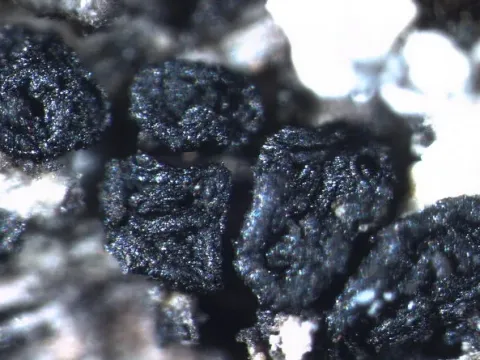
The fungus manifests through the formation of small, dark-colored apothecia. These reproductive structures attach securely to the host tissue, providing a stable foundation for spore dispersal.
Its life cycle is closely linked to the decomposition of plant residues. Spores are primarily dispersed by wind currents, allowing the fungus to colonize susceptible areas effectively.
While often found on dead plant tissues, Elixia flexella can act as a secondary invader, exploiting weakened plant tissues in various agricultural and forest ecosystems.
The organism shows high resilience to environmental fluctuations, allowing it to remain viable within host tissues for extended periods until favorable conditions return.
The growth and spread of Elixia flexella are highly dependent on environmental moisture. High relative humidity, consistently above 80%, is essential for spore germination and mycelial expansion.
Temperature plays a crucial role in its development, with an optimal range between +15°C and +22°C. Outside of this range, the fungus exhibits reduced metabolic activity.
Surface moisture, such as dew or rainfall remaining on leaves, creates the ideal microenvironment for infection. Poor air circulation in dense plantations further facilitates the development of the fungus.
Improper agronomic practices, such as failing to remove infected crop debris, lead to a buildup of inoculum in the soil, increasing the risk of recurring infections in subsequent seasons.
Shaded areas with minimal airflow are particularly susceptible to colonization by this pathogen, making site selection and canopy management important factors in disease prevention.
The primary concern regarding Elixia flexella is its role in accelerating tissue decay. The pathogen degrades plant cells, compromising the overall structural integrity of the plant.
Infection disrupts essential physiological processes such as photosynthesis and transpiration. This leads to reduced plant vigor, stunted growth, and a significant decrease in biomass production.
The pathogen can serve as a precursor to more aggressive secondary infections. By weakening the plant's natural defenses, it makes the host more vulnerable to a range of pests and diseases.
In terms of crop quality, Elixia flexella causes visible damage that lowers the commercial value of the produce, often rendering it unsuitable for long-term storage.
Under conditions of high moisture and poor sanitation, the fungus can spread rapidly across a field, leading to significant economic losses if not managed with timely interventions.
Effective management of Elixia flexella relies on integrated pest management (IPM) strategies. Good field sanitation is the most critical step, including the thorough removal of plant residues.
Fungicide application should be employed when environmental conditions are conducive to disease outbreaks. Both preventative and curative measures are necessary to limit the pathogen's impact.
Managing canopy density and ensuring adequate spacing between plants improves airflow, which helps to maintain drier conditions and hinders the development of fungal structures.
Strengthening plant health through balanced fertilization increases the plant's resistance to infection, helping it to better withstand potential colonization by this fungus.
- Regular phytosanitary monitoring of the field.
- Implementation of crop rotation to break the life cycle.
- Ensuring proper ventilation in greenhouse facilities.
- Using biological control agents to suppress fungal growth.