
Elsinoë
Elsinoë
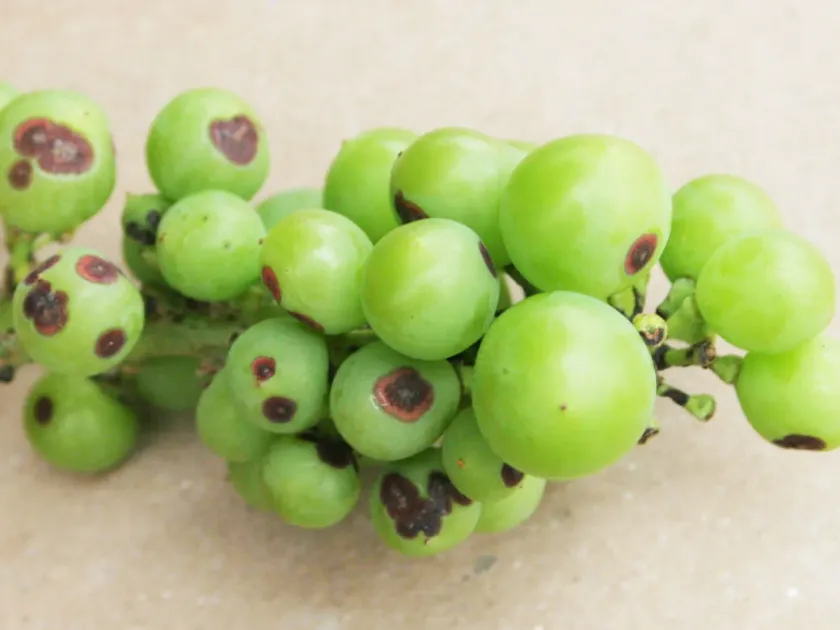
Description
Symptoms
Symptoms typically manifest as small, circular, or irregular spots on leaves, stems, and fruits. These spots often develop a light gray center with a dark, necrotic margin.
Infected shoots often exhibit deep, cracked lesions or cankers, which can cause severe distortion, bending, or even death of the affected branch tips.
Fruit symptoms are particularly damaging, showing scab-like scabs or pits that prevent normal expansion, leading to deformed and unmarketable produce.
In periods of high humidity, a delicate spore-bearing layer may appear on the lesions, often described as a whitish or light pinkish powder.
Defoliation is a common late-stage symptom, where the tree or plant sheds its leaves prematurely, leading to weakened physiological states before winter.
Pathogen
Elsinoë is a genus of fungi responsible for various plant diseases, often referred to as scab or anthracnose. These pathogens are obligate parasites that colonize host tissues by infiltrating the epidermis.
The life cycle involves both sexual and asexual stages. The asexual stage produces conidia in structures called acervuli, which facilitate rapid spread during the growing season, while the sexual stage occurs in apothecia.
These fungi are highly persistent, surviving as mycelium or spores within plant debris, soil, or dormant buds, ready to infect new growth when conditions become favorable.
Elsinoë pathogens are known for their high host specificity; for instance, Elsinoë ampelina primarily affects grapevines, while others target citrus or shrubs.
Biological studies indicate that the fungus secretes specific enzymes that break down plant cell walls, allowing it to derive nutrients and expand its infection zone throughout the host.
Conditions for development
Development of Elsinoë is strongly dependent on moisture. Rainfall and high humidity are the primary drivers for the germination of fungal spores on plant surfaces.
Temperature plays a crucial role, with optimal growth occurring in moderate to warm conditions, typically between 20°C and 25°C, common during spring growth.
Poor aeration within dense crop canopies creates an ideal microclimate where moisture persists on leaf surfaces for extended periods, increasing the infection window.
Overhead irrigation systems can inadvertently simulate rainfall, further spreading spores from infected plants to healthy ones if not managed correctly.
Young, rapidly growing succulent tissues are most susceptible to infection, as the cuticle is still thin and easily penetrated by the fungal hyphae.
Why it matters
The economic impact of Elsinoë is significant due to both reduced yield and diminished quality of harvested produce, as scabbed fruits are rejected by markets.
Chronic infections weaken the plant by exhausting its reserves, leading to a decline in vigor, stunted growth, and increased susceptibility to other biotic and abiotic stresses.
In perennials, severe disease pressure can shorten the productive lifespan of the plant, necessitating early replacement and increasing long-term operational costs.
The potential for rapid epidemic development during wet seasons means that producers often face high costs for protective fungicides to prevent total crop loss.
The buildup of soil-borne inoculum means that infection cycles can repeat year after year if intensive sanitation is not strictly implemented.
Protection
Integrated Pest Management (IPM) is essential, starting with the selection of resistant cultivars to significantly reduce the need for chemical inputs.
Sanitation is a cornerstone of control: removing and destroying infected plant debris is vital to lowering the amount of primary inoculum in the environment.
Cultural practices, such as proper pruning and spacing, improve airflow and accelerate the drying of foliage, which is a natural barrier to fungal colonization.
Chemical control programs involving copper-based protectants or systemic fungicides must be timed to coincide with high-risk phenological stages.
- Dormant season sprays to reduce initial inoculum.
- Application of protective fungicides during bud break.
- Regular canopy thinning to ensure light and air penetration.
- Prompt removal of diseased tissues during the season.
- Monitoring weather patterns to schedule preventative treatments.
Discussion
No discussions yet — be the first.