
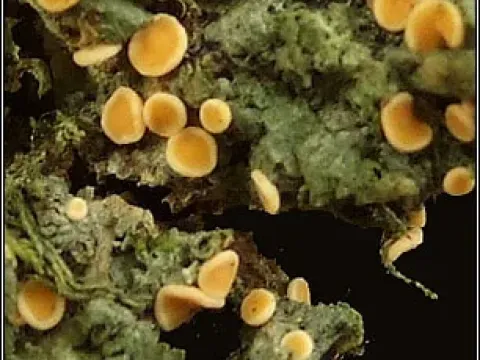
Dimerella
Dimerella
Dimerella is a genus of fungi, primarily known as lichen-forming organisms, which can occasionally colonize plant surfaces as epiphytic or parasitic pathogens.
What the section contains
Dimerella
The disease is caused by fungal spores that spread through wind, water droplets, and mechanical contact, settling on the host's bark, leaves, or shoots.
The pathogen utilizes a biological mechanism to attach itself to the plant cuticle, slowly invading the surface layers and absorbing nutrients from the host.
These fungi form small, visible fruiting bodies called apothecia, which are crucial for the reproductive cycle and the identification of the infection.
Survival in diverse environments is ensured by the fungus's ability to withstand fluctuating moisture levels, allowing it to persist throughout the growing season.
Symptoms of Dimerella infection typically manifest as irregular, discolored spots or crust-like patches on the bark of trees and shrubs.
In humid conditions, minute, colorful apothecia may appear within the infected area, giving it a granular or textured appearance.
The affected plant parts may show signs of stress, such as localized yellowing (chlorosis) or browning of the epidermis around the infection site.
General growth retardation may be observed if the infection covers a significant portion of the plant's surface, disrupting normal physiological processes.
- Bark spotting and discoloration.
- Presence of tiny apothecia.
- Localized tissue necrosis.
- Reduced vitality and stunted growth.
High relative humidity and frequent rainfall are the primary environmental drivers for the development and colonization of Dimerella on plants.
Dense planting schemes that prevent proper air circulation and trap moisture within the canopy create ideal conditions for the spread of spores.
Moderate temperatures ranging between 15°C and 25°C favor the rapid germination and growth of the fungal mycelium on the host's surface.
Existing plant injuries, such as cracks in the bark or insect-inflicted wounds, provide easier entry points for the pathogen to establish itself.
Poorly lit environments with lack of sunlight exposure tend to increase the plant's susceptibility to such epiphyte-based fungal infections.
The primary harm caused by Dimerella involves the depletion of plant energy through nutrient absorption and the mechanical blockage of gas exchange through the epidermis.
Persistent infection weakens the host plant, making it more vulnerable to secondary invaders, extreme weather conditions, and various insect pests.
In fruit-bearing crops, the reduced photosynthetic efficiency directly impacts the quality and quantity of the harvest over several seasons.
Long-term colonization of the bark can cause damage to the protective layers, potentially leading to the death of small branches or shoots.
Economic losses are cumulative, as the overall vigor and productive lifespan of the perennial crops are significantly reduced by the pathogen.
Effective management begins with improving air circulation through selective pruning, which creates a less favorable environment for fungal growth.
Sanitation practices, such as removing heavily infected branches and clearing old bark, are essential to reduce the inoculum level in the garden.
Copper-based fungicides are highly effective in controlling surface-dwelling fungi and preventing the successful germination of new spores.
Maintaining high plant vigor through proper fertilization and watering helps the host build a natural defense mechanism against the pathogen.
Regular monitoring during the dormant season allows for early intervention, which prevents the infection from reaching severe, uncontrollable levels.