
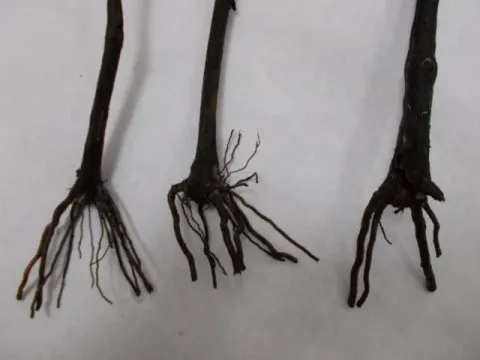
Cylindrocarpon rot
Cylindrocarpon
Cylindrocarpon rot is caused by fungi of the genus Cylindrocarpon (often associated with Neonectria species). These are persistent soil-borne pathogens capable of surviving in soil debris for extended periods.
What the section contains
Cylindrocarpon rot
The fungus targets the root system, root collar, and the base of the stems. Infection primarily occurs through wounds or natural openings in the roots, making plants vulnerable during stress periods.
Once inside, the fungal mycelium colonizes the plant tissue, causing significant decay of the root parenchyma. This systemic destruction disrupts the plant's ability to uptake water and essential nutrients.
The fungus reproduces via conidia, which spread easily through water droplets, soil particles, and contaminated tools. This rapid dispersal makes it particularly destructive in controlled environments.
Due to its saprotrophic capabilities, the pathogen can survive as a dormant structure in the soil for years, waiting for favorable environmental conditions to re-infect host crops.
The first signs of Cylindrocarpon rot are subtle and often resemble signs of water stress. Plants may exhibit wilting, yellowing leaves, and a general lack of vigor despite adequate irrigation.
A closer inspection of the root system reveals brown or black discoloration. The infected tissue becomes soft and mushy, with the outer layers of the roots sloughing off easily upon touch.
The root collar often shows sunken lesions or necrotic patches. Under high humidity, these areas may develop a white or creamy-colored mycelial growth, which serves as a key diagnostic feature.
Affected perennial plants show stunted growth and poor flower production over successive seasons. The eventual failure of the root system leads to the total collapse of the plant.
Because the symptoms are initially restricted to the root zone, the disease is often misdiagnosed until it has reached an advanced stage, making timely detection crucial.
The primary driver for the development of Cylindrocarpon rot is excessive soil moisture. Waterlogged conditions create an ideal anaerobic environment for the fungus to thrive and infect root tissues.
Cooler temperatures combined with high humidity are particularly conducive to the pathogen's activity. This is why outbreaks are frequently observed during early spring or in poorly ventilated greenhouses.
Poor soil aeration, caused by compacted soil or improper substrate composition, hinders healthy root development and increases the vulnerability of plants to fungal colonization.
The presence of root-feeding pests, such as nematodes, creates physical damage that provides an easy entry point for the fungus, significantly accelerating the infection process.
High planting density restricts airflow and maintains constant humidity levels, which encourages the movement of fungal spores between neighboring plants, leading to widespread infection.
Cylindrocarpon rot causes severe economic harm by compromising the vascular system of the plant. This leads to reduced growth, lower yields, and the eventual death of the crop.
In commercial nurseries, the disease can wipe out entire batches of cuttings and seedlings. Its persistence in the soil makes it a long-term threat to production areas.
For ornamental plants, the infection destroys the aesthetic value, causing plants to become unsightly and unproductive. Such plants are rarely able to recover once the rot reaches the stem base.
Because the pathogen can persist in the soil for years, it severely limits the options for crop rotation, often requiring expensive soil fumigation or replacement of the growing media.
The presence of the fungus increases the susceptibility of the crop to other opportunistic pathogens, creating a downward spiral in the overall health of the entire plant population.
Effective management begins with using certified, disease-free planting material. Pre-planting treatments with systemic fungicides are highly recommended to protect root systems.
Maintaining proper irrigation practices is vital. Ensuring adequate drainage and avoiding waterlogging prevents the moist environment necessary for fungal sporulation and infection.
Strict sanitation protocols must be followed. Regularly disinfecting tools, pots, and surfaces helps prevent the accidental spread of fungal spores throughout the greenhouse or garden.
Promptly removing and disposing of infected plants along with the surrounding soil is necessary to prevent the spread. Surrounding areas should be treated with appropriate fungicidal solutions.
Incorporating biological control agents, such as beneficial Trichoderma species, helps create a competitive environment in the soil, effectively suppressing the growth of Cylindrocarpon.