
Cyclotella
Cyclotella
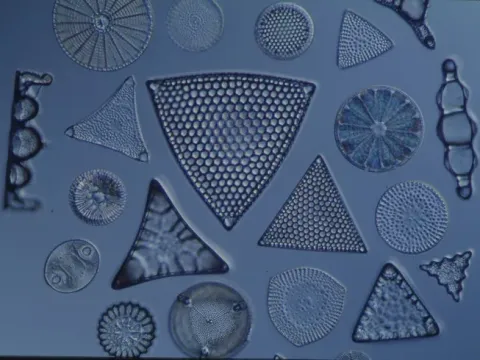
Cyclotella is a genus of centric diatoms characterized by single cells or short colonies encased in a silica-based shell known as a frustule.
What the section contains
Cyclotella
While not a disease-causing pathogen in the strict sense for terrestrial crops, it acts as a significant biological nuisance in greenhouse water systems and hydroponic setups.
The cells exhibit a distinct disc-like morphology, and their silica shells feature intricate radial patterns which are essential for microscopic identification.
As photosynthetic eukaryotes, these organisms play a major role in aquatic ecosystems by sequestering silica to build their complex structural shells.
Their reproduction occurs through both asexual cell division and sexual cycles, allowing them to rapidly occupy available space in nutrient-rich aquatic environments.
Cyclotella thrives in water sources enriched with dissolved minerals, particularly phosphates and silicates, which are essential building blocks for their frustules.
High light intensity, common in modern greenhouse operations, provides the energy required for the rapid photosynthetic proliferation of these microscopic algae.
Optimal growth temperatures for this genus typically range from 15°C to 25°C, mirroring the environmental conditions optimized for many commercial crop varieties.
Fluctuations in water pH and dissolved CO2 levels can trigger rapid population explosions, often observed in unbalanced fertigation or nutrient solution reservoirs.
Introduction into a system typically occurs via contaminated water supplies, unsterilized equipment, or airborne spores settling on moist surfaces during system maintenance.
The primary hazard of Cyclotella in controlled environments is the formation of biofilm and physical clogging of filters, irrigation emitters, and pump components.
Algal colonies compete with cultivated plants for essential nutrients, leading to potential mineral deficiencies that can affect plant yield and overall health.
Dense mats of algae settling on roots can obstruct gas exchange, potentially leading to oxygen deprivation and creating an environment favorable for opportunistic pathogens.
Rapid biomass accumulation followed by decomposition significantly increases the chemical oxygen demand (COD) of the water, which can stress the root zone.
Biofouling obscures the visibility of the nutrient solution, making it difficult for growers to monitor the status of the plant root system or chemical concentrations.
The most effective preventative measure is the installation of high-capacity UV-C sterilization units, which disrupt the DNA of algae, effectively halting their reproduction.
Eliminating direct light exposure to nutrient reservoirs and supply lines is crucial, as shading prevents the energy input necessary for algal photosynthesis.
Implementing multi-stage mechanical filtration helps capture and remove existing algal colonies before they can distribute throughout the irrigation system.
Rigorous sanitation protocols, including the thorough disinfection of tanks and lines between cropping cycles, are essential to minimize the risk of recurring outbreaks.
In cases of heavy infestation, specific algaecides can be employed; however, these must be compatible with the crops being grown to ensure safety and quality standards.