
Chionosphaera
Chionosphaera
Chionosphaera is a genus of fungi within the Basidiomycota class that acts as a specialized pathogen capable of thriving in cold, moist environments.
What the section contains
Chionosphaera
This fungus is primarily known for its ability to colonize plant tissues during the dormant winter period, often under the protective cover of snow.
It reproduces through basidiospores that are easily disseminated by wind, rain, and moisture, allowing the pathogen to spread across agricultural fields efficiently.
The biology of the fungus allows it to utilize stored sugars in host tissues, making it particularly dangerous for plants that are preparing for winter dormancy.
While often categorized as a facultative parasite, Chionosphaera species can cause significant systemic infections in susceptible woody and herbaceous plants.
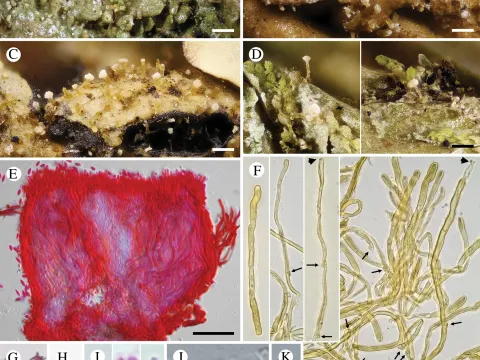
The primary symptom of infection is the emergence of a white or grayish fungal mat on the surface of stems and foliage immediately after the snow melts.
Infected areas often exhibit necrosis, where the tissue softens, loses its structural integrity, and changes color to dark brown or black due to cell collapse.
On woody species, the pathogen causes cracking in the bark, leading to deep lesions that disrupt the transport of nutrients and water within the plant.
Herbaceous plants often show signs of water-soaked lesions near the base, eventually leading to the total collapse of the plant structure as the fungus penetrates deeper.
Microscopic inspection of the lesions often reveals the presence of small, light-colored fruiting bodies that indicate the active sporulation phase of the fungus.
The development of the disease is strictly linked to long-lasting snow cover, which maintains a stable, near-freezing environment favored by the pathogen.
High humidity and poor air circulation within the canopy are critical environmental factors that promote the rapid growth and spread of the fungal mycelium.
Fluctuating winter temperatures, characterized by intermittent thaw-freeze cycles, significantly weaken the host's immune response to fungal invasion.
Poor soil drainage creates pockets of excessive moisture, which allows the fungus to persist and thrive even in the absence of direct surface exposure.
Lack of proper autumnal fertilization, particularly potassium deficiency, reduces the plant's natural frost resistance, making it more prone to Chionosphaera infection.
The primary agricultural impact of this pathogen is the reduction in winter crop survival, leading to thinning stands and potential loss of yield.
In ornamental and orchard environments, the fungus causes permanent damage to tree branches and shrubs, often resulting in long-term stunted growth.
The infection compromises the plant's metabolic health, hindering its ability to initiate vigorous growth during the subsequent spring season.
Significant economic loss is frequently incurred due to the necessity of removing dead plant material and replacing vulnerable or destroyed stock.
Severe infestations can lead to total crop failure in highly susceptible species, especially in regions with prolonged cold, snowy winters.
Management begins with good cultural practices, such as ensuring proper soil drainage and clearing all organic debris before the winter season begins.
The application of systemic fungicides in late autumn serves as an effective preventative measure to stop the initial colonization of the fungus.
Selecting and planting resistant cultivars can dramatically reduce the susceptibility of a site to Chionosphaera outbreaks.
Regular maintenance, including proper spacing and canopy thinning, improves air circulation and reduces the moisture levels necessary for fungal growth.
- Use of mineral fertilizers to strengthen plant immunity before winter.
- Removal of infected debris to limit the inoculum source.
- Monitoring fields during early spring thaws for initial symptoms.
- Integration of biological fungicides as part of an IPM strategy.