
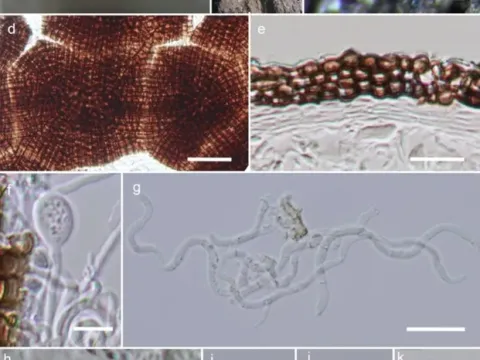
Cephalotheca sulfurea
Cephalotheca sulfurea
Cephalotheca sulfurea is a fungal pathogen belonging to the Sordariales order. While often found as a soil saprophyte, it possesses the biological capacity to infect the root systems of various plant species under favorable conditions.
What the section contains
Cephalotheca sulfurea
The fungus is characterized by the production of distinctive sulfur-yellow cleistothecia. These reproductive structures are highly resistant to environmental stress and serve as a primary source of inoculum in agricultural soils.
Once the fungal mycelium reaches the root zone, it begins to colonize the cortical tissue of the plant. This process disrupts the plant's vascular system, leading to inhibited growth and a significant reduction in nutrient uptake.
The pathogen thrives on dead organic matter, making fields with high stubble residue highly susceptible to infection. It persists in the soil through both mycelial fragments and resilient spore structures.
Recent research in mycology highlights the adaptability of Cephalotheca sulfurea, as it can persist across various crop rotations, necessitating comprehensive soil management strategies to keep infection levels low.
Environmental moisture is the primary driver of Cephalotheca sulfurea development. High soil humidity combined with mild temperatures provides the perfect environment for spore germination and rapid mycelial spread.
Temperature fluctuations between 15°C and 25°C are considered optimal for the pathogen's growth. In these ranges, the fungus can quickly colonize the root environment, causing significant stress to the host plants.
Poor soil aeration and compaction contribute significantly to the pathogen's ability to infect crops. Plants grown in poorly drained soils are more susceptible because the lack of oxygen weakens the root defense mechanisms.
Organic residue management is critical. Fields where crop residues are left on the surface without adequate incorporation or decomposition time serve as reservoirs for the fungus to multiply and spread.
Soil pH also impacts the pathogen's activity. While it shows tolerance to various conditions, neutral to slightly acidic soils are generally more favorable for the high-intensity development of the fungus in agricultural fields.
Effective management begins with strict crop rotation practices. Alternating between susceptible and non-susceptible crops disrupts the pathogen’s life cycle and prevents the build-up of inoculum in the soil.
Deep tillage is an essential agronomic tool for burying infested crop debris. This practice limits the pathogen's access to new roots and encourages faster decomposition through naturally occurring beneficial soil bacteria.
Seed treatment is a highly effective prophylactic measure. Utilizing systemic fungicides at the sowing stage ensures that the young roots are protected during the most vulnerable period of plant development.
Field sanitation remains a priority. Removing infected plants and controlling host weeds in the surrounding area can prevent the initial spread of the fungus into healthy crop fields.
- Improve soil drainage to prevent stagnant water;
- Apply balanced fertilizers to promote healthy root growth;
- Regular monitoring of soil moisture levels;
- Incorporate organic amendments that suppress fungal growth;
- Use of biological control agents where applicable.