
Biatorella
Biatorella rousselii
The disease is caused by the fungus Biatorella rousselii, which is classified as a pathogenic organism affecting the bark of various deciduous trees. It acts primarily by invading the epidermal and cambial tissues.
What the section contains
Biatorella
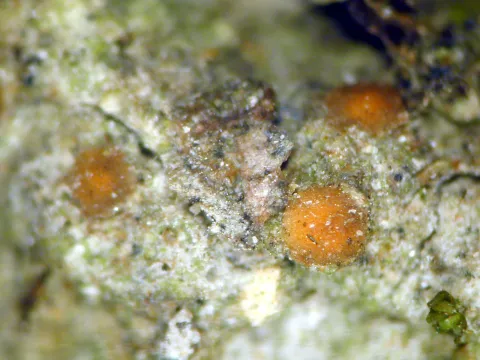
The fungus produces small, disk-like fruiting bodies known as apothecia. These are typically black or dark brown and emerge through the bark when the fungus reaches its reproductive phase.
The mycelium of the pathogen colonizes the living tissues under the bark, leading to metabolic disturbances. It effectively disrupts the plant's nutrient and water transport system within the affected area.
This fungus is widely recognized as a facultative parasite, meaning it thrives on trees that are already weakened by abiotic factors like drought, frost, or physical damage.
The dispersal of the pathogen occurs primarily through spores (ascospores) disseminated by wind and rainfall, allowing it to colonize fresh wounds on susceptible hosts.
The hallmark of a Biatorella infection is the development of localized bark necrosis. Initially, the area may show a slight discoloration, turning brown or reddish-brown.
As the disease progresses, the bark in the affected zone becomes sunken and develops distinct cracks, eventually forming open lesions or cankers.
Small black dots, which are the apothecia of the fungus, appear scattered or in clusters on the surface of the dead bark within the lesions.
Tree canopy symptoms include yellowing of the leaves (chlorosis) and early leaf drop, particularly on branches where the bark has been girdled by the fungal lesion.
If the infection occurs on the main trunk, the long-term impact involves the death of tissues beneath the bark, which can eventually lead to the girdling of the tree.
High humidity and prolonged periods of rainfall are critical environmental factors that promote the growth and colonization of Biatorella rousselii.
Winter damage, such as sunscald or frost cracks, provides entry points for fungal spores. These wounds often remain moist, creating a perfect environment for the fungus to establish itself.
Poor orchard or forest management, such as a lack of proper pruning and canopy thinning, limits airflow, which leads to prolonged humidity retention on the trunks and branches.
Trees that are nutritionally stressed or suffering from poor soil quality exhibit reduced defense mechanisms, making them more susceptible to opportunistic pathogens like Biatorella.
The presence of old, dead bark and uncollected debris from previous infections serves as a primary reservoir for the pathogen, allowing it to persist from one season to the next.
The primary harm caused by Biatorella is the decline of tree vitality. The lesions interfere with the upward and downward flow of sap, starving the tree of essential nutrients.
Chronic infections lead to the death of major branches, which significantly reduces the tree's overall leaf area and photosynthetic capacity, impacting growth.
For fruit-bearing trees, the economic impact is substantial, as the disease reduces fruit yield and quality, often rendering the fruit unsuitable for market.
In ornamental and landscape settings, the presence of visible cankers and dieback detracts from the aesthetic value and can ultimately necessitate the removal of the tree.
If left untreated, the pathogen can spread through the entire tree population, particularly in high-density plantings, leading to widespread decline.
Proactive cultural management is the best defense. Maintaining tree vigor through proper fertilization and irrigation helps the plant develop a natural resistance to the pathogen.
Sanitation is crucial; all affected branches should be pruned back to healthy tissue and removed from the site. Tools must be disinfected after each cut to prevent cross-contamination.
Wounds caused by pruning or environmental damage should be treated with protective dressings or wound sealants to prevent the entry of fungal spores.
Preventative applications of copper-based fungicides or appropriate systemic treatments can protect trees during high-risk periods, such as early spring or post-harvest.
Regular maintenance, including bark cleaning and the removal of dead wood and leaf litter, minimizes the inoculum pressure and creates a hostile environment for the fungus.