
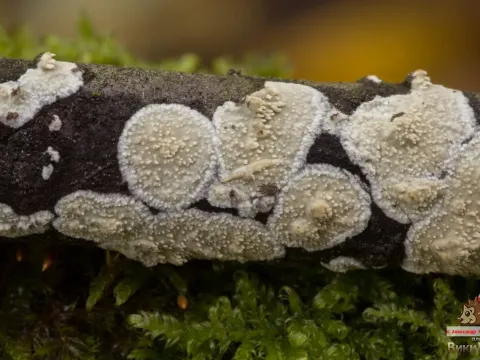
Basidioradulum radula
Basidioradulum radula
Basidioradulum radula is a wood-decaying basidiomycete fungus belonging to the Schizoporaceae family. This organism typically acts as a saprotroph but can switch to a parasitic lifestyle on weakened woody plants.
What the section contains
Basidioradulum radula
The pathogen causes white rot, effectively decomposing lignin and cellulose within the wood structure. It spreads via basidiospores that are dispersed by wind and rain, infecting trees through wounds, pruning cuts, or frost cracks.
The fungus produces distinctive resupinate fruit bodies that are often leathery, tightly attached to the substrate, and characterized by a bumpy, tooth-like surface texture.
The mycelium colonizes the inner tissues of the tree, spreading throughout the vascular system. As the fungus secretes enzymes, it degrades the wood, turning it into a fragile and fibrous mass that loses its mechanical strength.
A key biological feature of this pathogen is the high resilience of its spores to varying temperatures. This adaptability allows the fungus to remain viable for long periods, even under adverse environmental conditions.
The primary symptom is the appearance of specific fruit bodies on the surface of the bark or dead wood. These structures are creamy or yellowish-white in color and feature numerous small tooth-like projections.
As the infection progresses, the wood displays characteristic discoloration. It often turns whitish and develops dark zone lines, which delineate areas where the mycelium has aggressively colonized the tissue.
Bark death and cracking are frequent visual indicators. The presence of the mycelium beneath the bark often leads to splitting, which creates entry points for secondary pathogens and wood-boring insects.
The host tree exhibits signs of general decline, including reduced shoot growth, chlorosis, and smaller leaf size. As the vascular system becomes compromised, the crown becomes sparse, and distal branches may begin to die back.
In advanced cases, the internal wood becomes soft and crumbly. On cross-sections, the loss of structural integrity is evident, posing a severe risk of trunk or branch breakage during strong winds.
High humidity significantly favors the development of Basidioradulum radula. The fungus spreads most actively when air humidity exceeds 70%, particularly in dense, shaded areas with poor airflow.
Mechanical damage is a major predisposing factor. Improper pruning, bark sunscald, and rodent damage provide the necessary entry wounds for fungal spores to establish an infection.
Tree stress caused by extreme winter cold or summer droughts increases susceptibility. Healthy, vigorous trees possess defense mechanisms that effectively limit the expansion of the fungal mycelium.
The proximity of infected old trees or accumulation of woody debris acts as a primary reservoir for the fungus. It can persist for years on stumps and fallen logs, serving as a continuous source of inoculum.
The optimal temperature range for mycelial growth is between 15 and 25 degrees Celsius. However, spores remain highly resilient and capable of germination even at significantly lower temperatures.
The primary danger lies in the gradual loss of the tree's structural integrity. Internal decay is often hidden from view, and the problem is frequently discovered only after significant damage has occurred.
In fruit trees, the infection reduces yields and fruit quality. Vascular dysfunction hampers the transport of water and essential nutrients, leading to poor tree development and reduced productivity.
The infection of structural limbs poses a severe risk of limb failure under the weight of a crop or snow. This destroys the tree's architecture and can lead to the total loss of the specimen.
In nurseries, the pathogen is devastating as it can spread rapidly among saplings, leading to the loss of entire batches of planting material and significant economic impact.
Continued fungal activity eventually leads to the premature death of the tree, necessitating expensive removal and replacement of mature plants in the orchard or landscape.
Good horticultural practice is the best defense. Regular sanitary pruning to remove infected branches, followed by immediate destruction of the material, significantly lowers the infection pressure.
All pruning cuts and bark injuries must be promptly treated. Using wound dressings or antiseptic pastes creates a protective barrier against spore colonization.
Tool hygiene is critical; pruning equipment should be disinfected with alcohol or chlorine-based solutions between trees to prevent cross-contamination.
Maintaining tree vigor through appropriate fertilization and irrigation improves natural resistance, enabling the tree to heal wounds more effectively and resist fungal invasion.
If large fruit bodies are identified, they should be removed, and the infected wood should be surgically cleaned back to healthy tissue. In cases of extensive trunk decay, the entire tree should be removed to protect neighbors.