
Basidiomycota
Basidiomycota
The phylum Basidiomycota includes some of the most destructive plant pathogens, primarily responsible for rust and smut diseases across a wide range of agricultural crops.
What the section contains
Basidiomycota
These fungi are characterized by the production of basidia and specialized spores, often featuring complex life cycles involving multiple hosts and different spore stages.
Infection typically occurs through natural openings like stomata or by direct penetration of the epidermis during the germination of seeds or active shoot growth.
As obligate biotrophs, these pathogens rely entirely on the host plant for nutrition, extracting nutrients from living cells and causing systemic damage throughout the plant tissue.
The classification includes major orders such as Pucciniales and Ustilaginales, which have co-evolved with cereals and other staple crops, constantly challenging plant resistance.
The primary clinical signs of infestation are the formation of pustules, which appear as rusty, orange, or black powdery patches on the surface of leaves and stems.
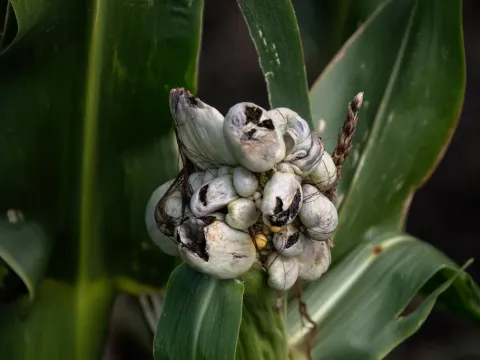
Smut diseases are characterized by the conversion of reproductive organs, such as ears or kernels, into a dense, black mass of teliospores, effectively destroying the yield.
Infected plants often exhibit stunted growth, chlorosis, and wilting, as the fungus disrupts the host's ability to conduct photosynthesis and transport water effectively.
Visual identification is usually straightforward once sporulation begins, as the spore masses are easily dislodged and dispersed by wind or physical movement.
- presence of colorful powdery pustules;
- transformation of grains into spore masses;
- abnormal tissue distortion and necrosis;
- overall decline in vegetative vigor.
Most Basidiomycota pathogens thrive under conditions of high humidity and persistent leaf wetness, which are essential for spore germination and infection.
Ambient temperatures ranging from +15°C to +22°C are generally considered optimal for the rapid colonization and spread of these fungal pathogens within a field.
High-density planting, inadequate spacing, and excessive nitrogen fertilization create a microclimate conducive to disease development by increasing canopy humidity.
Long-distance dissemination of spores is facilitated by wind currents, making the regional spread of rust diseases a major concern for cross-border agricultural safety.
Poor crop rotation practices and the presence of volunteer plants or weeds serve as reservoirs, allowing the pathogen to persist and re-infect subsequent seasons.
The economic impact of Basidiomycota is immense, with potential yield losses reaching up to 80% during severe epidemics, devastating the income of agricultural enterprises.
Beyond quantity, the quality of the harvest is severely degraded, resulting in low test weight, reduced nutritional value, and poor seed viability for the next season.
Infected plants suffer from severe physiological stress, as the fungus diverts resources from reproductive growth to its own massive spore production.
Certain smut-infected grains may be toxic or contaminated with mycotoxins, making the crop unsuitable for human consumption or animal feed processing.
Increased production costs arise from the constant need for fungicide applications and the necessity of investing in expensive, resistant germplasm breeding.
The primary defense strategy is the utilization of resistant crop varieties, which have been bred to possess specific genes that confer immunity against prevalent races.
Seed treatment using systemic fungicides is a mandatory practice for preventing early-season infections and ensuring the establishment of healthy seedlings.
Cultural practices, including deep plowing of crop residues, strict adherence to crop rotation, and weed control, are essential for reducing initial inoculum levels.
Foliar application of triazole or strobilurin-based fungicides during critical growth stages is effective in suppressing the spread of the pathogen during wet seasons.
Ongoing monitoring and early warning systems are crucial for managing outbreaks, allowing farmers to apply targeted interventions before the infection reaches epidemic proportions.