
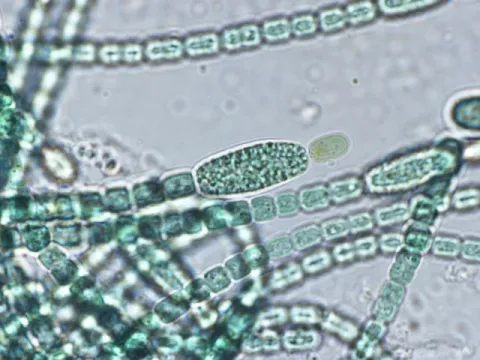
Tolypothrix
Tolypothrix
Tolypothrix is a genus of filamentous cyanobacteria (blue-green algae) that are frequently encountered in flooded agricultural systems, particularly in rice paddies.
What the section contains
Tolypothrix
These organisms are known for their ability to perform photosynthesis and fix atmospheric nitrogen, which allows them to thrive in nitrogen-limited aquatic environments.
Biologically, Tolypothrix filaments exhibit false branching, forming dense, tangled mats that can cover significant areas of the water surface in flooded fields.
While they are natural components of wetland ecosystems, in commercial rice cultivation, they are treated as an invasive biological factor that interferes with crop development.
Their resilience to high temperatures and variable light intensity makes them persistent colonizers of shallow water systems, requiring careful management by agronomists.
The primary symptom of a Tolypothrix bloom is the appearance of dark green or brownish slimy mats floating on the surface of the irrigation water.
In cases of heavy infestation, these algal mats can trap rice seedlings, physically obstructing their growth and preventing them from reaching sufficient light levels.
Plants affected by the presence of dense algal colonies often exhibit stunted growth, chlorosis, and general signs of nutrient and light deficiency.
When the water level drops, the dried algae form a tough, crusty layer on the soil surface, which can restrict gas exchange and root development in young rice plants.
- Surface mats of dark green algae.
- Trapped seedlings underneath algal rafts.
- Stunted and discolored rice foliage.
- Crust formation on the soil after water recession.
The proliferation of Tolypothrix is favored by stagnant or slow-moving water, which provides a stable environment for colonization during the early stages of rice growth.
High levels of solar radiation combined with warm water temperatures trigger rapid biomass accumulation and photosynthetic activity of the cyanobacteria.
Excessive nutrient levels in the water, especially phosphates and nitrates applied as fertilizers, create ideal conditions for explosive population growth.
Low rice density in the early weeks post-planting leaves the water surface exposed to direct sunlight, directly promoting the growth of phototrophic algae.
Poor water management practices, such as maintaining shallow standing water during hot weather, significantly accelerate the colonization process of these organisms.
The main harm caused by Tolypothrix is direct competition for light and nutrients, which are critical for the establishment of young rice crops.
By forming dense mats, they prevent the penetration of sunlight, causing seedlings to become etiolated, weakened, and more susceptible to secondary pathogenic infections.
The metabolic activities of these cyanobacteria can alter the chemical balance and pH levels of the water, affecting the efficiency of nutrient uptake by the rice root system.
The massive decay of algal biomass can result in localized hypoxia (oxygen depletion) in the water, creating stress conditions for the growing rice crop.
Overall, uncontrolled algal blooms lead to poor crop stand establishment, reduced tillering, and substantial losses in potential grain yield and quality.
Proper water management, such as maintaining adequate water circulation and avoiding stagnant conditions in the early growth stages, is crucial for control.
The application of selective algaecides or herbicides with algicidal properties is the most effective chemical method for managing Tolypothrix blooms in rice fields.
Agronomic practices, including precise fertilization to avoid excess phosphorus in the water, help reduce the substrate available for algal growth.
Ensuring rapid canopy closure through optimized seeding dates and planting densities helps shade the water, naturally suppressing the growth of light-dependent algae.
Integrated pest management, combining mechanical adjustments to water levels and targeted chemical treatments, is essential for maintaining healthy and productive rice fields.