
Thiobacillus
Thiobacillus
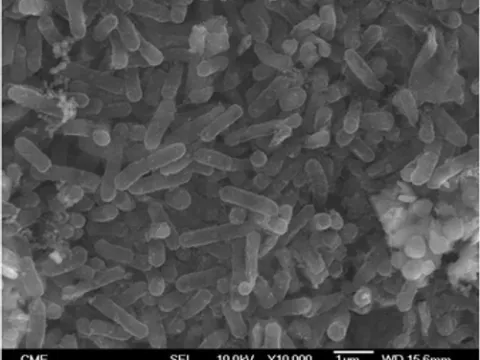
Thiobacillus bacteria are a genus of Gram-negative, rod-shaped proteobacteria that play a crucial role in the biogeochemical sulfur cycle in soil.
What the section contains
Thiobacillus
These organisms are not plant pathogens, as they do not attack living plant tissues to obtain nutrients or induce disease symptoms like necrosis.
They function as chemolithoautotrophs, obtaining energy by oxidizing reduced inorganic sulfur compounds, such as sulfides and elemental sulfur, into sulfates.
Their presence is vital for soil fertility because they transform sulfur into a form that is readily absorbable and usable by various crops.
Interaction with the root system occurs primarily through environmental modifications, as these bacteria reside mainly in the rhizosphere of plants.
The growth of Thiobacillus is heavily dependent on the presence of sulfur sources, proper aeration, and a moisture-rich environment within the soil profile.
While they generally thrive in neutral to slightly alkaline soils, their metabolic activity produces sulfuric acid, which naturally lowers the local pH.
Application of sulfur-based fertilizers or soil amendments significantly stimulates the population growth and oxidative activity of these bacteria.
Optimal temperature conditions for their metabolic processes range from 20 to 30 degrees Celsius, typical for active biological growth in agricultural soils.
Soil structure, specifically pore space that allows oxygen circulation, is a limiting factor for their development since they require oxygen for oxidation.
The primary concern regarding their activity is the potential for rapid soil acidification, which can disrupt nutrient uptake mechanisms in sensitive crops.
Localized lowering of pH can lead to the mobilization of heavy metals or the inhibition of essential mineral ions, resulting in stunted plant growth.
Excessive sulfate concentrations in the soil solution can occasionally create osmotic stress, interfering with the plant's ability to take up water efficiently.
Disruption of the native microbial community may occur if the rapid acidification of the rhizosphere suppresses beneficial nitrogen-fixing bacteria.
In extreme cases, continuous metabolic acid production can cause structural degradation of the soil profile, affecting its overall agricultural potential.
Routine monitoring of soil pH is the most effective way to detect and manage the influence of sulfur-oxidizing bacteria on agricultural fields.
Liming procedures, including the application of dolomite or lime, are essential for neutralizing excess acidity and maintaining an optimal soil balance.
Precision agriculture practices, such as calculating sulfur fertilizer rates based on soil tests, prevent the over-stimulation of bacterial populations.
Maintaining proper soil drainage helps ensure that environmental conditions remain stable, preventing the development of excessively acidic microsites.
Incorporating organic matter enhances the soil's buffering capacity, which protects root systems from sudden fluctuations in acidity caused by microbial metabolic shifts.