
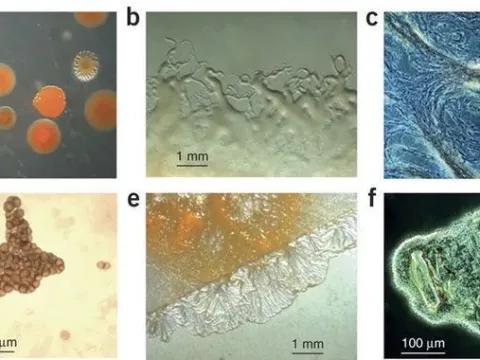
Sorangium cellulosum
Sorangium cellulosum
Sorangium cellulosum is a soil-dwelling myxobacterium, primarily recognized for its potent ability to decompose complex organic matter.
What the section contains
Sorangium cellulosum
Unlike common phytopathogens, it does not attack living plant tissues but rather acts as a beneficial decomposer of cellulose-rich plant residues.
This bacterium is scientifically notable for possessing one of the largest bacterial genomes, which encodes a vast array of hydrolytic enzymes.
By producing extracellular enzymes, Sorangium cellulosum breaks down plant cell walls, facilitating the nutrient cycling process within the soil profile.
It thrives in soil environments rich in organic matter, where it contributes significantly to the formation of soil structure and humus content.
The population growth of Sorangium cellulosum is highly dependent on the availability of substrate, specifically plant-derived cellulose sources.
These bacteria prefer moist, aerated environments that support their aerobic metabolic pathways and gliding motility across soil particles.
Optimal environmental temperatures, typically ranging within moderate levels, are essential for their metabolic speed and enzyme production.
Soil pH and availability of auxiliary mineral nutrients like nitrogen and phosphorus also influence the colonization efficiency of these bacteria.
Environmental stress, such as extreme desiccation or waterlogging, can inhibit their activity, slowing down the decomposition of crop residues.
The primary concern regarding Sorangium cellulosum in agriculture is not pathogenicity but the potential for transient nutrient immobilization.
During the rapid decomposition of heavy crop residues, the bacteria utilize available soil nitrogen for their own growth, leading to nitrogen deficiency in crops.
This phenomenon, known as nitrogen robbery, can negatively affect early growth stages of sensitive agricultural plants if soil nitrogen is not supplemented.
Because the bacteria are not plant parasites, no fungicidal or bactericidal control is required for the health of the plants themselves.
The potential harm is purely manageable through agronomic adjustments to the nitrogen balance in the field following heavy residue incorporation.
As Sorangium cellulosum is a beneficial soil inhabitant that drives soil fertility, no control measures to eliminate it are necessary or recommended.
To mitigate potential nitrogen immobilization, farmers should apply nitrogen-rich fertilizers when incorporating significant amounts of crop residues.
Ensuring even distribution and fine shredding of harvest residues optimizes the interaction surface for these bacteria and speeds up decomposition.
Maintaining balanced soil aeration through proper tillage practices helps ensure these bacteria perform their role efficiently without causing imbalances.
- Supplement nitrogen during residue incorporation.
- Improve residue shredding before tillage.
- Monitor soil fertility and organic matter levels regularly.