
Hydrococcaceae
Hydrococcaceae
The term Hydrococcaceae in a phytopathological context refers to a group of microorganisms, including certain algae and fungus-like entities, that act as plant pathogens. These organisms typically thrive in environments with excessive moisture and high humidity.
What the section contains
Hydrococcaceae
This pathogen acts as a facultative parasite, capable of surviving in soil or on crop debris during adverse conditions. It penetrates plant tissues via stomata or micro-injuries in the cuticle, disrupting the host's normal physiological functions.
The biological lifecycle of the pathogen involves the production of zoospores, which are highly motile in aqueous environments. This mobility allows the pathogen to spread rapidly across fields during periods of heavy dew or rainfall.
The pathogen forms specialized resting structures that enable it to persist in the field between growing seasons. These structures are resistant to temperature fluctuations, ensuring a continuous inoculum source for subsequent crops.
Genetic diversity within the pathogen population facilitates rapid adaptation to fungicides, making it a significant challenge for modern plant protection programs and requiring integrated management strategies.
The initial signs of infection are small, water-soaked spots on leaves and young stems. These spots often develop a greasy texture and expand rapidly under conditions of high humidity, indicating successful colonization of the host.
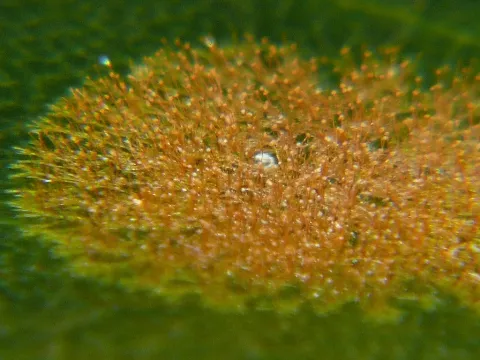
As the disease progresses, a distinct layer of growth appears on the surface of the lesions. This layer, which may range from whitish to olive-grey, represents the mass sporulation of the pathogen, signalling an active epidemic phase.
Stem tissues affected by the pathogen undergo softening and decay. This structural compromise often leads to wilting, even when soil moisture levels are adequate, as the vascular system loses its integrity.
A common diagnostic feature is the sharp contrast between necrotic areas and healthy tissue. The edges of the lesions may develop a yellowish halo, representing the plant's stress response to toxins released by the pathogen.
- Water-soaked, greasy-looking spots
- Greyish or olive-colored sporulation layer
- Softening and decay of stems
- Wilting despite sufficient irrigation
High relative humidity, typically exceeding 85%, is the primary environmental driver for the development and spread of this disease. Such conditions provide the necessary moisture film for zoospore movement.
Moderate temperatures ranging from 18 to 22 degrees Celsius create the ideal window for the pathogen's metabolic activity. Within this range, the generation time of the pathogen is significantly reduced, accelerating infection rates.
Poor ventilation in greenhouses or high-density field planting creates microclimates where humidity remains high for extended periods. This lack of airflow prevents foliage from drying out, facilitating continuous infection cycles.
Excessive nitrogen fertilization often results in succulent, thin-walled tissues that are highly susceptible to penetration. Proper nutrient balance is essential to maintain structural integrity and natural resistance in crops.
The presence of crop debris serves as a major reservoir for the pathogen. Failure to implement proper rotation cycles allows the inoculum level to build up in the soil, leading to severe outbreaks in subsequent years.
The primary harm caused by the disease is the severe reduction in photosynthetic surface area, which hinders the plant's ability to accumulate biomass. This results in stunted growth and significant yield losses.
The weakened state of the plant makes it susceptible to secondary infections by opportunistic bacteria and fungi. This secondary colonization often complicates the disease picture and increases the total damage to the crop.
The quality of the harvested produce is heavily compromised due to changes in tissue chemistry. Affected produce often fails to meet market standards and has a reduced shelf life, leading to post-harvest losses.
Economic losses are compounded by the high costs associated with intensive fungicide treatments. When left uncontrolled, the disease can cause total crop failure in highly susceptible varieties.
Seed-borne infection is a critical issue that compromises the vitality of future plantings. Seeds collected from infected crops can carry the pathogen, effectively spreading the disease to new, previously clean areas.
Effective control begins with the selection of resistant cultivars and the use of certified, disease-free seed stock. These preventative measures form the foundation of any sustainable management program.
Cultural practices such as proper spacing and field drainage are crucial for reducing the microclimate moisture. Ensuring adequate airflow helps keep the leaf surface dry, inhibiting the movement of spores.
Chemical intervention involving systemic fungicides is necessary during the early stages of disease development. Applications must be timed based on environmental monitoring and professional scouting reports to maximize efficacy.
Integrated pest management (IPM) incorporates biological control agents, such as beneficial fungi or bacteria, which can suppress the pathogen's activity without the use of harsh chemicals.
Rigorous field sanitation, including the removal and destruction of crop residues, is essential to break the pathogen's lifecycle. Deep plowing can further help by burying infected debris and accelerating its decomposition.