
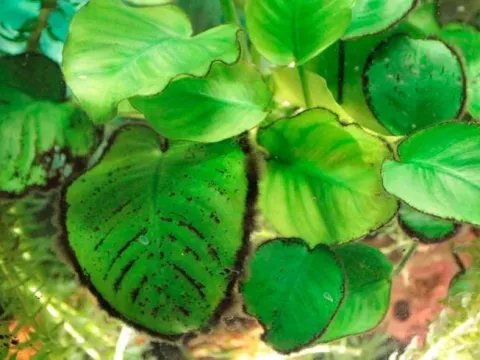
Homoeothrix
Homoeothrix
Homoeothrix is a genus of filamentous cyanobacteria that, in agricultural contexts, acts as a pathogen or epiphyte affecting aquatic and semi-aquatic crops.
What the section contains
Homoeothrix
Unlike traditional fungal pathogens, these organisms are prokaryotes capable of photosynthesis, which dictates their specific niche in agricultural ecosystems.
Biologically, they form colonies consisting of fine, unbranched filaments that attach to the surface of plants, creating a dense, often slimy biological layer.
The disease is classified as a superficial infection that severely restricts gas exchange and disrupts the photosynthesis process in plant tissues.
The dispersal of the pathogen is primarily driven by water currents in irrigation systems, ponds, or areas with persistent soil saturation.
The primary symptom of infection is the emergence of a slimy, blue-green, or dark-colored coating on leaves, stems, or submerged plant organs.
As Homoeothrix colonies expand, the plant surface becomes slippery to the touch, making early visual detection essential for successful intervention.
Leaves begin to show signs of chlorosis as the thick layer of filaments blocks sunlight from reaching the epidermal cells, inhibiting chlorophyll function.
In severe infestations, plants exhibit stunted growth, wilting, and subsequent necrosis of tissues covered by the filamentous colonial structure.
Crops grown in hydroponic systems or fields with stagnant water are most susceptible to colonization by this opportunistic microorganism.
The proliferation of Homoeothrix is closely linked to high humidity and the presence of excess nutrients, particularly phosphorus and nitrogen, in irrigation water.
Optimal temperatures for the rapid growth of these colonies range from +20°C to +28°C, which is common during the peak growing season.
Stagnation in water reservoirs and irrigation channels provides the perfect environment for the buildup of pathogen biomass and subsequent spread to crops.
Poor water aeration and inadequate filtration systems significantly increase the risk of massive contamination in high-density crop production areas.
Agronomic practices that lead to waterlogging in the root zone create ideal conditions for the colonization of the base of the plant stems.
The main threat posed by Homoeothrix is the significant retardation of plant growth and development due to the inhibition of photosynthesis.
By impeding plant respiration and gas exchange, the pathogen weakens the host plant, making it more vulnerable to secondary bacterial and fungal infections.
Economic damage is primarily driven by the loss of commercial quality, especially in leafy greens, aquatic ornamentals, and hydroponic-grown produce.
In seedlings, the physical blockage of stomata by the filamentous layer can cause rapid wilting and the total loss of the young plants.
Persistent infestations lead to lower overall yields and reduced crop vigor, requiring long-term management of the growing environment to restore productivity.
Regular maintenance, cleaning, and disinfection of irrigation infrastructure and water storage tanks are the most effective preventive measures.
Strict monitoring and management of nutrient concentrations in irrigation water are essential to prevent eutrophication, which triggers pathogen growth.
The application of copper-based agents, approved for use on specific crops, can be highly effective in controlling filamentous cyanobacteria at the early stages.
Improving aeration in hydroponic systems and ponds is critical, as active water movement prevents the attachment of Homoeothrix filaments to host tissues.
- Conduct regular crop inspections for slimy surface films.
- Utilize water filtration to minimize organic debris in irrigation systems.
- Promptly remove and dispose of heavily infected plant material.