
Candidatus Liberibacter
Candidatus liberibacter
Candidatus Liberibacter species are non-culturable, gram-negative bacteria that function as obligate intracellular parasites inhabiting the phloem tissues of their host plants.
What the section contains
Candidatus Liberibacter
Several significant species exist, including Ca. L. asiaticus, Ca. L. americanus, and Ca. L. africanus, all of which are associated with the devastating Citrus Greening disease (Huanglongbing).
Another prominent species, Ca. L. solanacearum, poses a major threat to crops such as potatoes, tomatoes, and peppers, causing systemic infection and yield collapse.
The bacteria lack the ability to survive outside of the host plant or the insect vector, making them entirely dependent on these organisms for their life cycle and spread.
Transmission occurs exclusively through the feeding activity of specific insect vectors, primarily psyllids, which inject the bacteria directly into the plant vascular system.
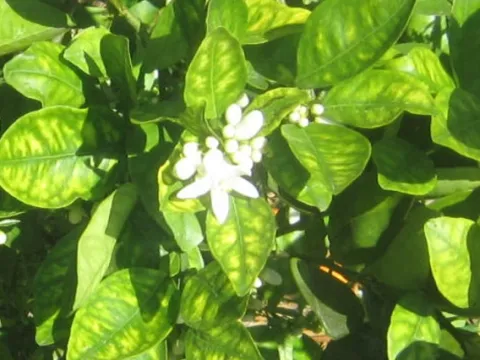
The characteristic symptoms include blotchy mottle chlorosis on leaves, often leading to a yellowing pattern that is easily confused with nutrient deficiencies.
In citrus, fruit production is severely impacted, with the resulting fruits being small, asymmetrical, bitter, and prone to premature fruit drop.
For solanaceous crops, infected plants exhibit stunted growth, upward rolling and curling of leaves, and an unusual purplish or yellow discoloration of the foliage.
Cross-sectioning of stems or fruit often reveals darkened or necrotic vascular bundles, which signifies the disruption of nutrient and water transport.
Over time, the affected plant experiences progressive canopy dieback, eventual starvation of the roots, and complete plant death.
The spread of these pathogens is strictly linked to the population dynamics and migration patterns of the vector psyllids.
Warm and humid climatic conditions create an ideal environment for the rapid multiplication of insect vectors, thereby increasing the speed of disease transmission in fields.
The presence of wild plant hosts serves as a reservoir, allowing the pathogen to persist in the landscape even when primary commercial crops are not present.
Environmental stress and poor agricultural management can exacerbate the symptoms and speed up the decline of infected plant specimens.
Global trade and the movement of nursery stock are the primary vehicles for the introduction of these bacteria into previously non-infested geographical regions.
Candidatus Liberibacter is globally recognized as one of the most destructive plant pathogens, causing billions of dollars in losses to the citrus industry.
In vegetable production, the impact can be equally catastrophic, with whole fields being rendered unmarketable due to systemic infection and fruit quality degradation.
The persistent nature of the pathogen makes it extremely difficult to manage once it is established, often necessitating the complete removal of orchards or fields.
The economic harm extends beyond yield loss to the increased costs associated with pest control and the implementation of strict regional quarantine protocols.
The inability to cure infected plants makes it a high-risk pathogen that threatens the stability of food security in many affected regions.
Management focuses on preventive strategies, as there is currently no effective chemical cure once a plant becomes systemically infected.
Strict quarantine measures are essential to stop the movement of infested plant material and ensure that nurseries are kept free of the pathogen and its vectors.
- Utilizing only certified disease-free nursery stock for new plantings.
- Rigorous monitoring for psyllid activity using yellow sticky traps and visual inspection.
- Systemic insecticide applications to manage vector populations and reduce secondary spread.
- Prompt roguing and destruction of symptomatic plants to minimize the local inoculum source.
- Integrated Pest Management (IPM) practices to maintain plant vigor and reduce pest pressure.
Ongoing research is focused on developing resistant cultivars and biological control agents to mitigate the long-term impact of this devastating pathogen.