
Candidatus Arsenophonus
Candidatus arsenophonus
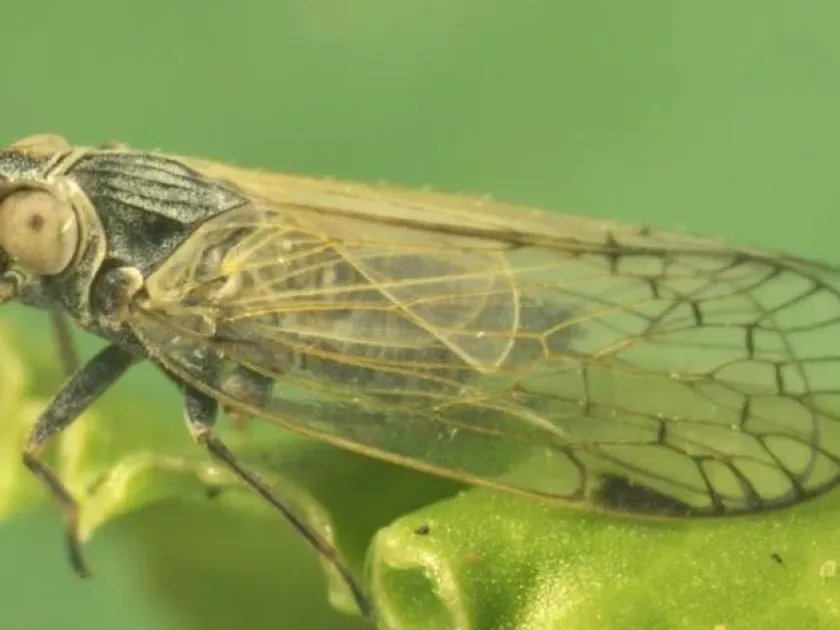
Description
Symptoms
Plants affected by pathogens associated with these vectors exhibit typical symptoms of systemic phloem infections. The primary sign is extensive chlorosis and discoloration of the leaf tissues.
Witches' broom symptoms are frequently observed, characterized by excessive, abnormal branching and the formation of numerous weak, stunted shoots from axillary buds.
Significant growth retardation is common, leading to a dwarf habit. Affected plants often fail to reach their full physiological maturity, displaying abnormal development throughout the season.
Reproductive symptoms include the deformation of flowers, which often lose their natural appearance and become sterile, resulting in a total lack of yield.
- Yellowing and necrosis of leaves
- Stunted growth and dwarfism
- Proliferation of lateral shoots
- Flower sterility
- Premature plant wilting
Pathogen
Candidatus Arsenophonus is a genus of endosymbiotic bacteria inhabiting various arthropods. These microorganisms are known as secondary symbionts that significantly influence the biology of their insect hosts.
These bacteria are closely associated with the transmission of phytoplasma diseases in agricultural crops. They manipulate the insect's physiology, increasing the efficiency of plant pathogen inoculation during feeding.
The disease type involves systemic colonization of the plant's phloem. The bacteria reside within the salivary glands of the vector, which facilitates the horizontal transmission of the infection between plants.
Unlike traditional pathogens, Candidatus Arsenophonus acts as a helper agent, enhancing the ability of vectors to transmit more virulent plant pathogens. Their presence is often linked to the survival and fecundity of the insect host on specific hosts.
The classification of this object is strictly molecular, as the bacteria are non-culturable in laboratory conditions, requiring advanced diagnostic techniques for identification.
Conditions for development
The spread of infections facilitated by this bacteria is heavily dependent on the presence of specific insect vectors, such as leafhoppers, which thrive in moderate to high temperatures.
Optimal environmental conditions include temperatures ranging from +20°C to +30°C. Warm and dry weather patterns promote the migration of insect populations, leading to rapid field-wide dissemination.
Wild host plants and weeds surrounding cultivated fields serve as natural reservoirs for both the bacteria and their insect vectors during the off-season or winter period.
Dense crop canopies and high humidity levels provide an ideal microenvironment for insect reproduction, significantly increasing the pressure of potential infections.
Agricultural management practices, such as the proximity of monocultures and poor sanitation around field borders, contribute to the persistence of the pathogen in the local ecosystem.
Why it matters
The primary harm is the induction of incurable phytoplasma-like diseases that cause systemic collapse of the plant's vascular system, preventing nutrient transport.
Crop losses are severe, often reaching total destruction of the marketable yield. Infected products are usually unmarketable due to severe deformation and stunted growth.
The bacterial presence alters the plant's defense mechanisms, making it more susceptible to secondary attacks by other fungal or bacterial diseases, accelerating plant death.
These outbreaks often require long-term management strategies, as the pathogen becomes entrenched in the insect populations and the surrounding reservoir host plants.
Economic sustainability of affected farms is severely impacted, often forcing growers to abandon certain crops in areas where the vector pressure remains high.
Protection
Control strategies focus primarily on the suppression of insect vector populations using targeted systemic insecticides during the peak activity periods of the pests.
Rigorous weed management is essential to eliminate natural reservoirs of the bacteria, reducing the initial inoculum source at the beginning of the growing season.
Implementing spatial isolation measures between sensitive crop fields and natural habitats of vectors is a highly effective way to prevent the migration of infected insects.
The use of certified, disease-free planting material is the most critical preventive step for managing systemic bacterial and phytoplasma-associated infections.
Monitoring the presence of vectors using sticky traps helps in making timely decisions for protective treatments, thereby curbing the potential spread of the disease.
Discussion
No discussions yet — be the first.