

Description
Symptoms
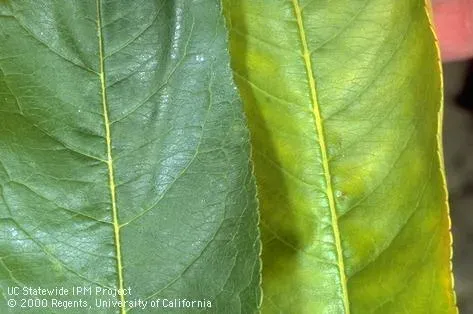
The primary symptom of this disease is the characteristic yellowing of foliage, which typically starts at the leaf margins and spreads inwards.
As the infection progresses, the leaves become thickened, leathery, and fragile, exhibiting a distinct change in texture compared to healthy plants.
Severe infestations often cause proliferation of the central rosette, resulting in a bushy, stunted appearance frequently referred to as witches' broom.
The development of the taproot is significantly hampered, leading to smaller, woody roots that lack the nutritional value required for animal feed.
- yellowing of leaf margins
- thickening of leaf blades
- stunted root development
- witches' broom effect
- overall plant chlorosis
Pathogen
Beet yellows is a systemic plant disease caused by specialized microorganisms known as phytoplasmas, specifically associated with Candidatus Phytoplasma asteris.
Phytoplasmas are unique prokaryotic organisms that lack a cell wall and reside exclusively within the plant's phloem tissues, disrupting nutrient transport.
These pathogens do not survive for long outside of their hosts, relying on both insect vectors and perennial weed reservoirs to maintain their life cycle.
Transmission occurs when leafhoppers feed on infected plant phloem, acquiring the phytoplasma which then colonizes the insect's salivary glands.
After a latent incubation period within the insect, the vector becomes capable of transmitting the disease to healthy beet plants during feeding.
Conditions for development
The incidence of beet yellows is closely correlated with warm and dry weather conditions that favor the activity and migration of leafhopper vectors.
High temperatures during the growing season accelerate both the reproduction of the insect vectors and the internal movement of phytoplasmas within the plant.
Weed-infested areas surrounding crop fields act as primary hubs where phytoplasmas overwinter and from which insect vectors migrate to beet fields.
Environmental stresses, such as drought, can exacerbate the impact of the disease by further weakening the beet plants' physiological defenses.
The timing of vector migration into the field is the most critical factor determining the severity of an outbreak in a given agricultural season.
Why it matters
Beet yellows causes severe economic losses by inhibiting the photosynthesis process and reducing the accumulation of carbohydrates in the root.
For forage beet, the primary loss is in biomass yield and nutritional quality, making the crop less effective for livestock feeding purposes.
The systemic nature of the infection leads to metabolic collapse, which often forces early senescence and death of the beet foliage.
Infested roots are susceptible to secondary rot pathogens during post-harvest storage, significantly shortening the shelf life of the harvested crop.
Large-scale outbreaks can lead to total crop failure, necessitating total replacement of the crop or significant reductions in final forage availability.
Protection
Effective management begins with aggressive weed control in and around the beet fields to eliminate primary reservoirs of the phytoplasma.
The use of insecticides targeting leafhopper populations is essential to break the transmission cycle, especially during peak migration periods.
Maintaining proper spatial isolation between beet fields and perennial grass pastures helps to reduce the ingress of vectors from neighboring areas.
Implementing a balanced fertilization program helps ensure that beet plants maintain vigor, potentially reducing the severity of disease impact.
Selecting tolerant or resistant varieties, where available, remains the most sustainable approach to long-term control of phytoplasma-related diseases.
In brief
1
Affects crops
Biology
Pathogens and affected parts
Pathogens
Affected plant parts
whole plant
Content graph
Affects crops · 1
Content graph
Connections · Beet yellows phytoplasma
Most often together:
Marketplace
Products · 2
Community
Discussion
No discussions yet — be the first.