
Cherry scab
Venturia cerasi
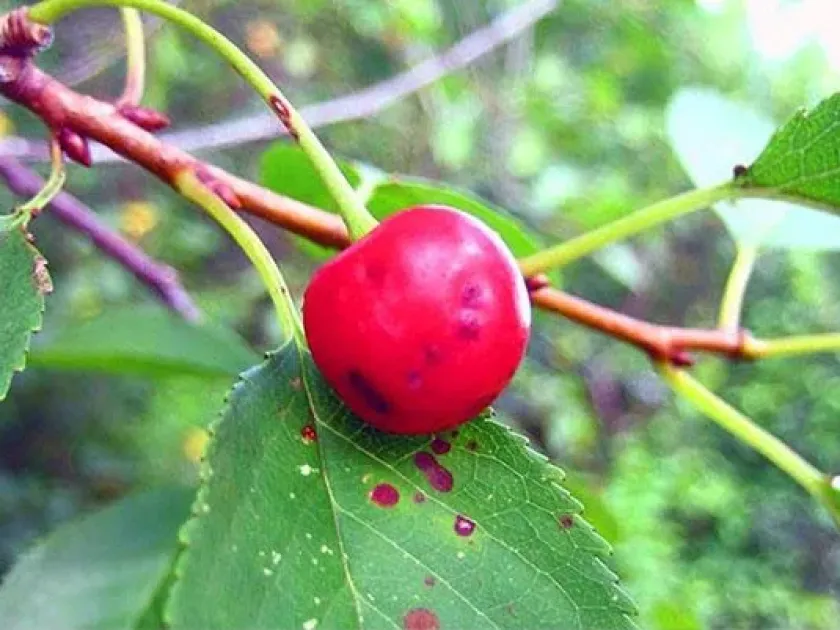
Description
Symptoms
The initial symptoms of cherry scab appear as small, chlorotic spots on the upper leaf surface. Over time, these spots darken and develop a characteristic olive-to-black velvety coating of fungal spores.
On the fruit, the disease manifests as round, dark-colored lesions. As the fruit matures and expands, these spots may crack, leading to significant deformation and making the cherries unattractive for consumption.
In cases of severe infection, leaves may turn yellow and drop prematurely. On young shoots, the infection can cause small ulcers or cankers, which serve as sites for the fungus to persist over the winter.
- Olive-black spots on leaf blades.
- Velvety fungal growth on the underside of leaves.
- Dark, sunken, or cracked lesions on fruit.
- Premature yellowing and leaf abscission.
- Lesions and necrotic spots on young twigs.
Early identification is crucial because once the spots cover a large portion of the leaf area, the photosynthetic capacity of the tree is significantly compromised, leading to weakened growth.
Pathogen
Cherry scab is caused by the fungus Venturia cerasi, an ascomycete pathogen. It is a specific disease affecting cherry trees, causing damage to both foliage and fruit throughout the growing season.
The fungus overwinters primarily in fallen leaves and on affected twigs as mycelium. During the spring, when temperatures rise and moisture is abundant, the fungus produces spores that initiate the primary infection.
These spores are dispersed by splashing rain and wind, landing on the tender tissues of newly developing leaves and green cherries. Once the spores germinate, the fungus penetrates the host tissue, establishing a parasitic relationship.
Throughout the summer, the fungus continues to produce secondary spores (conidia) in specialized structures, allowing the disease to spread rapidly within the canopy if environmental conditions remain favorable.
Understanding the life cycle of Venturia cerasi is essential for effective orchard management, as the timing of treatments depends directly on the stages of fungal development.
Conditions for development
The development of cherry scab is highly dependent on humidity and rainfall. The pathogen requires free water on the plant surface for spores to germinate and infect host tissues.
Optimal temperatures for the fungus typically range between 15°C and 22°C. Prolonged wet periods in the spring, combined with moderate temperatures, are the most significant drivers of disease outbreaks.
Orchards with high tree density and poor pruning practices often suffer more from scab due to restricted airflow, which keeps the foliage and fruit wet for longer periods after rainfall.
The accumulation of leaf litter under the trees creates a reservoir for the pathogen. If this debris is not cleared, the cycle of infection continues year after year, increasing the disease pressure.
Regions with frequent spring rains and humid summers are at the highest risk for severe cherry scab infestations, necessitating a more rigorous approach to disease prevention.
Why it matters
The primary economic impact of cherry scab is the loss of fruit quality. Deformed and blemished cherries are often unmarketable, leading to substantial financial losses for growers.
Reduced photosynthetic activity due to premature leaf loss inhibits the tree's ability to store energy for the next season, resulting in smaller fruit and lower yields in subsequent years.
Weakened trees become more susceptible to winter injury, as they fail to harden off properly before the onset of cold weather. This increases the risk of bud and limb mortality.
In nursery settings, cherry scab can stunt the growth of young trees, making them less vigorous and extending the time required to reach productive age.
Furthermore, the need for intensive fungicide spraying programs increases maintenance costs and impacts the overall sustainability of the orchard operation.
Protection
Sanitation is the most important cultural control method. Removing and destroying all fallen leaves at the end of the season significantly reduces the amount of inoculum available for the following spring.
Proper pruning is essential to improve airflow and sunlight penetration within the canopy. By opening up the tree structure, growers can ensure that foliage dries quickly after rain, limiting infection.
Chemical control involves the application of fungicides during critical growth stages, specifically before and after bloom. Preventive sprays are more effective than attempting to treat an established infection.
Copper-based products and modern systemic fungicides (such as triazoles or strobilurins) are commonly used to manage scab, providing protection during high-risk periods.
Selecting disease-resistant cherry cultivars is a proactive strategy. Planting varieties known to have lower susceptibility to Venturia cerasi reduces the reliance on chemicals and promotes a healthier orchard environment.
Discussion
No discussions yet — be the first.