
Crinipellis scabella
Crinipellis scabella
Description
Symptoms
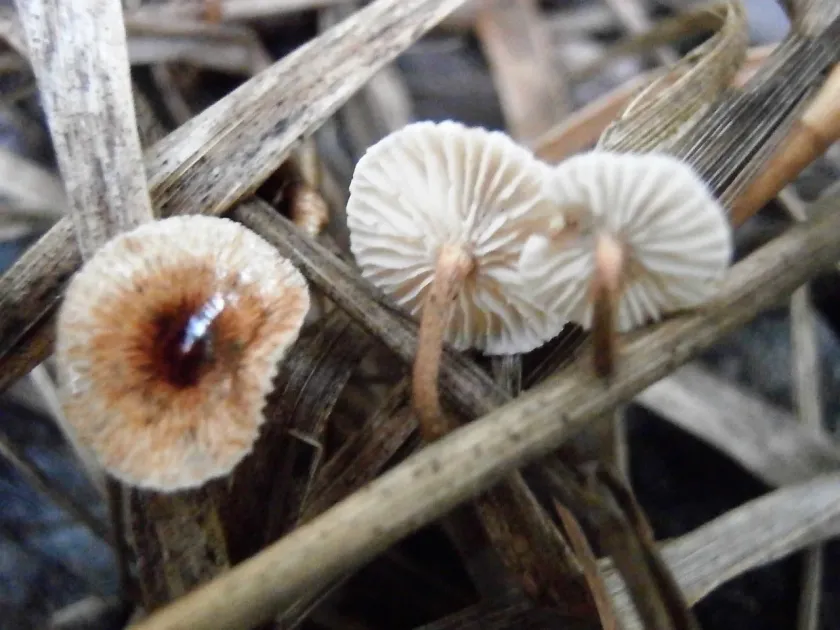
The most distinctive signs of Crinipellis scabella are the small, rough-textured fruiting bodies appearing on the lower parts of plant stems or on decaying plant debris.
In humid environments, infected stems may show a visible white or grayish mycelial mat. This growth is often located near the soil surface, where moisture levels remain consistently high.
Affected plants often exhibit premature yellowing of the lower leaves. This chlorosis is often a secondary symptom resulting from the impaired transport of water and nutrients through the stem.
Softening of the stem base is a critical indicator of fungal activity. This structural weakness often results in lodging, where crops lean or collapse entirely under their own weight.
Microscopic examination of the stubble may reveal the fine, hair-like structures that give the fungus its name, confirming its presence as a potential threat to plant health.
Pathogen
Crinipellis scabella is a basidiomycetous fungus belonging to the Marasmiaceae family. In agronomy, it is primarily recognized as a saprotrophic organism that colonizes crop residues, though it can exhibit pathogenic traits under specific conditions.
The fungus is characterized by its ability to decompose cellulose and lignin, making it an efficient decomposer of wheat stubble and other grassy debris. It produces fine, hair-like mycelium that permeates plant tissues.
Its life cycle involves the formation of small, hairy-surfaced fruiting bodies. These structures, while often inconspicuous, are key indicators of the fungal presence on the field surface after periods of rain.
As a facultative pathogen, it survives in the soil and on crop debris for extended periods. It exploits weakened plant tissues, transitioning from a saprotrophic to a opportunistic parasitic lifestyle.
Dissemination is achieved through the production of basidiospores. These spores are wind-dispersed, allowing the fungus to colonize new plant material effectively during periods of high atmospheric humidity.
Conditions for development
High humidity and consistent rainfall are the primary catalysts for Crinipellis scabella development. It thrives when the canopy and soil surface remain damp for extended periods.
The fungus prefers temperate climates with an optimal growth temperature between 15°C and 22°C. It remains dormant during periods of cold or extreme heat, surviving in the soil.
Conservation tillage practices, such as No-till, often leave large amounts of crop residue on the surface, providing a perfect substrate for the fungus to multiply and persist.
Dense crop stands that limit air circulation create a microclimate with stagnant, humid air, which significantly encourages spore germination and subsequent stem colonization.
Soil nutrient imbalances, particularly excessive nitrogen fertilization without proper potassium management, can lead to structurally weaker plants that are more prone to infection.
Why it matters
The primary economic harm caused by Crinipellis scabella is the lodging of grain crops. Collapsed stems are difficult to harvest, leading to significant yield losses and mechanical damage to machinery.
By weakening the base of the plant, the fungus creates entry points for more aggressive pathogens, such as Fusarium species, which can cause severe root and crown rot.
Infection leads to reduced efficiency in water and nutrient uptake. This stunted development directly impacts grain filling, resulting in lower test weights and overall grain quality.
The premature senescence of foliage reduces the total photosynthetic capacity of the plant. This loss of vitality translates to lower biomass production and reduced total yield per hectare.
Persistent presence of the fungus in crop residue maintains high inoculum pressure, increasing the risk of disease outbreaks in subsequent planting seasons if not properly managed.
Protection
Effective management begins with proper residue incorporation. Deep plowing helps bury infected plant debris, accelerating the decomposition process and reducing fungal population density.
Implementing crop rotation is crucial for breaking the pathogen's life cycle. Avoiding continuous cereal cropping prevents the buildup of Crinipellis scabella in the field soil.
Targeted fungicide applications during the stem elongation phase can protect the lower stem from fungal infection, particularly in high-risk environments with heavy residue cover.
- Application of bio-decomposers (e.g., Trichoderma-based) to manage stubble.
- Balanced fertilization strategies to ensure strong stem development.
- Selection of lodging-resistant crop varieties to minimize mechanical risks.
Regular post-harvest monitoring is essential to assess inoculum levels and determine whether further soil amendments or field sanitation measures are required.
Discussion
No discussions yet — be the first.