

Description
Symptoms
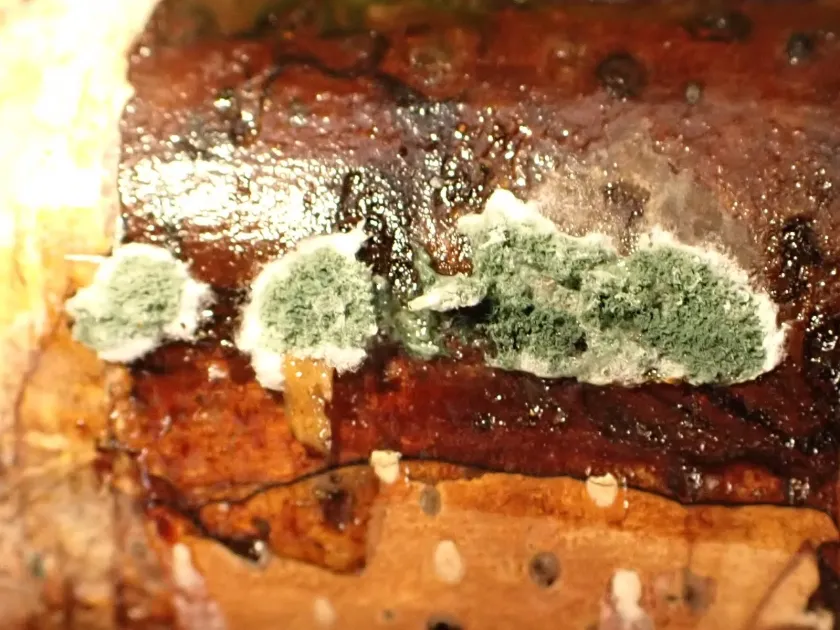
The most visible symptom is the development of a fuzzy, olive-green to dark-green mold on the affected surfaces. On citrus fruits, the disease typically manifests as soft rot that spreads quickly from a central point of infection.
Affected plant tissues lose their firmness and structural integrity, becoming mushy and discolored. In advanced stages of rot, the fruit or stem may emit a distinct, musty odor, indicating active fungal decomposition.
Seedlings affected by this pathogen show browning and necrosis of the root collar, leading to damping-off. The collapse of young plants often occurs rapidly, especially in high-density seeding conditions.
When examining infected citrus, the skin often shows water-soaked spots that transition into the characteristic green sporulating patches. The inner flesh of the fruit softens and breaks down, losing all commercial value.
Visual identification is usually straightforward due to the vibrant green color of the fungal colony. Unlike other gray or white molds, the deep green shade of Trichoderma viride is a definitive diagnostic marker.
Pathogen
The disease is caused by the fungus Trichoderma viride. Although this fungus is widely recognized as a biological control agent, under specific conditions it acts as an opportunistic pathogen capable of damaging weak plant tissues and fruits.
The fungus is classified among the mitosporic fungi and is characterized by its rapid growth of olive-green mycelium. It produces powerful enzymes that can break down cellulose and pectin, allowing it to colonize both healthy and decaying plant tissues effectively.
As a facultative parasite, it often attacks tissues that have been predisposed by mechanical injuries or previous infections. Its aggressiveness varies significantly depending on the specific strain and the environmental context.
The pathogen survives in the soil and on plant debris as spores, which are highly resistant to environmental stressors. This adaptability makes it a persistent presence in agricultural environments, capable of infecting plants at various growth stages.
In humid conditions, the mycelium spreads rapidly across the substrate surface. The high production of conidia (spores) allows for efficient transmission through the air or via water splashing, leading to quick secondary outbreaks.
Conditions for development
High relative humidity, typically above 85%, is the primary driver for the development and spread of Trichoderma viride. The fungus thrives in stagnant air environments where moisture levels remain consistently elevated.
Optimal temperatures for its growth range from +20°C to +28°C. In warehouses or storage facilities for citrus, insufficient ventilation creates the perfect microclimate for the rapid multiplication of the pathogen.
Mechanical damage to the fruit cuticle or plant stem is a major facilitator of infection. Any small injury provides an entry point for spores to colonize the nutrient-rich interior tissues.
Poor sanitation practices in greenhouses, such as leaving organic refuse or stagnant water, allow the fungus to maintain a significant spore load. Over time, the soil can become saturated with the pathogen.
Low light levels and poor air circulation in indoor settings weaken the host plants, making them more susceptible to opportunistic colonization by this fungus.
Why it matters
The disease causes significant economic loss, particularly in the citrus industry, where stored fruits can rot in a matter of days. This leads to substantial spoilage and wasted transport and storage resources.
In greenhouse operations, Trichoderma viride can destroy entire batches of seedlings, leading to high replanting costs and delayed production schedules. This unpredictability threatens the overall profitability of the farm.
Quality reduction is a critical issue; even if plants survive, they often exhibit stunted growth and compromised root health, which leads to lower yields during the harvest period.
Contamination of storage facilities requires expensive sanitation and decontamination processes to ensure subsequent harvests are not immediately infected by persistent spores.
The rapid spread of the fungus can lead to total crop loss if preventative measures are not implemented early, especially during periods of high humidity or harvest stress.
Protection
The most effective strategy is the strict management of humidity levels. Ensuring proper airflow and adequate ventilation in storage rooms and greenhouses is essential to prevent spore germination.
Maintaining high sanitary standards is crucial. This includes the regular removal of crop residues and the thorough decontamination of tools, containers, and storage surfaces before the start of each season.
Gentle handling during harvesting and sorting is necessary to avoid physical damage to the fruit skin. Carefully grading products and removing any damaged items prevent the spread of decay within the batch.
Effective crop rotation practices help reduce the buildup of the fungus in the soil. Strengthening plant immunity through balanced nutrition helps crops withstand secondary infections more effectively.
- Monitor storage humidity levels constantly.
- Remove and destroy infected plant parts immediately.
- Sanitize all containers before packing fruits.
- Ensure adequate spacing between plants for airflow.
- Use certified disease-free planting materials.
In brief
1
Affects crops
Biology
Pathogens and affected parts
Pathogens
Affected plant parts
whole plant
Content graph
Affects crops · 1
Content graph
Connections · Trichoderma rot
Most often together:
Marketplace
Products · 1
Community
Discussion
No discussions yet — be the first.