
Description
Symptoms
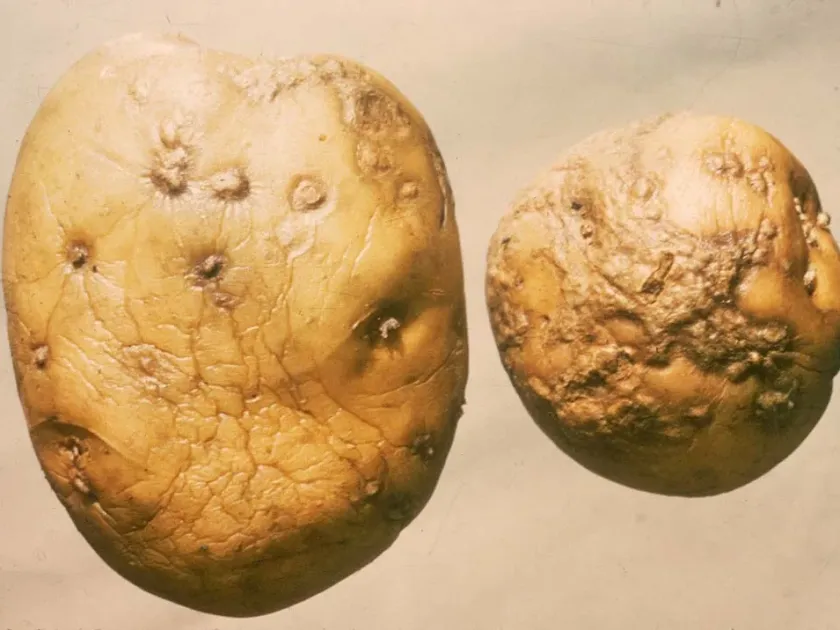
The primary symptom of skin spot on potatoes is the appearance of small, raised circular bumps on the tuber surface. These pustules are typically 2–3 mm in diameter and can merge together to cover large areas of the skin.
In the center of each individual spot, there is often a tiny aperture where the fungus releases its spores. As the disease progresses, the skin over these bumps may crack or become rough to the touch.
If you cut into an infected tuber, you will observe a dark brown to black necrotic area beneath the bump. The tissue consistency is often described as spongy, which helps distinguish it from other common types of potato scab.
Infected stolons and stem bases may also show dark lesions, although these are often overlooked during the growing season. This underlying infection can lead to premature wilting of the potato haulms.
Under high humidity during storage, the affected spots may develop a white, fuzzy fungal growth. This is the sporulation stage of Polyscytalum pustulans, which facilitates the rapid spread of the disease within the storage pile.
Pathogen
The pathogen is the fungus Polyscytalum pustulans, which belongs to the group of soil-borne plant pathogens. It is highly persistent and can survive in the soil for several years even in the absence of a host crop.
The fungus produces large numbers of conidia, which are easily disseminated by soil movement, water splash, and contaminated farm equipment. This makes the disease difficult to eradicate once it is established in a field.
Biological resilience is a key feature of this pathogen; it can survive as mycelium within the soil or as dormant spores. These spores are capable of infecting young tubers through lenticels or minor skin abrasions.
The fungus is particularly well-adapted to cool and moist conditions. This explains why the symptoms often become more pronounced as the harvest season transitions into the cold storage period.
Because the pathogen can persist on plant debris, continuous cultivation of potatoes without proper crop rotation leads to a steady increase in the soil's infectious potential.
Conditions for development
Skin spot development is favored by cool and damp soil conditions, especially during the tuber initiation stage. Temperatures ranging from 10 to 15 degrees Celsius are ideal for fungal growth.
High moisture levels in the soil at harvest time facilitate the infection of new tubers. If the soil is wet, the spores can easily migrate to the tuber surface and penetrate the lenticels.
Storage environments with poor ventilation and high humidity significantly exacerbate the disease. Condensation on tubers is the most critical factor that allows the fungus to continue its development throughout the winter.
Soil pH levels can influence the incidence of the disease, with slightly acidic soils generally favoring the pathogen. However, the impact of pH is less predictable compared to other scab diseases.
Cultural practices that promote prolonged wetness at the tuber surface increase disease pressure. Proper soil drainage and avoiding harvesting in wet weather are essential for managing these environmental risks.
Why it matters
The main economic impact of skin spot is the reduction in marketability of the potato crop. Affected tubers lose their cosmetic appeal and are often rejected by retailers and consumers.
Tuber storage quality is severely compromised. Once the skin barrier is damaged by the fungus, the tubers become prone to secondary bacterial infections, leading to rot and substantial post-harvest losses.
The disease causes increased water loss from the tubers, leading to premature shriveling. This weight loss reduces the total marketable yield, impacting the grower's profitability directly.
Using infected seed tubers creates a significant problem for the next generation. The pathogen is transmitted directly from the seed to the progeny, potentially causing widespread field infection.
In addition to direct losses, the necessity of additional sorting and chemical treatments adds to the operational costs for potato growers, making the production process less efficient.
Protection
The primary control measure is the use of high-quality, certified seed tubers that are free from Polyscytalum pustulans. Treating seed potatoes with appropriate fungicides can help reduce the initial inoculum.
Implementing a long crop rotation (at least 3–4 years) is essential to reduce the level of soil-borne inoculum. Growing non-host crops allows the population of the fungus in the soil to decline naturally.
Careful handling during harvest is crucial. Avoiding mechanical damage or skinning of tubers prevents the fungus from gaining entry to the inner tissues of the potato.
Providing a proper curing period after harvest is vital. Allowing the skin to heal and harden in a controlled environment helps the tubers resist infection during the subsequent storage phase.
Finally, maintaining optimal storage conditions—cool temperatures and adequate ventilation—is necessary to prevent the accumulation of moisture on the tubers, which stops the fungal growth.
Pathogens and affected parts
Affects crops · 1
Discussion
No discussions yet — be the first.