

OUACHITA
The Board of Trustees of the University o
Blackberry
0
0
·
70
6 offers
0.39 €per seedling
Buy
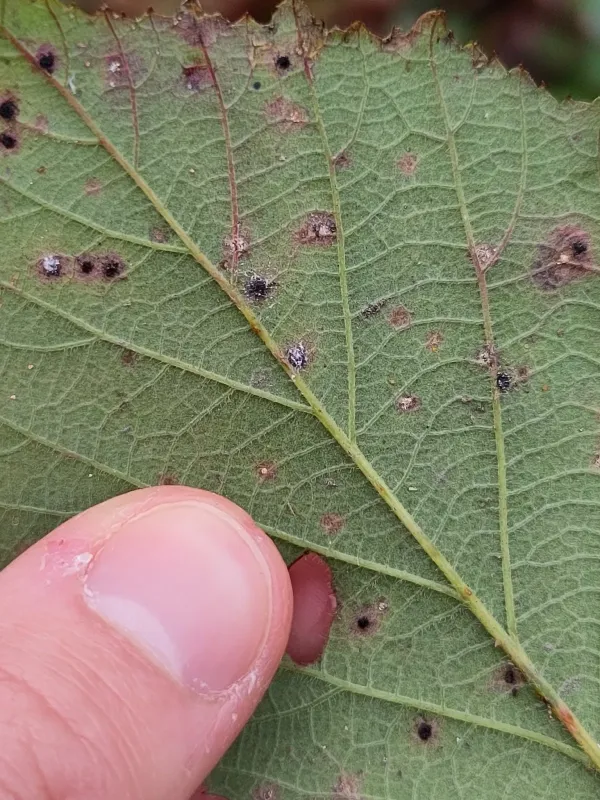
The earliest visual symptoms of blackberry rust appear on the upper surface of the leaves as small, purple-brown spots. These spots gradually grow larger and may become surrounded by a subtle yellow halo.
On the underside of the leaves, distinct pustules develop within these spots. Initially, these are bright orange or yellow, representing the accumulation of urediniospores, which are responsible for the secondary spread of the infection.
As the season progresses, the pustules may transition to a dark brown or black color, indicating the production of teliospores. These spores are designed to help the fungus survive the winter months on fallen foliage.
If the infection is severe, the stems may also show symptoms, including deep cankers or longitudinal cracks. These cracks weaken the physical integrity of the canes, making them prone to breakage and secondary infections.
The pathogen responsible for this disease is Phragmidium violaceum, a fungal species belonging to the order Pucciniales. It is an obligate parasite, meaning it requires living host tissue, specifically targeting plants in the Rubus genus, including blackberries and some raspberry varieties.
The life cycle of the fungus is complex and multi-staged, involving the production of several types of spores. These spores serve different purposes, allowing the fungus to survive adverse weather conditions and spread across plantations.
Primary infection usually begins in the spring from spores that have overwintered on infected leaf debris or dormant stems. The pathogen penetrates the plant epidermis through natural openings like stomata, initiating colonization.
Once established, the fungal mycelium grows within the plant tissues, extracting essential nutrients and water. This metabolic disruption leads to the typical symptoms associated with rust disease, which weaken the host plant over time.
The pathogen is highly effective at wind dispersal, meaning that even a small infection point in a field can spread to healthy plants quite rapidly under optimal environmental conditions.
Blackberry rust thrives in conditions of high humidity and moderate temperatures, typically ranging from 18 to 23 degrees Celsius. These conditions are ideal for spore germination and rapid colonization of host tissues.
Poor site selection, such as planting in low-lying, damp areas with little wind exposure, significantly increases the likelihood of an outbreak. Good air circulation is essential for reducing the humidity around the canopy.
Overcrowded plantations are particularly susceptible, as the dense foliage prevents drying after rain or heavy morning dew. This moisture allows spores to settle and germinate directly on the surface of the plants.
Excessive use of nitrogen-based fertilizers can lead to succulent, rapid growth that is more easily penetrated by the fungal hyphae. Maintaining a balanced nutrient program is vital for the plant's overall disease resistance.
The presence of wild Rubus species near the plantation often serves as an uncontrolled reservoir for the fungus. These wild plants can facilitate the annual re-introduction of the pathogen into commercial fields.
The economic impact of blackberry rust is mainly caused by the loss of photosynthetic leaf area, which reduces the plant's ability to produce sugars. Consequently, fruit yield decreases, and the berries that do form are often underdeveloped.
The disease negatively affects the overwintering ability of the plants. By damaging the canes and reducing energy reserves, the fungus makes blackberry bushes more susceptible to winter frost damage and cold-related death.
A chronic rust infection can lead to the long-term decline of the entire plantation. Over several seasons, the vigor of the plants is severely compromised, rendering them unprofitable and requiring replacement.
Fruit quality is also significantly downgraded due to the visual disfigurement caused by the rust and the poor development of the individual drupelets. Such fruit is generally unsuitable for fresh market sales.
The costs associated with managing a severe rust outbreak, including repeated fungicide applications and increased labor for sanitation, can significantly cut into the profit margins for fruit growers.
Cultural control is the first line of defense. This includes planting in well-drained, sunny sites and ensuring proper spacing between rows to maximize airflow and minimize humidity levels within the canopy.
Strict sanitation is mandatory. All infected canes and fallen leaves must be removed from the field and destroyed by burning or burying deep in the soil, as these are the primary sources of overwintering inoculum.
Early spring pruning of dormant canes helps remove potential overwintering sites before the new season begins. Removing the oldest, most susceptible canes is a good strategy to manage disease levels.
Preventative applications of copper-based fungicides can be used early in the season before bud break. This helps to protect the new foliage from initial infection by wind-blown spores.
If the disease pressure is high, systemic fungicides, including those from the triazole or strobilurin families, may be necessary. Always adhere to local regulations and safety guidelines regarding pre-harvest intervals.
No discussions yet — be the first.