
Slender tare
Vicia tetrasperma (L.) Schreb.
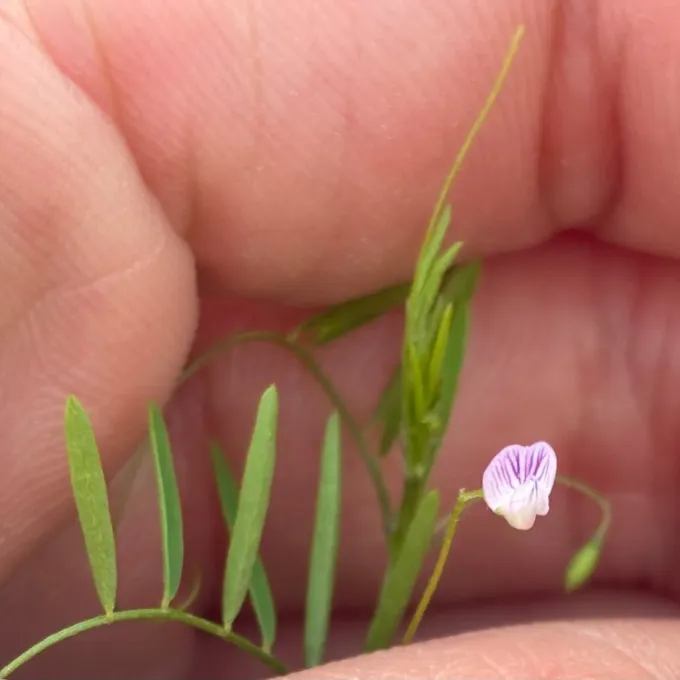
Description
Sowing dates
Slender tare (Vicia tetrasperma) is a slender annual legume belonging to the Fabaceae family. It is often recognized by its delicate foliage and typically four-seeded pods, which distinguish it from other Vicia species.
The sowing window for this crop generally opens in early spring, as soon as the soil is workable. Early establishment is crucial for the plant to develop a sufficient root system before the onset of summer heat.
Seeds are usually sown at a depth of 2–3 cm with a spacing appropriate for forage production. When integrated into cover crop mixtures, sowing rates are adjusted based on the proportion of other seeds in the blend to ensure optimal plant density.
Successful establishment relies on ensuring good seed-to-soil contact. Rollers are often used after sowing to improve moisture retention around the seeds, especially in lighter or sandy textured soils.
In temperate climates, the crop shows rapid growth dynamics. It is frequently utilized in agricultural systems as a green manure or a component of hay mixtures to enhance the protein content of the forage.
Growing requirements
This species thrives in a variety of soil types but performs best in well-drained loams. While tolerant of moderate soil acidity, it prefers a pH close to neutral for optimal nitrogen fixation by symbiotic bacteria.
Water requirements are moderate, with the highest demand occurring during the vegetative growth phase. Once established, the plant exhibits reasonable resilience to dry spells, although prolonged drought can limit yield.
Sunlight is a key factor for the development of slender tare. It does not perform well in highly shaded areas, as its competitive ability against other fast-growing species is relatively limited compared to larger legumes.
Fertilization management should focus on maintaining adequate levels of phosphorus and potassium, as the plant can contribute significantly to its own nitrogen needs through biological nitrogen fixation.
Climate adaptability is one of its strengths, as it withstands cool spring temperatures well. It is well-suited for temperate regions where frost risks are present during the early planting season.
Main diseases and pests
Weevil populations, particularly sitona species, represent the primary insect threat. They feed on the leaves and root nodules, potentially hindering the nitrogen-fixing capacity of the plants during critical growth stages.
Aphid infestations are a common issue, particularly during periods of warm, dry weather. Heavy infestations can lead to stunted growth and reduced quality of the green mass intended for fodder or incorporation.
Fungal diseases, including powdery mildew, can appear under high humidity conditions. These diseases manifest as foliage discoloration and can lead to early senescence if left unmanaged.
Root rots can be problematic in waterlogged soils. Ensuring proper field drainage is the most effective cultural practice to mitigate the risk of pathogen outbreaks in the root zone.
Integrated pest management strategies are recommended, focusing on maintaining field hygiene and promoting beneficial insects that predate on aphids and other common pests.