
Yellow vetch
Vicia lutea L.
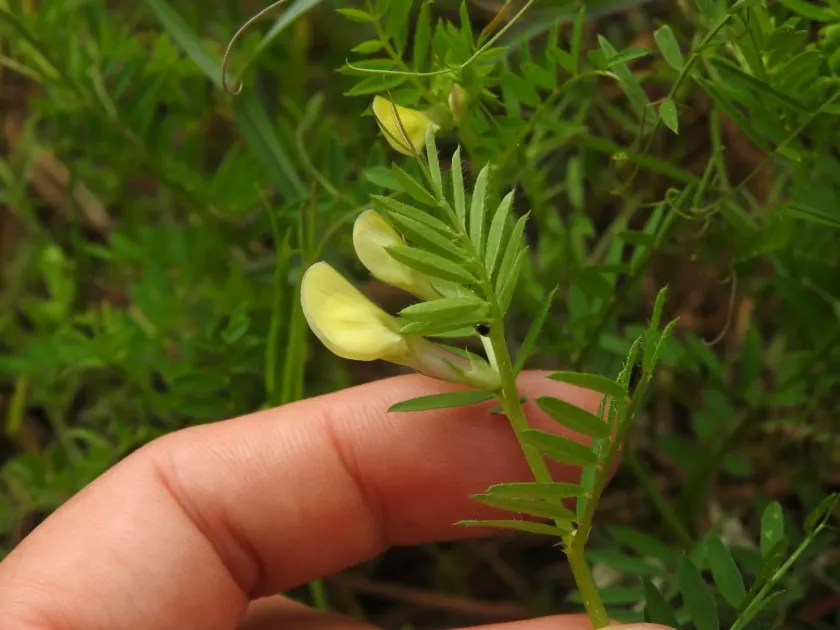
Description
Sowing dates
Yellow vetch (Vicia lutea L.) is a member of the Fabaceae family, widely recognized for its agricultural value as a forage legume and green manure crop.
The optimal sowing time for yellow vetch is typically in early spring once the soil temperature reaches a consistent +5°C to +8°C, which encourages uniform germination.
In regions with milder winters, fall sowing is practiced, allowing the plants to establish a robust root system before the onset of the next growing season.
The seeding rate varies based on whether the crop is intended for biomass production or seed multiplication, typically ranging from moderate to high densities.
Seeds should be planted at a depth of 3–5 cm. Ensuring good seed-to-soil contact through proper compaction after sowing is essential to achieve a healthy stand.
Growing requirements
Yellow vetch is known for its relatively high drought tolerance compared to other Vicia species, allowing it to thrive in varied environmental conditions.
It performs best in fertile loamy or sandy-loam soils with a neutral or slightly alkaline pH. It is sensitive to highly acidic environments, which may require liming.
The crop requires good sunlight exposure to maximize biomass accumulation and ensure healthy pod development during the flowering phase.
Phosphorus and potassium fertilization are recommended to enhance root growth and nitrogen-fixing activity, which benefits the overall health of the crop.
As a legume, it contributes to soil fertility by fixing atmospheric nitrogen, making it an excellent crop for rotation systems before cereal planting.
Yield
Biomass yield for yellow vetch can reach significant levels when soil moisture and nutrient availability are effectively managed throughout the growing season.
Under favorable conditions, it can produce 15–25 tonnes of green matter per hectare, providing high-quality protein-rich feed for livestock.
Seed yields generally range between 8 and 15 decitonnes per hectare, depending on local pollinators and seasonal weather conditions during the reproductive stage.
Incorporating yellow vetch into mixed-crop systems with grasses can improve the structural stability of the plants and facilitate mechanical harvesting.
Effective weed management during the early growth phase is crucial to ensuring that the crop attains its full yield potential without competition.
Main diseases and pests
Common diseases affecting Vicia lutea include various leaf spots, powdery mildew, and anthracnose, especially during periods of high humidity and poor ventilation.
Key pests include the pea leaf weevil, which feeds on the foliage, and various aphids that can stress the plant and reduce overall vigor.
Seed-feeding weevils (Bruchus) pose a significant threat to seed quality, making timely monitoring and preventive treatments necessary in seed production fields.
Integrated pest management, including crop rotation and the use of healthy, treated seeds, is the primary defense strategy for this legume crop.
When chemical intervention is required, applying registered insecticides during the recommended windows ensures pest control while respecting environmental standards.
Harvesting
Harvesting for green fodder is recommended during the full flowering stage to ensure the highest protein content and nutritional value of the biomass.
For hay production, cutting must occur before stems become woody and fibrous, as early harvest stages significantly improve the palatability for livestock.
Seed harvesting should be timed when the pods have turned yellow or brown and the seeds inside have hardened to their physiological maturity.
Farmers must be cautious about delaying the harvest, as the pods of yellow vetch are prone to shattering, which can cause severe field losses.
Using combine harvesters with calibrated settings helps to reduce seed damage and maximize the recovery of high-quality grain during the harvest operation.