
Tufted vetch
Vicia cracca L.
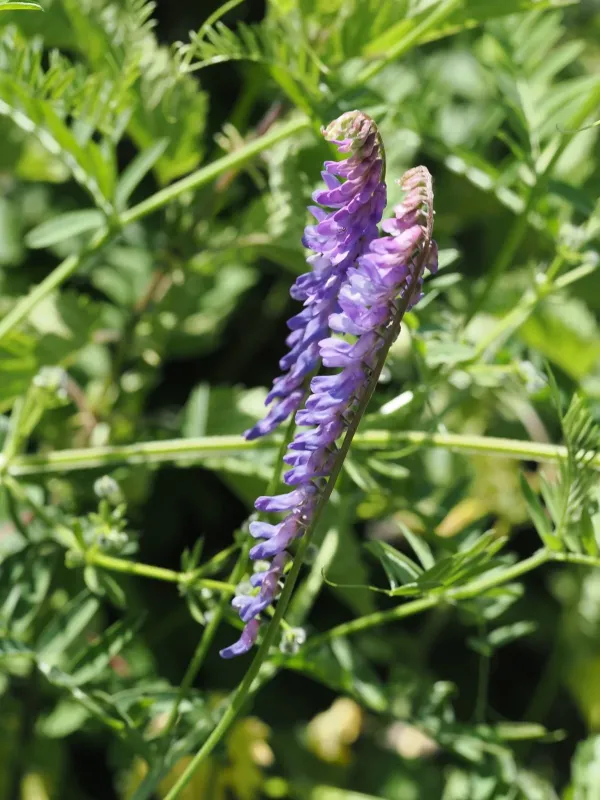
Description
Sowing dates
Tufted vetch is a vigorous perennial legume belonging to the Fabaceae family. It is widely used in sustainable agriculture to improve soil fertility and as a component of high-protein forage mixtures. Its seeds often require scarification to break dormancy and ensure uniform germination.
The optimal time for sowing is early spring when soil moisture is abundant. Alternatively, late summer planting can be successful, allowing the crop to establish a deep root system before the onset of winter. It is highly adaptive to various sowing techniques.
When planted as a monoculture, a seeding rate of 20–25 kg per hectare is recommended. However, it is most effective when interseeded with grasses like timothy or smooth brome, which provides structural support for the vetch's climbing habit, reducing the rate to 5–10 kg per hectare.
Seeds should be planted at a depth of 2–3 cm. Proper seed-to-soil contact is essential, so light rolling after seeding is advised to create a firm seedbed, especially in lighter, more aerated soil types.
Once established, the crop is highly persistent, spreading via rhizomes and self-seeding. This makes it an excellent choice for long-term meadows and pastures where minimal re-seeding is desired over the years.
Growing requirements
Tufted vetch thrives in a wide range of soil conditions, from heavy clays to well-drained loams. It is particularly valued for its ability to fix atmospheric nitrogen, which benefits both the plant itself and surrounding vegetation, reducing the need for synthetic nitrogen fertilizers.
The plant is exceptionally winter-hardy, capable of surviving harsh freezing temperatures and fluctuating spring conditions. It is well-suited for temperate climates and does not require special winter protection in most agricultural regions.
While it prefers moderate moisture, it is remarkably drought-tolerant once fully established due to its extensive root structure. It performs best in sites with adequate drainage, as waterlogged conditions can lead to root diseases during the dormant season.
Regarding light requirements, the plant is quite versatile. While it produces the most biomass in full sunlight, it can handle partial shade, making it a reliable performer in complex agroforestry systems or under-sown conditions in cereal crops.
Maintenance is minimal. Weed management is primarily necessary during the establishment phase. After the first year, the plant's aggressive growth habit typically allows it to outcompete most weeds, creating a dense, protective ground cover.
Yield
The biomass yield of tufted vetch is significant, often producing 15 to 30 tons of fresh weight per hectare annually, depending on the cutting regime. It is highly valued for its dense leaf production and high protein content.
As a forage source, it provides excellent nutritional value, offering high levels of minerals and vitamins. It is a preferred feed for cattle and sheep, leading to improved weight gain and livestock health compared to purely grass-based diets.
The crop displays superior regrowth potential, allowing for two to three harvests per season if managed correctly. This flexibility makes it a reliable feed source throughout the grazing season, even during dry mid-summer spells.
To maximize yields, it is recommended to apply phosphorus and potassium supplements if soil tests indicate deficiencies. Maintaining soil pH near neutral levels will also help the nitrogen-fixing bacteria thrive, boosting overall productivity.
Harvesting at the correct growth stage is vital for maximizing yield and quality. Waiting until the mid-bloom phase ensures the best balance of digestible nutrients, ensuring that the harvested biomass is at its peak of nutritional potential.
Main diseases and pests
Tufted vetch is relatively resistant, but it can be affected by fungal diseases such as powdery mildew and rust, particularly in dense stands with poor airflow. Maintaining proper plant spacing helps to mitigate these risks effectively.
Pests like the clover leaf weevil or aphids can cause damage during the vegetative stage. Aphids specifically may target young shoots, which can stunt plant growth and reduce overall vigor if infestations become severe.
Root rot caused by soil-borne pathogens is a concern in areas with poor drainage or over-irrigation. Proper site selection and avoiding waterlogged fields are the most effective management practices to prevent these issues.
Biological control methods, such as encouraging beneficial predatory insects, are often sufficient to manage pest populations. Chemical intervention should only be used as a last resort to preserve the forage quality for livestock consumption.
Monitoring the crop for signs of disease early in the season is critical. Simple techniques like regular scouting and timely harvesting can help to break the cycle of pest reproduction and ensure the longevity of the stand.
Harvesting
The primary harvest for hay should occur at the full bloom stage. Utilizing modern mowing technology allows for faster drying times, which is critical for preserving the quality of the delicate leaves and flower buds that carry the bulk of the nutrients.
When preparing haylage, the crop should be wilted to a moisture content of roughly 50%. This process optimizes fermentation, resulting in a stable, high-energy feed that remains palatable to livestock throughout the winter months.
Seed harvesting requires careful timing, as the pods are prone to shattering when fully dry. The best time to harvest is when the lower pods have turned brown and the seeds are firm, typically using a direct-combining method.
Post-harvest storage for seeds requires cool, dry conditions with adequate ventilation to prevent spoilage. Proper cleaning to remove chaff and debris will improve storage life and ensure high germination rates for future seeding cycles.
For best results, adjust machinery settings to minimize mechanical impact, as the stems can be somewhat brittle. Careful handling throughout the harvest process ensures that the maximum amount of high-quality forage is successfully collected.