
Bithynian vetch
Vicia bithynica (L.) L.
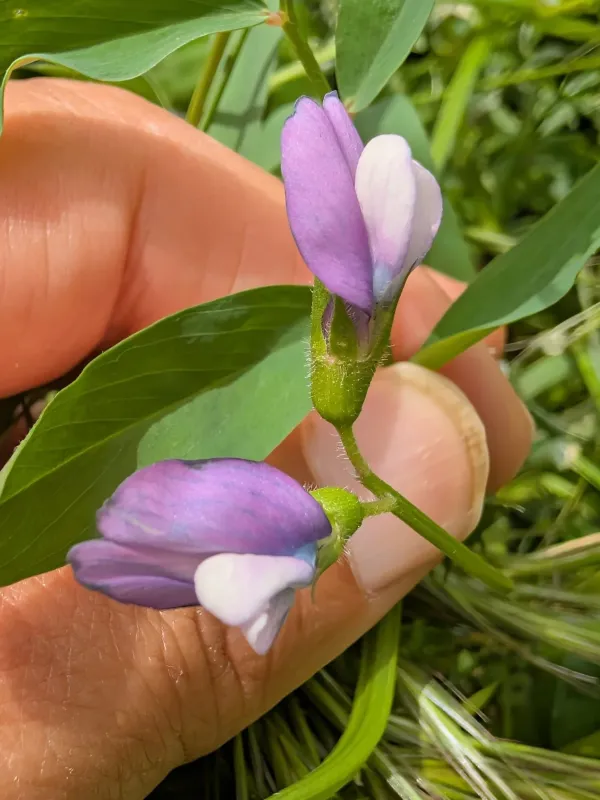
Description
Sowing dates
Bithynian vetch (Vicia bithynica) is an annual leguminous plant that is recognized for its utility in forage production and soil nitrogen enrichment.
The sowing process is typically executed in early spring when the soil temperature consistently reaches 5 to 8 degrees Celsius to facilitate germination.
Seed spacing and planting depth are critical factors, with depth generally set between 3 and 5 centimeters to ensure the seedling establishes a strong root system.
Sowing rates are adjusted based on the specific end-use, whether the goal is biomass production for fodder or the harvesting of high-quality legume seeds.
Inoculation of seeds with appropriate rhizobia bacteria is highly recommended to enhance nitrogen fixation capacity, which significantly promotes robust early growth.
Growing requirements
This species thrives in temperate climates and is known for its moderate tolerance to dry spells due to an efficient and deep-reaching root system.
Fertile soils, particularly well-drained loams with a near-neutral pH, provide the ideal environment for maximizing biomass yields and supporting healthy plant development.
As a light-demanding crop, it performs best in open fields where it can maximize photosynthesis without being suppressed by taller competing vegetation.
Proper field management includes ensuring adequate drainage, as the species is sensitive to waterlogged conditions that can compromise root health.
Nutrient requirements are met through standard fertilization practices, with emphasis on potassium and phosphorus for strengthening structural tissue.
Yield
The total yield potential of Bithynian vetch is highly responsive to favorable weather conditions and precise management of the growth cycle during the season.
Biomass production is highest when the plant is harvested at full bloom, as this phase captures the maximum balance of crude protein and digestible nutrients.
Mixed cropping systems, often utilizing cereal companions, are frequently employed to provide structural support for the vetch, resulting in higher overall biomass output.
Seed production yields depend heavily on the maturity level at harvest and the avoidance of pod shattering, which is a common challenge for this genus.
Consistent crop monitoring allows farmers to optimize harvest timing, ensuring the highest possible quality of feed or seed stock per cultivated hectare.
Main diseases and pests
Fungal diseases, including powdery mildew, represent a significant threat to canopy health, particularly during periods of high humidity and suboptimal airflow.
Root rot pathogens can be devastating in poorly drained soils, often resulting in localized plant death and reduced stand uniformity across the production area.
Insect pests like the pea and bean weevils can damage foliage and stems, necessitating integrated pest management strategies to protect the crop's vigor.
Aphid infestations during the vegetative stage can cause stunted growth and serve as vectors for various plant viruses that decrease overall plant vitality.
Implementing crop rotation cycles is the most effective cultural practice for mitigating the buildup of soil-borne diseases and persistent pest populations.
Harvesting
Harvesting for silage or hay is best accomplished during the peak flowering stage to ensure the highest nutritional profile for livestock feed applications.
For seed production, the harvest is performed when pods are fully mature and brown, requiring careful handling to minimize mechanical damage and loss.
Modern harvesting machinery, such as combines or swathers, allows for efficient gathering of the crop, provided that soil moisture is adequately controlled.
Post-harvest processing involves cleaning and moisture regulation to ensure that the material remains stable and free from contamination during storage.
Storage management should focus on maintaining low moisture levels to prevent heat buildup and the proliferation of harmful fungi in the stored forage or seeds.