
Narbon vetch
Vicia narbonensis L.
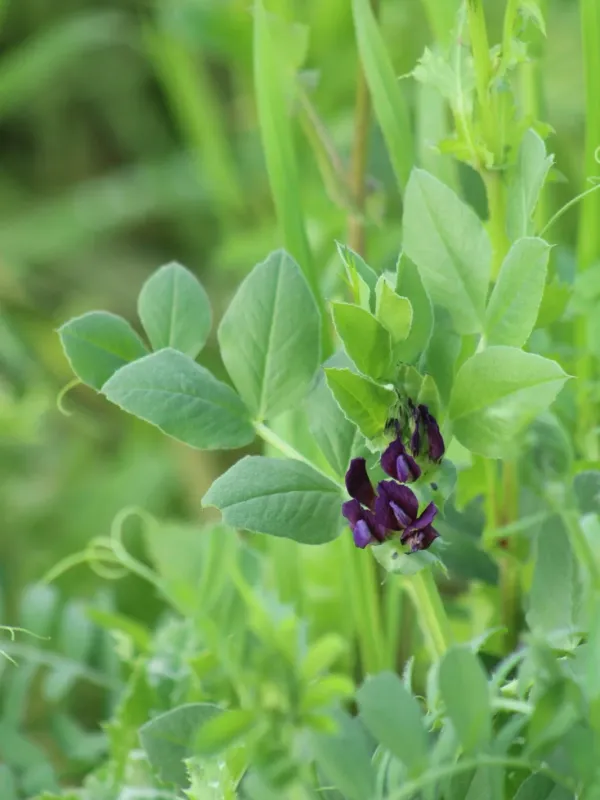
Description
Sowing dates
Narbon vetch (Vicia narbonensis L.) is an annual legume that is typically sown in early spring when soil temperatures reach favorable levels for germination.
The seeding rate varies depending on the specific goal; for grain production, a density of 120–150 kg/ha is common, whereas forage production often requires higher seeding rates.
Seeds should be placed at a depth of 4 to 6 centimeters, ensuring they are covered with sufficient soil to maintain moisture and protect them from birds.
Proper drill spacing is essential to ensure a uniform stand and early canopy closure, which helps suppress weed competition throughout the early development stages.
In regions with milder winters, some farmers experiment with autumn sowing to take advantage of soil moisture, though early spring remains the standard practice in most areas.
Growing requirements
This crop belongs to the Fabaceae family and thrives best in fertile, well-drained loamy soils, showing a preference for neutral to slightly alkaline pH levels.
The plant is known for its cold tolerance, which allows it to withstand early spring temperatures that might hinder other heat-loving legume species.
Water availability is a crucial factor for success; although the plant is relatively resilient, yield potential is highly dependent on rainfall during the flowering period.
Effective crop rotation is vital, with cereals like wheat or barley serving as excellent preceding crops that prepare the soil for healthy vetch development.
As a legume, it has a symbiotic relationship with nitrogen-fixing bacteria, reducing the need for synthetic nitrogen fertilizers while leaving residual nitrogen in the soil.
Yield
Narbon vetch is highly valued for its high crude protein content, making it an excellent component for high-quality livestock feed and silage production.
Average grain yields can reach between 2.5 and 3.5 metric tons per hectare under optimal environmental conditions and proper management practices.
The total biomass production is heavily influenced by the use of appropriate seed mixtures, which also help maintain vertical structure and prevent lodging during the growing season.
Its nutrient profile makes the grain particularly useful in feed rations for poultry and swine after proper processing to ensure digestibility and safety.
Sustainable farm management recognizes this crop for its ability to produce significant output while simultaneously improving soil organic matter and fertility levels.
Main diseases and pests
Fungal diseases such as rust and anthracnose are primary concerns, particularly in humid and warm climates where conditions favor rapid pathogen proliferation.
Pests like pea aphids and nodule weevils can significantly damage young foliage and roots, potentially setting back the crop development during the critical early stages.
Integrated pest management strategies, including the use of treated seeds and routine field scouting, are essential to minimize the impact of these agricultural challenges.
Weed management is paramount, as the slow initial growth of the vetch can allow aggressive weeds to outcompete the crop if not properly controlled through herbicides or tillage.
Preventive measures in crop management, such as maintaining optimal soil health and avoiding continuous cropping, are effective ways to mitigate the spread of pests and diseases.
Harvesting
Grain harvest should be initiated when the lower and middle pods are fully mature and the moisture content is low enough to allow for efficient threshing.
For forage purposes, the crop should be mowed at the peak of the flowering stage, ensuring the best balance between biomass quantity and nutritional density.
Great care must be taken during the threshing process to adjust combine settings, preventing mechanical damage to the large seeds of the Narbon vetch.
Post-harvest handling, including cleaning and drying the seeds to reach safe storage moisture levels, is necessary to maintain quality and viability for the next season.
Timely harvest is the key to minimizing yield losses caused by natural pod shattering, which is a common characteristic of this species if left on the field for too long.