
Hungarian vetch
Vicia pannonica Crantz
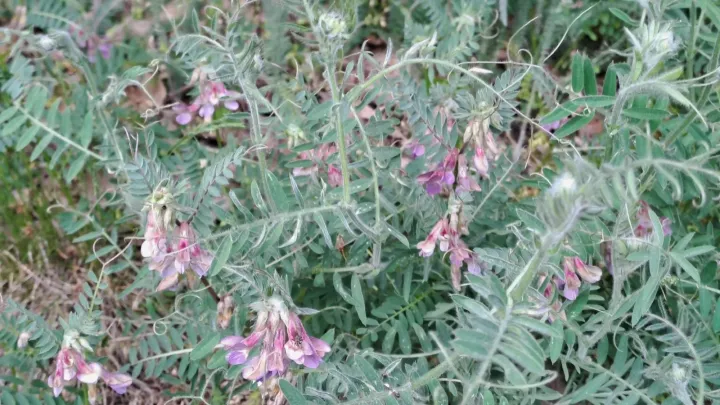
Description
Sowing dates
Hungarian vetch (Vicia pannonica) is a valuable annual legume crop belonging to the Fabaceae family. It is recognized for its high adaptability and is widely used as a key component in forage mixtures, particularly for its ability to thrive in cool climates.
The sowing window depends on the intended use and local climate. For spring crops, planting occurs as soon as the soil is workable, allowing the crop to capitalize on early spring moisture. This helps the plants establish a strong root system before the onset of summer.
Winter varieties are typically sown in late August or early September. This timing allows the plants to establish well before the first frost, ensuring they have sufficient sugar reserves to survive cold winter conditions under snow cover.
Seeding rates range from 80 to 120 kg per hectare, depending on whether the vetch is sown alone or in a mixture with cereal crops like rye or wheat. Proper density is essential to minimize weed competition during the early stages of plant development.
Correct seed depth, usually 3 to 5 cm, is critical for achieving uniform emergence. On heavier soils, a shallower depth is preferred, whereas lighter soils may require slightly deeper placement to ensure adequate soil-to-seed contact and moisture access.
Growing requirements
This crop prefers well-drained loamy soils but shows good performance on a range of soil types. It does not tolerate waterlogging, so fields with poor drainage or high water tables should be avoided to prevent root rot and stunted plant growth.
Hungarian vetch is highly cold-hardy, especially the winter-hardy strains, making it a reliable choice for regions with severe winters. The plants can withstand significant temperature fluctuations without suffering damage during their early vegetative stages.
Moisture availability is crucial during the rapid stem elongation phase. Adequate rainfall or irrigation during this period significantly boosts the production of green mass and ensures the formation of robust pods, maximizing the overall nutritional value of the crop.
Sunlight exposure is essential for photosynthesis and nitrogen fixation. Clear, sunny days promote higher protein content in the leaves and stems, which is a major advantage for farmers looking to produce high-quality forage for their livestock.
Regarding fertilization, Hungarian vetch requires minimal input due to its ability to fix atmospheric nitrogen through symbiosis with Rhizobium bacteria. This reduces input costs and supports sustainable farming practices by improving soil nitrogen levels for future crops.
Yield
The yield of green mass can range between 200 and 350 decitonnes per hectare, depending on soil fertility, moisture availability, and management. Proper crop rotation and field preparation are key factors that influence the final biomass harvest.
When grown for seed, producers can expect yields between 15 and 25 decitonnes per hectare. Timing is essential, as the pods are prone to shattering if harvesting is delayed, which can result in significant seed loss directly in the field.
Hungarian vetch provides a dual benefit by significantly improving soil structure and nitrogen availability. After harvesting the crop, the soil remains enriched with organic matter, which benefits the growth of subsequent crops in the rotation cycle.
When cultivated in forage mixtures with winter cereals, total biomass yield and feed quality increase substantially. This combination provides a balanced nutritional profile, making the resulting silage or haylage highly palatable and nutritious for livestock.
For maximum protein and nutrient density, the crop should be harvested at the full bloom stage. At this developmental point, the ratio of leaves to stems is optimal, ensuring that the harvested material provides high energy and protein for animal consumption.
Main diseases and pests
Common diseases include Fusarium wilt and Ascochyta blight, which are more prevalent in wet, humid conditions. These fungal pathogens affect both roots and leaves, highlighting the importance of crop rotation and site selection to maintain field health.
Pea leaf weevils are frequent pests during the seedling stage. They feed on the growing points and leaves, which can reduce stand density. Monitoring and, if necessary, the application of insecticides help protect the crop during its vulnerable early growth period.
Aphids can cause damage during the budding phase by sucking sap and spreading viral infections. Vigilant monitoring allows for targeted intervention, helping to mitigate the spread of viruses that could otherwise reduce the quality and vigor of the entire crop.
Pea moths pose a significant threat to seed quality. Preventive treatments during the flowering stage are recommended for seed crops to ensure high purity and viability of the harvested seeds, protecting the producer's investment for the next planting season.
Small rodents can damage winter-sown crops during the cold season. Standard field maintenance, such as removing vegetation along field edges and promoting natural predator habitats, is an effective strategy for managing rodent populations in agricultural areas.
Harvesting
Harvesting for green forage should take place when the crop is in full bloom. Using mower-conditioners allows for faster wilting, which is crucial for producing high-quality hay or silage that retains maximum nutrient value for livestock rations.
Seed harvesting is performed using combine harvesters when the pods show characteristic discoloration. Maintaining seed moisture levels between 15% and 18% is vital for preventing spoilage and ensuring that seeds can be stored safely for the following season.
Because Hungarian vetch can be prone to lodging, specialized harvesting headers or lifters are often used to minimize losses. These tools effectively lift the fallen crop, ensuring that more material enters the threshing mechanism rather than being left in the field.
Post-harvest cleaning is essential to remove chaff, weed seeds, and soil particles. Proper cleaning improves seed grade and reduces the risk of heating or molding in storage, which is particularly important for maintaining the germination rate of the seeds.
Seeds should be stored in a cool, dry, and well-ventilated environment. Following these storage protocols ensures that the grain remains free from moisture-related issues, preserving its viability and high quality for future plantings and commercial use.