
Hairy vetch
Vicia villosa Roth
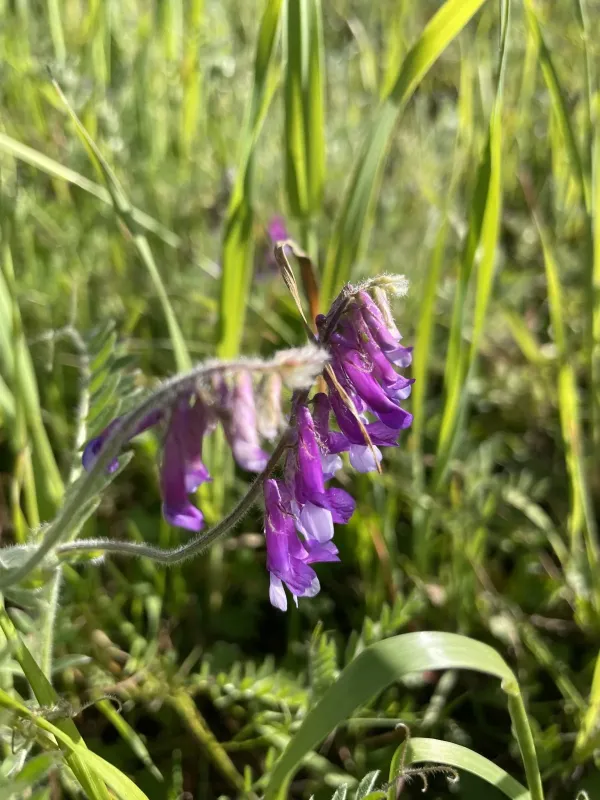
Description
Sowing dates
Hairy vetch is a winter-hardy legume primarily sown in late summer or early autumn. The timing is crucial to ensure the plants establish a strong root system and form a rosette of leaves capable of surviving the cold winter months.
The seeding rate varies depending on whether it is sown as a monoculture or in a mix with winter cereals like rye or wheat. In mixtures, a rate of 30–50 kg/ha is generally sufficient to achieve a uniform stand and maximize weed suppression.
Sowing depth should be adjusted according to soil texture and moisture. In heavier clay soils, planting at 2–3 cm is recommended, whereas in lighter sandy soils, increasing the depth to 4–5 cm ensures the seed reaches sufficient moisture for germination.
To improve winter survival and early spring vigor, seeds are often treated with specialized inoculants containing Rhizobium bacteria. This enhances nitrogen fixation capability right from the seedling stage.
Crop rotation management is vital, as hairy vetch can be susceptible to build-ups of soil-borne pathogens. It is best placed following cereal crops, which provide a clean environment for the vetch to establish.
Growing requirements
Hairy vetch is renowned for its exceptional cold tolerance, making it one of the most reliable legumes for harsh climates. It can withstand significant freezing temperatures, especially when protected by a snow cover.
While adaptable to various soil types, including poor sandy soils, it thrives best in well-drained, airy soil with a neutral to slightly acidic pH. It performs poorly in waterlogged conditions, which can lead to root rot.
Adequate moisture is required during the germination and spring regrowth phases. Although it shows some drought tolerance, prolonged dry spells can significantly limit its biomass production.
The plant prefers full sunlight to perform photosynthesis efficiently. While it can compete with weeds once established, it does not tolerate heavy shade from other dense crops in a polyculture system.
Potassium and phosphorus levels in the soil are essential for promoting strong structural growth and winter endurance. Proper nutrient management ensures the plant can effectively produce the biological nitrogen required for the following crop.
Yield
The biomass yield of hairy vetch is highly dependent on seasonal weather patterns and soil nutrient status. Under optimal agricultural conditions, it can produce between 3 to 6 tonnes of dry matter per hectare.
Maximum nutritional value, particularly crude protein content (18–20%), is achieved during the peak flowering stage. This makes it an excellent choice for green manure or livestock forage before incorporation into the soil.
Seed production is highly variable and often dependent on pollinator activity, such as bees and bumblebees. Successful harvests typically range from 0.5 to 1.2 tonnes per hectare when managed carefully.
As a green manure crop, hairy vetch can fix between 100–150 kg of nitrogen per hectare. This natural fertilization reduces the reliance on synthetic inputs for subsequent cash crops in organic farming rotations.
To maximize yields, producers use a combination of pre-plant fertilization, early-season weed management, and precisely timed harvests to prevent excessive shattering of the seed pods.
Main diseases and pests
Hairy vetch is generally robust, but it can be affected by Ascochyta blight in particularly humid or wet conditions. Symptoms include dark lesions on leaves and stems, which can reduce the overall quality of the forage.
Rust diseases also pose a threat during prolonged misty or wet periods. Crop rotation and using certified, clean seed are the primary methods for mitigating the spread of these fungal infections.
The pea leaf weevil is a notable pest, feeding on both foliage and nodules, which impairs the plant's nitrogen-fixing ability. Monitoring and targeted insecticide applications at the start of adult emergence are standard practices for control.
Aphids can cause damage during warm, dry spells, sucking sap from tender new growth and floral organs, which can lead to reduced seed yields and stunted development of the plant.
Integrated pest management (IPM) strategies, including field monitoring and maintaining beneficial insect habitats, are recommended to keep populations below the economic threshold of injury.
Harvesting
Harvest timing is dictated by the intended end use of the crop. For green forage, harvesting at the onset of flowering ensures the best balance between biomass volume and protein concentration.
When making hay, careful drying is necessary to preserve the delicate, leaf-rich stems. The goal is to retain as much foliage as possible, as this is where the highest concentration of protein is stored.
Seed harvesting requires high precision because the pods are prone to shattering as they dry. A two-stage process—swathing followed by threshing once dry—is typically preferred to minimize field losses.
Moisture control during threshing is critical to avoid mechanical seed damage. Once harvested, the seeds must be cleaned and dried to a moisture content of 13–14% to ensure long-term storage viability.
Modern combine harvesters require careful adjustment of drum speed and concave clearance to process the seed effectively while maintaining high germination rates and low breakage percentages.