
Kodo millet
Paspalum scrobiculatum L.
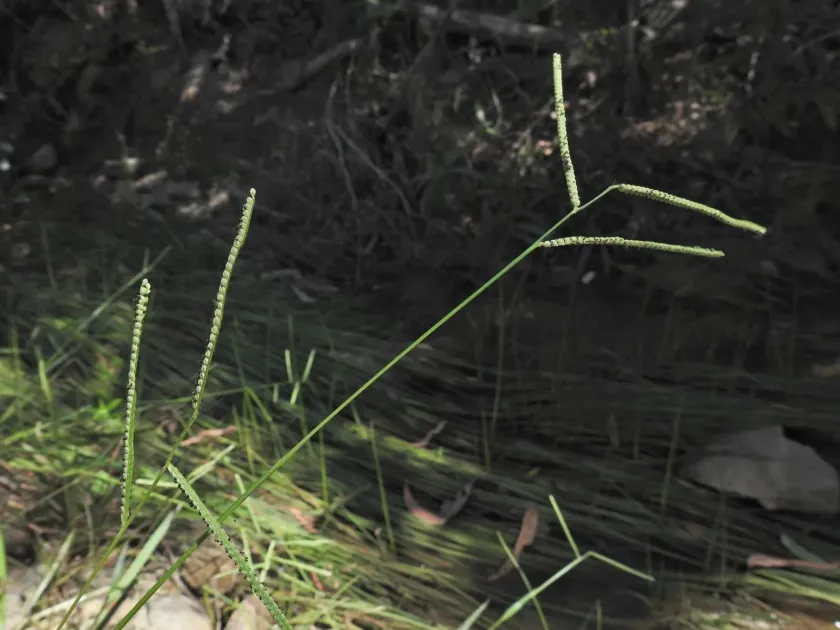
Description
Sowing dates
Kodo millet, scientifically known as Paspalum scrobiculatum, is primarily sown at the beginning of the monsoon season. Successful establishment depends on ensuring sufficient soil moisture for rapid germination and root development.
In most regions, planting takes place during June or July. Timely sowing allows the crop to take full advantage of the active rainy period, which is crucial for building a strong plant architecture before the dry spells occur.
The seeding rate typically ranges from 6 to 12 kg per hectare, depending on whether the crop is grown for grain or forage. Row planting is generally preferred as it allows for easier weeding and better crop management.
Seeds should be sown at a shallow depth of no more than 2–3 centimeters. Proper seedbed preparation is essential to ensure that seeds maintain consistent contact with the moist soil, promoting uniform emergence.
Applying starter fertilizers, particularly nitrogen and phosphorus, can significantly enhance early growth. This boost helps the seedlings overcome critical early developmental stages and promotes faster biomass accumulation.
Growing requirements
This crop belongs to the Poaceae family and is highly recognized for its remarkable ecological adaptability. It thrives in tropical and subtropical climates, displaying impressive resistance to both waterlogging and drought conditions.
Kodo millet is not overly demanding regarding soil fertility and can produce yields in poor or slightly acidic soils where other cereals often fail. Well-drained, fertile loamy soils, however, will maximize its production potential.
The plant is light-loving and requires areas with full sun exposure for optimal growth. Shaded environments can significantly stunt development and reduce grain filling, so planting density must be managed carefully.
The ideal temperature for vegetative growth is between 25 and 35 degrees Celsius. The crop is heat-tolerant but growth slows significantly when temperatures drop, making it unsuitable for areas prone to cold snaps or frequent frost.
Effective weed management is mandatory during the first 30 days of growth, as the crop is initially slow-growing and sensitive to competition. Mechanical weeding or selective herbicide application ensures the crop remains dominant in the field.
Yield
Under favorable management conditions, grain yield for Kodo millet can range from 8 to 15 quintals per hectare. With the adoption of improved varieties and intensive farming techniques, these figures can be significantly improved.
When cultivated primarily for fodder, the yield of green biomass can reach between 150 and 200 quintals per hectare. It provides a nutritious and palatable forage source for various types of livestock throughout the growing season.
Productivity is heavily influenced by nitrogen availability and moisture consistency. Incorporating organic matter into the soil improves its structure and water-holding capacity, which leads to more stable and higher crop yields.
Grain quality is a significant factor in the marketability of Kodo millet. Being a healthy alternative to traditional cereals like rice, well-harvested grain fetches a good price due to its nutritional profile and high fiber content.
Plant breeding efforts are focused on developing varieties that are resistant to lodging. Such improvements not only stabilize yields but also facilitate easier mechanical harvesting, reducing the overall costs for farmers.
Main diseases and pests
Fungal diseases, particularly leaf rust, represent a primary threat in humid conditions. This can cause early defoliation and reduction in grain filling, requiring proactive monitoring and potential fungicide application.
Insect pests, such as stem borers and various moth larvae, can cause structural damage to the plants. Regular field inspections are necessary to identify early infestations and prevent significant crop loss.
Implementing a diverse crop rotation cycle is the best defense against soil-borne pathogens. Rotating Kodo millet with legumes helps break pest cycles and naturally restores soil fertility, minimizing the reliance on chemical inputs.
Post-harvest, the grain is susceptible to storage pests if not managed properly. Ensuring that grain is thoroughly dried to a moisture content below 13% is critical for long-term storage and maintaining grain integrity.
Seed treatment with broad-spectrum fungicides prior to planting is a standard preventative measure. This protects the vulnerable germinating seeds from soil pathogens and helps ensure a dense and uniform plant stand.
Harvesting
Grain harvesting is typically initiated when the panicles turn a characteristic straw-yellow color, indicating physiological maturity. This timing is critical to ensure high quality and prevent excessive field losses.
Harvesting can be carried out either manually or using mechanical combines. If combining, adjustments to the reel and cylinder speed are necessary to avoid grain damage and ensure thorough separation from the straw.
For forage purposes, the crop is usually harvested before the flowering stage. At this phase, the ratio of protein to fiber is optimal, providing the highest nutritional value for livestock feed.
Post-harvest, the grains must be cleaned and dried to a safe moisture level. Proper cleaning processes effectively remove field debris and foreign particles, resulting in a clean and marketable product.
Storing the harvested crop in well-ventilated, dry facilities ensures that it remains free from mold and insect damage. Following proper post-harvest protocols allows farmers to store their produce and market it during peak demand.