
Paspalum fasciculatum
Paspalum fasciculatum Willd. ex Flüggé
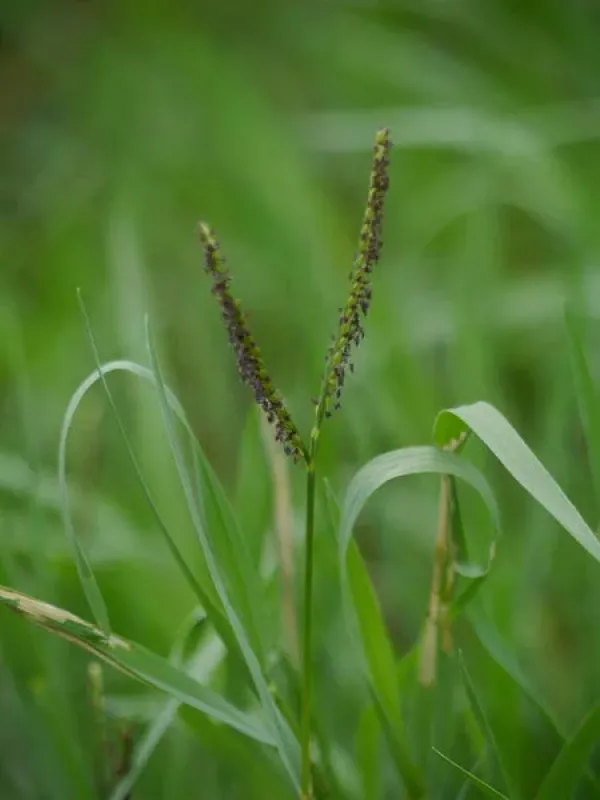
Description
Sowing dates
Paspalum fasciculatum is a perennial species belonging to the Poaceae (grass) family. Originating from tropical regions, this plant is characterized by its robust rhizomatous growth, which allows it to thrive in diverse moist environments across its native range.
Propagation is primarily achieved through the planting of rhizome segments or seeds during the onset of the rainy season. Ideal sowing conditions require soil temperatures exceeding 20°C and high moisture availability to ensure rapid establishment of the root system.
Growing requirements
This grass is highly hygrophilous, meaning it prefers wet, waterlogged soils, often dominating riverbanks and poorly drained floodplains. It is specifically adapted to tropical climates and requires high solar radiation and consistently warm temperatures to reach its full growth potential.
Regarding soil, Paspalum fasciculatum performs best in fertile, heavy-textured soils that retain moisture well. It is sensitive to prolonged dry spells and cold temperatures, which can severely limit its productivity or lead to plant mortality in non-equatorial zones.
Yield
The primary economic use of this species is as a forage crop for livestock. It produces a substantial amount of green biomass that is relatively palatable when grazed or harvested in the early stages of growth before the stems become overly fibrous and lignified.
High yields are achievable under intensive management, provided there is adequate fertilization and appropriate grazing rotation. Farmers often rely on this grass to provide consistent feed in lowland areas where other, less moisture-tolerant species would struggle to survive.
Main diseases and pests
The crop is susceptible to various fungal diseases, particularly those thriving in high humidity, such as rusts and smuts. These pathogens can significantly reduce the nutritional value and biomass volume of the pasture if not managed through proper field spacing and drainage.
Pests, including various stem-boring insects and root-feeding larvae, pose a threat to the plant's vigor. Integrated pest management strategies, focusing on soil health and the selection of vigorous genetic varieties, are essential to maintaining healthy and productive grass stands.
Harvesting
Harvesting is typically carried out via mechanical mowing or controlled grazing. The timing is crucial; harvesting before the full development of inflorescences ensures that the nutritional quality remains at its peak, providing essential protein and energy for cattle.
- Maintain a minimum stubble height of 10–15 cm to promote rapid regrowth.
- Schedule harvests to avoid lignification of the stems.
- Implement soil fertility management to sustain long-term yield.