
Paspalum atratum
Paspalum atratum Swallen
Description
Sowing dates
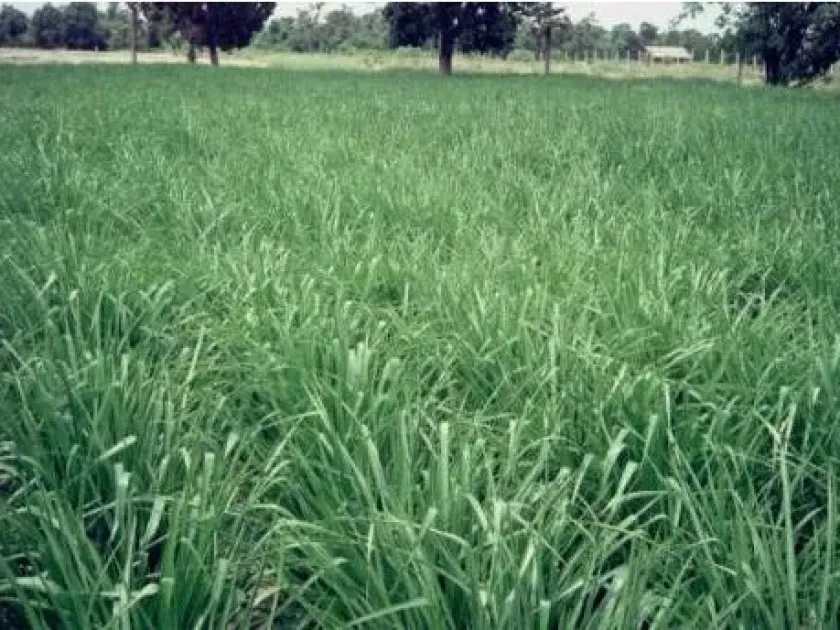
Paspalum atratum is a robust perennial grass species belonging to the Poaceae family. It is native to the tropical regions of South America, specifically Brazil and Paraguay, where it is adapted to thrive in moist savanna environments. It has been widely introduced to other tropical areas as a key component for sustainable pasture management.
The sowing season typically begins at the onset of the rainy season to ensure sufficient moisture for germination. Soil temperatures should remain between 20°C and 25°C for optimal establishment. Proper seedbed preparation, including moderate compaction to ensure seed-to-soil contact, is critical for successful cultivation.
Growing requirements
This species is highly valued for its tolerance to waterlogged conditions, allowing it to grow in low-lying areas where other grasses would fail. It is well-adapted to acidic, low-fertility soils and does not require extensive soil amendments to provide a significant amount of biomass in tropical conditions.
Agricultural practices for Paspalum atratum involve routine nitrogen fertilization to maximize foliage yield. The grass thrives in full sunlight, which promotes rapid tillering and deep root development, further enhancing its ability to compete with weeds and recover quickly after grazing or harvesting events.
Yield
The primary use of Paspalum atratum is for high-density grazing systems and hay production. Due to its nutritional value and palatability, it serves as a staple fodder for cattle. Its ability to grow rapidly during the warm season allows for multiple harvests, ensuring consistent forage availability for livestock.
Main diseases and pests
While generally hardy, the crop can be susceptible to fungal leaf diseases under conditions of high humidity and poor air circulation. Managing the stand density and ensuring proper drainage within the field are essential cultural practices to mitigate the risk of pathogen outbreaks in the grass canopy.
- Monitor for armyworms and spittlebugs during the growing season.
- Implement integrated pest management to control outbreaks.
- Avoid overgrazing to maintain healthy root systems.
- Rotate grazing areas to prevent soil compaction and pathogen buildup.
Pests such as grass-feeding insects can cause localized damage, particularly during periods of environmental stress. Maintaining a balanced nutrient level in the soil helps the plants recover more effectively from pest-induced damage and preserves the overall longevity of the pasture stand.
Harvesting
Harvesting for hay is most effective when the grass is in the early flowering stage. Cutting at this time ensures a balance between high dry matter yield and superior nutritional quality, as the stems have not yet become overly lignified, making it easier for livestock to digest.