
Paspalum nicorae
Paspalum nicorae Parodi
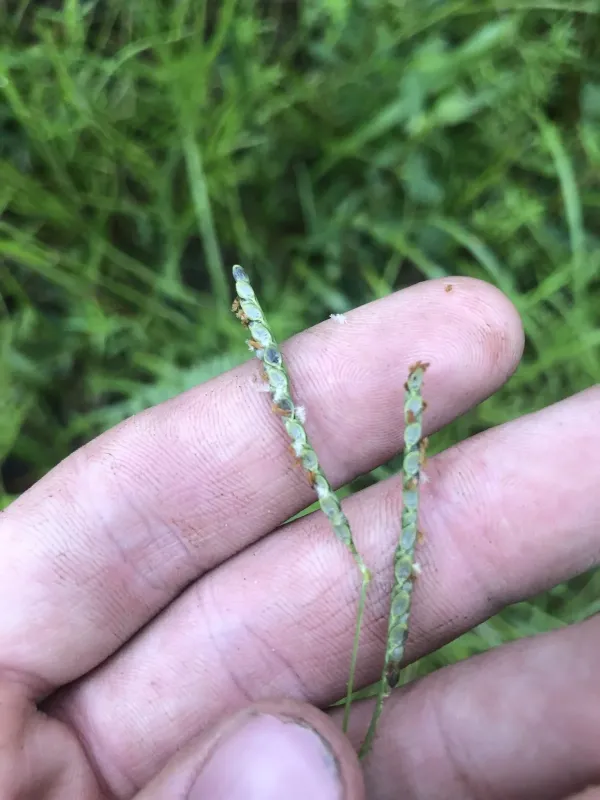
Description
Sowing dates
The sowing of Paspalum nicorae is primarily conducted during the spring season, when soil temperatures rise to levels that ensure stable seed germination. In warmer climates, summer sowing is also possible, provided there is adequate soil moisture to support the rooting of young plants.
To ensure the successful establishment of a dense sward, it is recommended to use high-quality seed with excellent germination vigor. The depth of sowing must be kept minimal, as the seeds of this species are small and highly sensitive to deep burial within the soil profile.
Sowing can be performed as a mono-culture or within multi-species mixtures involving other grasses or legumes. It is crucial to adhere to recommended seeding rates to prevent stand thinning and the subsequent invasion of opportunistic weeds in the pasture.
Post-sowing, rolling the field is advised to improve the contact between the seed and the soil, which is essential for uniform germination. During the initial weeks of growth, the crop develops slowly and requires careful monitoring of the seedlings during the early establishment phase.
As the root system develops, Paspalum nicorae becomes more competitive against weeds, simplifying maintenance in subsequent years. Optimal sowing dates are determined by local climatic conditions and regional planting guidelines.
Growing requirements
Paspalum nicorae is a perennial grass belonging to the Poaceae family, valued for its high adaptability to various soil and climatic conditions. The crop displays excellent drought tolerance and can survive periods of moderate soil moisture deficit effectively.
While the plant prefers well-drained soils, it demonstrates significant resilience in heavier soils with moderate moisture retention. The highest growth performance is observed in fertile loams, where the crop fully realizes its biomass potential.
The optimal temperature regime for this species corresponds to subtropical and warm-temperate climates. A long growing season allows for multiple harvests or continuous utilization of the grass as a high-quality pasture.
The crop is distinguished by its active vegetative propagation through the development of robust rhizomes. This structural trait allows the plant to effectively stabilize soil against erosion and recover rapidly after intensive livestock grazing.
Mineral nutrition requirements involve the timely application of nitrogen fertilizers, which stimulate the growth of green biomass. Agronomic management also includes pH monitoring, as the plant prefers neutral to slightly acidic soil conditions.
Yield
The green biomass yield of Paspalum nicorae depends heavily on the intensity of fertilizer application and the frequency of pasture utilization. As a forage crop, it is characterized by high protein content and good palatability for livestock.
Under intensive grazing, Paspalum nicorae is capable of withstanding heavy traffic, providing a consistent supply of nutrients per hectare. Its productivity remains high even during summer heat, when many other forage grasses experience growth stagnation.
Regular fertilization enables the maintenance of high productivity for several years of exploitation. Yield output is also dependent on the density of the sward, which is established during the initial years after planting.
The correct grazing regime is of particular importance to prevent overgrowth and the loss of nutritional value. Under favorable conditions, the grass forms a thick carpet that effectively suppresses the development of undesirable weed species.
The economic viability of cultivating this crop is well-justified in regions experiencing a shortage of high-quality perennial pasture grasses. Modern agronomic practices ensure predictable annual yields of high-quality forage resources.
Main diseases and pests
Like many other grass species, Paspalum nicorae is susceptible to specific pathogens that may decrease overall sward productivity. In regions with high humidity, fungal leaf spots may occur, affecting the health of the foliage.
Pests such as meadow moths or various types of beetles may damage crops during years of population outbreaks. Monitoring the phytosanitary condition of fields is a mandatory step in an integrated plant protection program.
To prevent the spread of diseases, it is recommended to maintain spatial isolation and perform timely mowing or grazing of overgrown biomass. A high level of agronomic care reduces the probability of disease infection in the stand.
Chemical control measures are justified only in extreme cases when the economic threshold of damage is exceeded. Preference should be given to agronomic control methods, including the optimization of grazing schedules.
Improper grazing management can also be considered a threat factor, as excessive pressure on the sward leads to plant weakening and subsequent displacement by more aggressive or invasive weed species.