
Seashore paspalum
Paspalum vaginatum Sw.
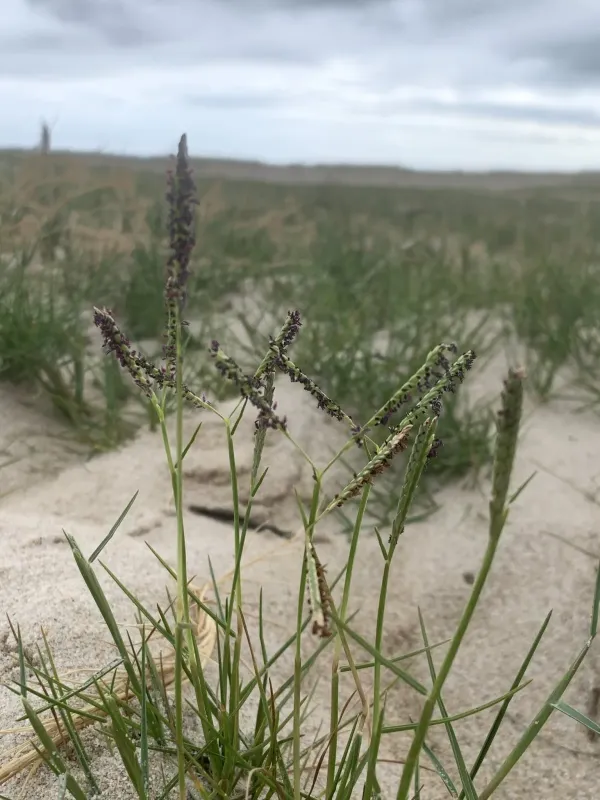
Description
Sowing dates
Seashore paspalum is typically established vegetatively, using sprigs or sod, as seed germination is often inconsistent. The best time for planting is during the active growing season, which generally starts in late spring as soil temperatures rise.
Soil preparation is essential; the surface should be tilled and cleared of debris to ensure optimal contact for vegetative material. Sprigs should be pressed firmly into the soil to prevent desiccation and promote rapid rooting.
Consistent moisture is critical immediately following planting, as the grass needs a stable environment to establish its rhizome and stolon network. Once the grass is established, the irrigation schedule can be adjusted based on local weather conditions.
Fertilization at the time of planting helps speed up coverage, especially in nitrogen-deficient soils. Many agronomists recommend using slow-release fertilizers to provide a steady supply of nutrients during the initial growth phase.
Regular mowing once the turf has knit together will encourage lateral growth and density. Maintaining the correct mowing height is vital to keep the lawn healthy and prevent the grass from becoming stemmy.
Growing requirements
Belonging to the Poaceae family, Seashore paspalum is renowned for its exceptional tolerance to high salinity levels. This biological trait makes it an ideal choice for coastal environments where salt spray or saline irrigation water is present.
This grass thrives in full sun and performs poorly in shaded areas, where it thins out and becomes susceptible to various stressors. It prefers well-drained soil but is surprisingly resilient to waterlogged conditions, making it adaptable to varied terrain.
While it is highly salt-tolerant, it still requires proper nutrient management to maintain its vibrant green color and density. Regular monitoring of soil pH levels is recommended to ensure optimal uptake of essential micronutrients.
The growth rate of Paspalum vaginatum is very high under tropical and subtropical conditions, allowing for quick recovery from wear and tear. It is widely used on golf course fairways, tees, and greens due to its fine texture and durability.
In cooler temperate climates, the grass may enter dormancy during winter months and turn brown. However, it typically recovers quickly as soon as temperatures rise, provided the root system remains healthy.
Main diseases and pests
Disease pressure, particularly fungal issues like Dollar Spot or Rhizoctonia blight, can be high in humid conditions. Good air circulation and proper irrigation scheduling are the most effective ways to minimize the risk of infection.
Common pests such as cutworms, webworms, and mole crickets can cause significant damage to the turf. An integrated pest management approach, including biological controls and targeted pesticide application, is recommended.
Excessive thatch accumulation can harbor both pests and pathogens, making annual vertical mowing or aeration a necessary maintenance practice. This improves oxygen flow to the roots and helps maintain a healthy surface.
Improper mowing practices, such as removing too much leaf tissue at once, can stress the grass and reduce its recovery ability. Always follow the one-third rule for mowing to minimize impact on the plant's health.
Routine scouting for early symptoms of disease or pest outbreaks allows for quick intervention, preventing large-scale turf loss. Keeping tools clean prevents cross-contamination between different areas of the lawn.